

Reviewed · FOOD & DRINK
N1 Coffee Tasting Experience in Buenos Aires
The most useful part of this Buenos Aires coffee experience is not simply drinking several excellent cups. It is learning why they taste different, then figuring out which flavors suit you. Lyubov guides you through coffee growing, processing, roasting, brewing, and tasting in a small private setting.
I like the hands-on aroma game with the Le Nez du Café kit, and I like that you leave able to read a coffee bag without getting lost in fancy tasting notes. The main consideration is the price: at $85 per person, this is costly for a coffee outing, though the private format and roughly two-and-a-half-hour lesson make it closer to a personal class than a quick tasting.
Key points at a glance
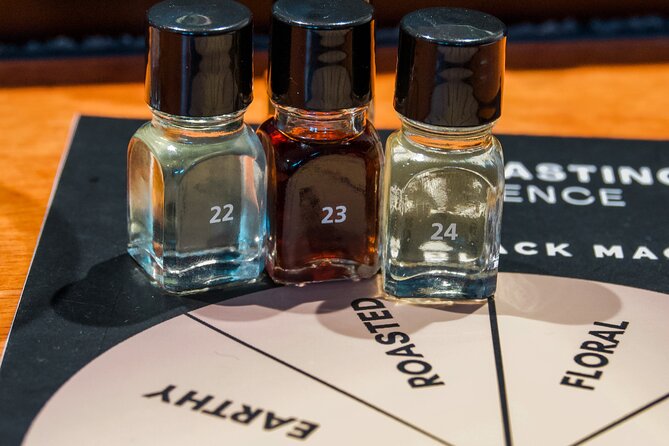
- Smell before you sip: Use the Le Nez du Café sommelier kit to train your nose with distinct aromas.
- Compare single-origin coffees: Taste freshly roasted beans from specialty roasters in Buenos Aires and notice how origin and roasting affect the cup.
- Learn from Lyubov: Her teaching links coffee production, history, preparation, and flavor in a clear, playful way.
- Private by design: Your group receives the guide’s full attention, with time for questions and personal palate advice.
- Choose your timing: Book a morning or afternoon departure, with the session lasting about 2 hours and 30 minutes.
- Meet in Palermo-area Buenos Aires: The experience begins and ends at Al Diablo Coffee Roasters, Costa Rica 4752.
Why this is more than a fancy cup of coffee
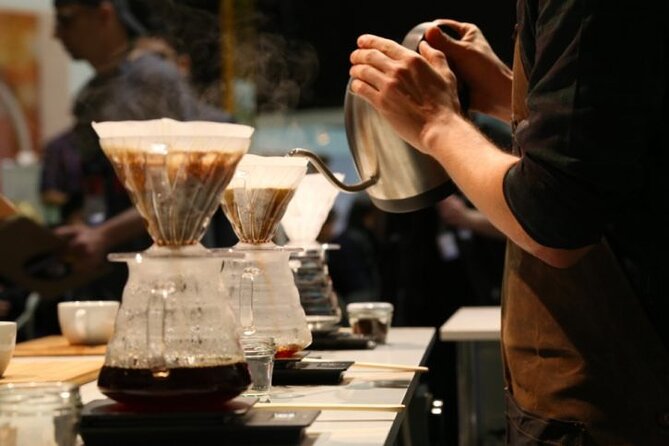
Buenos Aires is famous for its café culture, but ordering a cortado at a traditional café does not necessarily teach you much about the bean. This experience takes a different route. You sit down to examine coffee as an agricultural product, a roasted ingredient, and a sensory puzzle.
Lyubov, also referred to as Lyubi or Luba in personal accounts, leads the session. Her role is part teacher, part host, and part coffee detective. She explains the route from planted seed through harvesting and roasting, then ties those ideas to what you smell and taste in front of you.
That connection is what gives the session value. Instead of hearing a lecture about acidity, sweetness, or aroma and then moving on, you get to test those ideas with actual coffee. A fruity note is not just a word on a bag. You try to find it in the cup.
You do not need to be a coffee expert. In fact, the format works especially well if you know only that you like coffee but have no idea how to describe it. At the same time, experienced drinkers can ask more technical questions and compare their own habits with Lyubov’s guidance.
The tone appears to be relaxed rather than stiff. You can ask questions, handle beans, smell different aromas, and take part in games that make the information easier to remember. That matters because coffee terminology can become dry very quickly.
More Food Tours in Buenos Aires
- Buenos Aires: 9-Course Argentine Meat Tasting at Fogón Asado
★ 4.9 · 826 reviews - Buenos Aires: Local Foodie Adventure with Sherpa Food Tours
★ 4.9 · 670 reviews - Buenos Aires: Wine Tasting and Lunch at Bodega Gamboa
★ 4.8 · 177 reviews
Starting at Al Diablo Coffee Roasters
The meeting point is Al Diablo Coffee Roasters at Costa Rica 4752 in Buenos Aires. The activity ends at the same place, so you do not need to arrange a separate return transfer or learn a second meeting point.
The location is near public transportation. The supplied details do not specify a particular subway station, bus route, or walking time, so check your route before departure rather than assuming the address will be instantly familiar.
Once the session begins, expect the coffee shop setting to function as a classroom and tasting room. This is not a walking tour through several cafés. You stay focused on the coffee in front of you, with the roaster setting helping connect the lesson to real specialty coffee.
Morning and afternoon departures are available. I would choose based on your Buenos Aires plans, not on a claim that one time is better. A morning session can fit neatly before lunch, while an afternoon booking may work after a museum or neighborhood visit. Either way, avoid scheduling something tightly afterward. The stated duration is about 2 hours and 30 minutes, and some sessions have lasted closer to three hours.
The aroma game with Le Nez du Café
One of the most unusual parts is the sensory work with Le Nez du Café, a sommelier aroma kit. You smell separate scents and try to identify them, often with the help of clues and discussion.
This may sound simple, but it tackles one of the hardest parts of coffee tasting: people often sense an aroma without knowing how to name it. The kit gives you a reference point. You begin to build a mental vocabulary that can later help you understand labels and tasting notes.
Do not worry if you cannot identify every scent. The point is not to pass a professional exam. It is to notice how your sense of smell affects your sense of taste. Lyubov uses the activity as a game, which keeps the exercise from feeling like a test.
This is also a good reason to avoid wearing a heavy fragrance to the session. That suggestion is practical rather than a stated rule: strong perfume or cologne can make delicate aromas harder to notice.
The aroma work can be useful even if you prefer tea or are not a serious coffee drinker. The session asks you to pay attention to smell, texture, and flavor, not simply to consume caffeine.
From coffee seed to roasted bean
Lyubov explains the production chain from the planted seed to the finished cup. You learn that coffee flavor begins well before roasting, then changes through harvesting, processing, roasting, grinding, and preparation.
The value here is context. A coffee bag may mention an origin, process, roast level, and tasting notes, but those terms can seem like marketing until you understand what they point to. The class helps separate useful information from words that simply sound impressive.
You also examine coffee beans and learn how to think about them before brewing. The session connects the physical bean to the final taste, giving you a better reason to compare coffees instead of treating all dark or light beans as roughly the same.
The discussion includes coffee history and the wider world of specialty coffee. The information is not presented as an isolated list of facts. Lyubov links the background to the coffees you taste, which makes it easier to remember.
I especially like this structure for someone who buys beans at home but tends to choose by package design or price alone. After the session, you should have a better idea of what to look for and what questions to ask at a roaster.
Same city, a completely different kind of day:
- Buenos Aires Hop-On Hop-Off Bus, Free Walking Tours & Discounts
★ 4.5 · 2,218 reviews - Buenos Aires: Piazzolla Tango Show with Optional Dinner
★ 4.4 · 2,122 reviews - Buenos Aires: City Highlights Guided Tour with Transfer
★ 4.7 · 1,946 reviews - Buenos Aires: Hop-On Hop-Off City Bus Tour
★ 4.2 · 1,855 reviews
Tasting several single-origin coffees
The central tasting compares freshly roasted single-origin coffees, including selections from top roasters in Buenos Aires. The exact lineup can vary, so you should not book expecting named countries or fixed beans unless the operator confirms them.
Several personal accounts describe tasting four different coffees. That is enough variety to make comparisons meaningful without turning the session into a caffeine marathon. You may notice differences in aroma, body, acidity, sweetness, roast character, and finish.
The key is the comparison. One coffee on its own may taste simply good. Two or four side by side give you something to measure. You may discover that a coffee described as fruity feels bright and lively, while another seems heavier, smoother, or more chocolate-like.
Lyubov helps you connect the flavor in the cup to the coffee’s origin and production choices. You are not expected to guess everything immediately. The aim is to develop your own palate and learn which descriptions actually help you.
This can change how you drink coffee at home. Several people who took the session used what they learned to change their brewing method or bean selection. That is a stronger payoff than a pleasant afternoon, because the lesson continues each morning after your visit.
Still, keep your expectations realistic. A tasting class will not turn you into a professional coffee grader in one sitting. It can give you a solid foundation and more confidence, but your palate improves through repeated tasting.
Reading a coffee bag without confusion
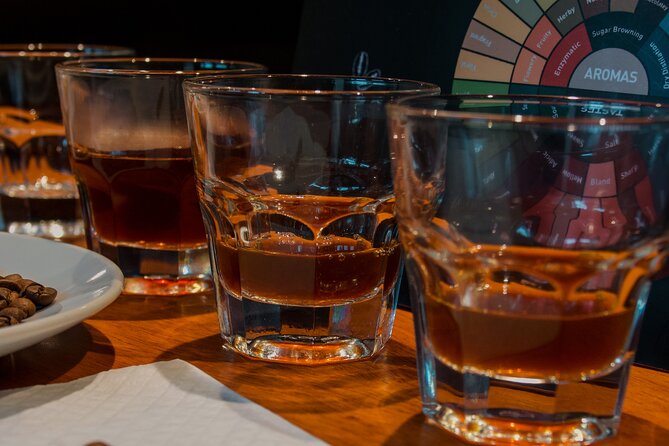
Many coffee bags use terms such as single origin, roast level, process, altitude, and tasting notes. If those labels have ever seemed like a wall of specialty-coffee jargon, this is one of the most practical parts of the experience.
Lyubov explains how to read the information clearly and how it relates to the coffee in your cup. You learn to look beyond vague promises and focus on details that can guide your choice.
That does not mean every label gives a complete answer. Brewing equipment, water, freshness, and personal taste still matter. The useful change is that you can make a more informed choice instead of buying at random.
You also learn to describe what you like. Perhaps you prefer a lighter, brighter cup, or perhaps you want something fuller and more familiar. The goal is not to force you toward one style. It is to help you identify your own preference.
The private format and teaching style
This is a private activity, so only your group participates. That makes a real difference during a sensory lesson. You can ask basic questions without feeling behind, or spend more time on technical points if you already know the basics.
A private format also lets Lyubov adjust the pace. One person may want more help identifying aromas, while another may care most about roasting or brewing. The information provided does not promise a custom menu for every group, but the one-to-one or small-group setup gives room for conversation.
The teaching style is a major part of the appeal. Lyubov is described as warm, patient, engaging, and passionate, with a personal coffee journey that adds character to the session. Her stories help keep the class human rather than turning it into a string of definitions.
I would not choose this experience if you want a fast stop where you drink one memorable espresso and move on. The point is participation. You smell, touch, compare, taste, and talk.
Is $85 a fair price?
At $85 per person, this costs more than an ordinary coffee crawl or café visit. You are paying for several specialty coffees, a private guide, a sensory workshop, and a long session rather than for the drinks alone.
The value depends on how much you want to learn. If you only want to sample local coffee, the price may feel steep. Buenos Aires offers many cheaper ways to drink excellent coffee.
If you regularly buy beans, brew at home, or want a focused food-and-drink activity, the calculation looks better. You gain practical skills in choosing beans, reading labels, identifying aromas, and judging your own preferences. Those skills can influence many future purchases.
The private format is also important. A group class at a lower price may offer less personal attention and fewer chances to ask questions. Here, your $85 buys time with a guide who can respond to your palate rather than simply deliver a standard talk.
The experience is often booked about 38 days ahead. That suggests planning early, especially if you need a particular morning or afternoon. I would not leave it until the last day of a Buenos Aires visit.
Who should book this coffee experience?
You should consider it if you fall into one of these groups:
- You drink coffee every day but cannot explain what you like.
- You buy specialty beans and want to make smarter choices.
- You enjoy food and drink experiences with an educational side.
- You are traveling alone and want a private, conversational activity.
- You are a couple or small group looking for something beyond the usual city sights.
- You are curious about coffee but do not want a formal professional course.
It also suits people who think they already know coffee. Comparing several beans and working with an aroma kit can expose gaps in your vocabulary and habits.
The less suitable visitor is someone who dislikes long tastings, caffeine, or guided instruction. This is not a quick photo stop, and the two-and-a-half-hour schedule requires attention.
You may also want to plan your caffeine intake around it. The session includes several coffees, so it is sensible not to arrive after consuming a large amount of coffee already. The supplied details do not state whether decaffeinated alternatives are available, so ask ahead if that matters to you.
Booking, timing, and cancellation details
You can choose a morning or afternoon departure. Confirmation is provided at booking, and the activity is near public transportation.
The meeting point and ending point are both Al Diablo Coffee Roasters, Costa Rica 4752, C1414 Buenos Aires. Since the activity returns to its starting point, it is easy to pair with nearby plans, though you should allow the full stated duration.
Free cancellation is available when you cancel at least 24 hours before the local start time. Cancellations or changes made inside that window are not refunded or accepted.
Should you book the N1 Coffee Tasting Experience?
I would book it if coffee is part of how you enjoy a city, not just something you drink to wake up. The aroma kit, side-by-side single-origin tasting, and practical lesson on labels give this experience a clear purpose.
The strongest reason to go is Lyubov’s personal teaching. She connects the technical side of coffee with stories, games, and direct tasting, so the session does not feel like a dry lecture. The main reason to hesitate is the $85 cost, especially if you want only a few good cups.
For a coffee lover, home brewer, curious beginner, or small group seeking a different Buenos Aires activity, the price can make sense. You leave with more than a caffeine boost: you have a better way to choose, smell, taste, and enjoy the next cup.
FAQ
Where does the coffee tasting take place?
It starts at Al Diablo Coffee Roasters, Costa Rica 4752, C1414 Cdad. Autónoma de Buenos Aires, Argentina.
Where does the activity end?
The activity ends back at the meeting point at Al Diablo Coffee Roasters.
How long does the experience last?
The stated duration is approximately 2 hours and 30 minutes. Some sessions have lasted about three hours.
How much does it cost?
The price is $85 per person.
Is the activity private?
Yes. Only your group participates, so the guide gives your group her full attention.
Who leads the experience?
Lyubov leads the session. She is also referred to as Lyubi or Luba in personal accounts about the experience.
Can I choose the departure time?
Yes. Morning and afternoon departure options are available.
What will I taste and learn?
You will taste a variety of freshly roasted single-origin coffees, use a Le Nez du Café aroma kit, and learn about coffee production from seed through roasting and preparation. You will also learn how to read coffee bag descriptions and identify your palate preferences.
Can I cancel for a full refund?
Yes, if you cancel at least 24 hours before the experience’s local start time. Cancellations or changes made less than 24 hours before the start are not refunded or accepted.
Just added around Buenos Aires
- Tango Show at El Querandi with optional Dinner★ 4.2 · 3 reviews
- Wine Tasting in Buenos Aires★ 4.2 · 4 reviews
- Walking Tour: Buenos Aires bookstores★ 4.3 · 12 reviews
- Velez Sarsfield Football Match★ 5.0 · 3 reviews
- Unique Tigre and Delta Private Day Cruise Navegation★ 5.0 · 3 reviews
- Private Underground Tango Immersion★ 5.0 · 31 reviews
- Sailing with Wine Tasting in Buenos Aires★ 5.0 · 50 reviews
- Experience The Essence of Buenos Aires in San Telmo★ 5.0 · 51 reviews
Food & Drink, compared.



Buenos Aires Food Tour: Local Dishes, Steak, Empanada & More
Read our review →
Full-day Cafayate, Lerma Valley, and Wine Tasting from Salta
Read our review →Browse the lists this tour appears in