

Reviewed · TIGRE DELTA TOURS
From Buenos Aires: Classic Tigre Delta Tour
The Tigre Delta gives you a quick look at a very different Argentina. About a short drive north of Buenos Aires, the city thins out into waterways lined with homes, churches, schools, docks, and weekend houses. The boat ride is the main event: calm, scenic, and a good way to see how island residents organize daily life around rivers instead of roads.
I like the contrast between the delta and central Buenos Aires, and I like that the tour adds Fruit Port and Tigre’s riverfront rather than making the cruise your only stop. The guides are often a real strength. Lucia, Sophie, Victoria, Camila, and Juliette have all been singled out for clear, friendly explanations, though English is not guaranteed and the boat commentary is in Spanish.
The main drawback is that this is a tightly timed group outing. Traffic can cut into sightseeing, the vehicle may feel cramped, and the guide does not accompany you on the boat. If you want a longer cruise or plenty of time in Tigre, arrange your own visit or choose an upgraded boat option if available.
Key points to know before booking
- The one-hour cruise shows working island life: Look for riverbank homes, schools, churches, boats, and the practical ways people live in the delta.
- The tour is about five hours door to door: That makes it easy to fit into a Buenos Aires itinerary, but stops can feel brief.
- Fruit Port is more local bazaar than polished market: You may find household goods, crafts, and souvenirs, but do not expect a grand food hall.
- Spanish is the operating language: The land tour has a Spanish-speaking guide, and the boat uses a Spanish audio guide.
- Traffic matters: Pickup delays have shortened the tour for some people, so keep your schedule flexible afterward.
- The $45 price buys convenience: Hotel transfer, a guided land route, and the cruise are bundled together, though independent visitors may spend less.
Why the Tigre Delta feels unlike Buenos Aires
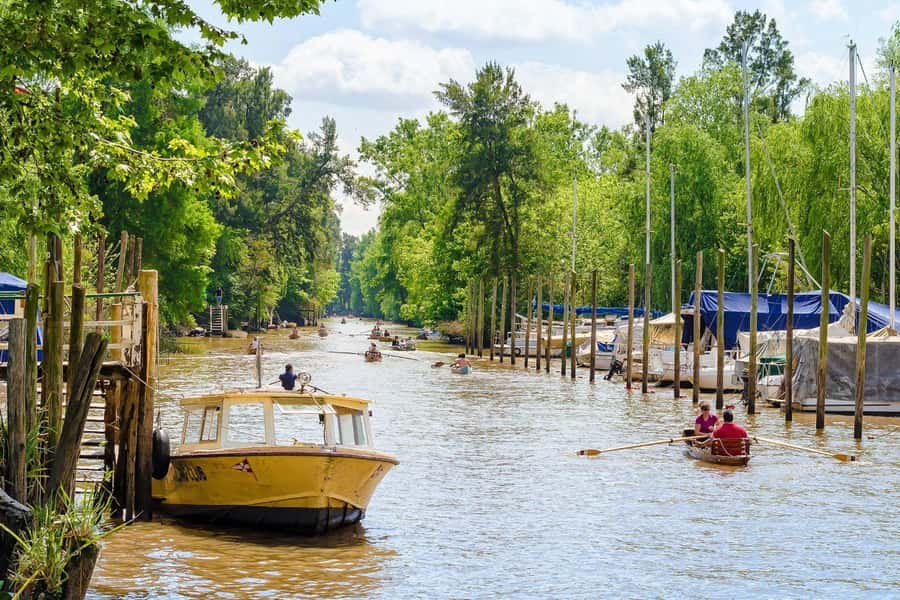
The delta is not a wilderness cruise in the usual sense. It is a lived-in river district, shaped by water, small islands, and regular boat traffic. As you move along the waterways, you see houses set close to the river, places of worship, schools, and signs of a community that relies on boats for ordinary errands.
That is what makes the trip worthwhile. You are not simply looking at scenery. You are seeing a local way of life that is hard to understand from the streets of Buenos Aires. Groceries, school runs, deliveries, and social visits all have a different rhythm when the river is your road.
The setting is green and peaceful, but expectations matter. The delta is populated, and some sections can feel more like a suburban waterfront than untouched nature. One review found the area less wild than expected and noted little wildlife. I would choose this trip for its human story and gentle river views, not for birdwatching or a remote wilderness experience.
More Tigre delta trips from Buenos Aires:
- Tigre: River Delta Panoramic Boat Tour
★ 4.4 · 294 reviews - Buenos Aires: Puerto Madero to Tigre Round Trip Cruise
★ 4.4 · 190 reviews - Half Day Tour to the Tigre Delta with Navigation
★ 4.0 · 150 reviews
Leaving Buenos Aires by road
The tour begins with round-trip hotel transportation, though pickup has important limits. Hostels, aparthotels, and private homes are not included, and some hotels in Palermo and other parts of the city may fall outside the pickup route. In that case, you receive a meeting point instead.
The drive north usually takes around 30 to 40 minutes in normal conditions, according to one detailed account, but Buenos Aires traffic can change that quickly. A late vehicle has shortened the sightseeing time on some departures. I would avoid scheduling a flight, show, or prepaid lunch immediately after the five-hour tour.
The road transfer is not dead time. Guides often explain the northern suburbs and the areas you pass through. Some have also provided commentary in more than one language. David, for example, described a multilingual guide who kept an English-speaking passenger included in a group made up mainly of Spanish and Portuguese speakers.
The vehicle itself can vary in comfort. One departure used a large, comfortable bus, while another had a smaller bus that was not full. Other reports describe a cramped vehicle. If you are tall, prone to claustrophobia, or traveling with a stroller, tell the operator in advance and confirm the pickup arrangements. One guide saved a front seat for a passenger with claustrophobia, which shows that small requests may be handled well when raised early.
The boat ride through the delta
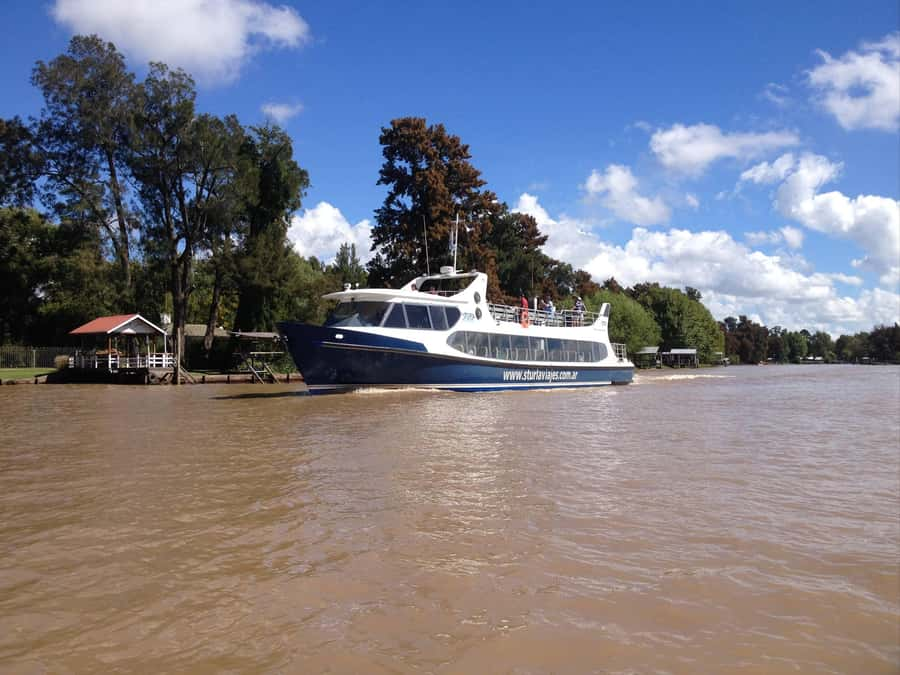
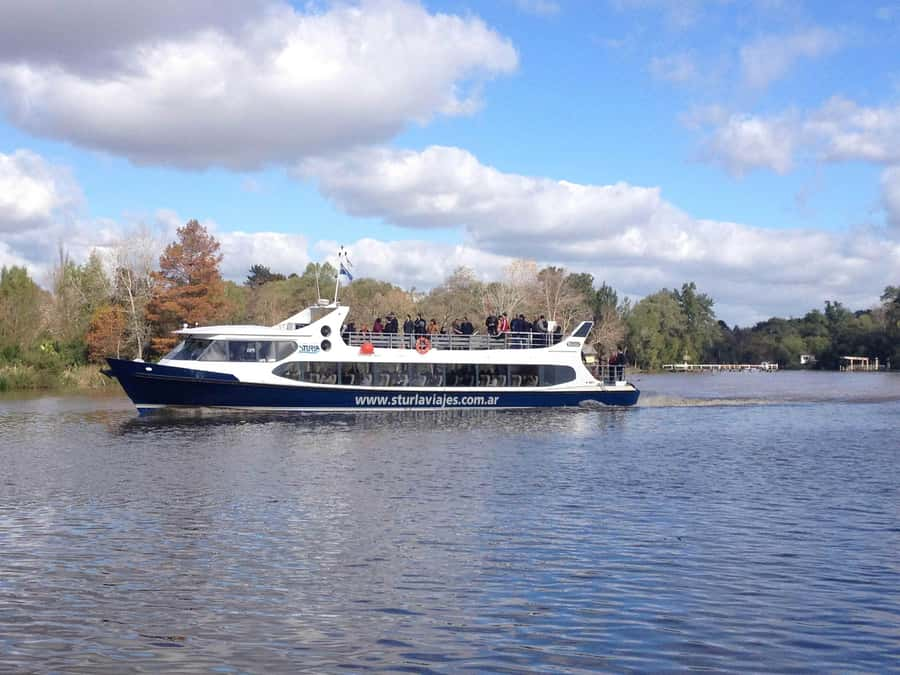
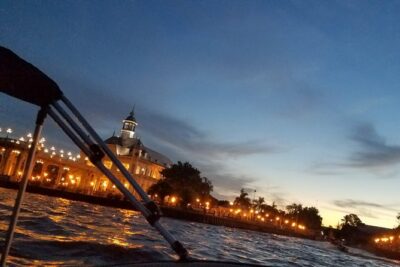
The cruise lasts about an hour on the standard version. You travel along different rivers and get wide views of the waterways, islands, and buildings along the banks. The boat is the part of the outing that receives the strongest praise, and it is easy to see why: the pace is slow, the scenery is restful, and the view keeps changing without demanding much effort from you.
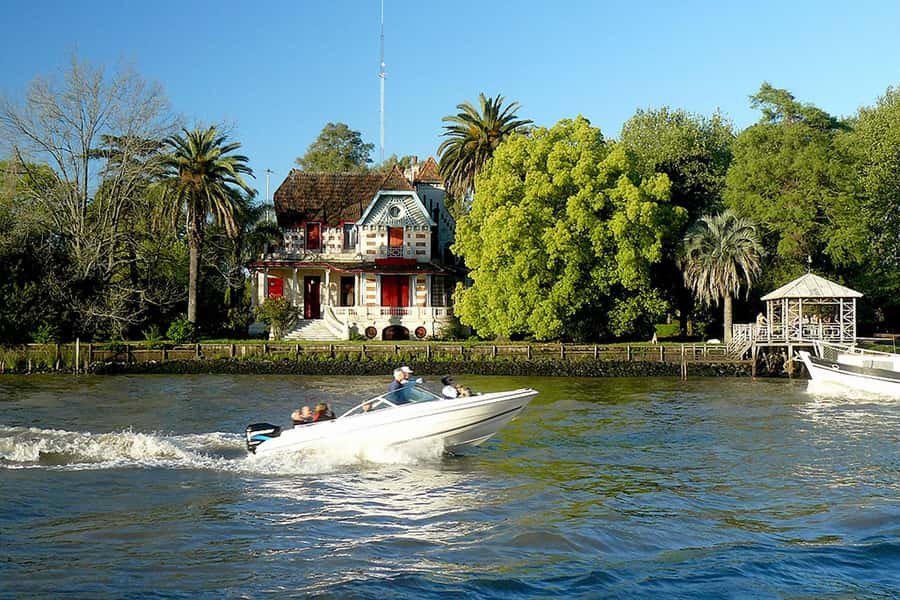
Keep your eyes on the banks. The most interesting details are often small: a home facing the water, a dock, a church, a school, or a boat serving as practical transport. This is where the tour gives you something more useful than a generic sightseeing cruise. You see how the river shapes architecture and daily routines.
The boat uses a Spanish audio guide, not a live guide. That distinction matters. Your land guide may explain the delta before or after the cruise, but you should not expect the guide to sit with you on board. Several people enjoyed the cruise but wished the live commentary had continued during this section. If you understand Spanish, the audio guide should add useful context. If not, much of the information may be difficult to follow.
Boat comfort also depends on the day and vessel. One departure had no working air conditioning, while another passenger suggested choosing a lower seat in strong sun and an upper deck when the weather is mild. Bring water, wear sun protection, and be ready for changing conditions. Food and drinks are not included.
The standard cruise is enough to understand the character of the delta, but some departures offer an upgraded two-hour option. One passenger strongly preferred the longer ride partly because it reduced time in the vehicle. If your main reason for booking is the waterways, check the available option before paying. A longer cruise may provide a better balance than the basic route.
Seeing island life from the water
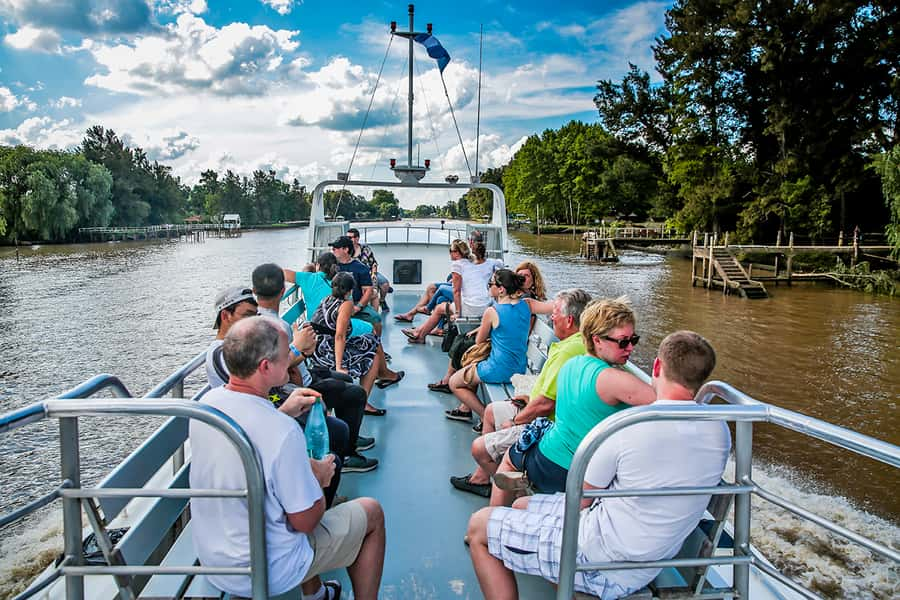
The boat ride is valuable because it avoids turning the delta into a postcard only. You see a place where nature and ordinary life sit side by side. Houses may look like weekend retreats, but the tour also points out schools, churches, and other signs of permanent communities.
The islands are not presented as a museum. You are looking at real homes and real routines from the river. That means some views are attractive and quiet, while others may show crowded development, aging boats, or less polished waterfront areas. I prefer that honesty to a carefully staged cruise.
The audio information also helps you understand why the delta matters. The tour explains the region and its waterways, though the amount of detail can vary by guide and language. If you want a detailed lesson about river ecology, transport, or local government, this may leave you wanting more. If you want a clear introduction to the area, it does the job.
A few more Buenos Aires half-days to weigh up
- Buenos Aires Hop-On Hop-Off Bus, Free Walking Tours & Discounts
★ 4.5 · 2,218 reviews - Buenos Aires: Piazzolla Tango Show with Optional Dinner
★ 4.4 · 2,122 reviews - Buenos Aires: City Highlights Guided Tour with Transfer
★ 4.7 · 1,946 reviews - Buenos Aires: Hop-On Hop-Off City Bus Tour
★ 4.2 · 1,855 reviews
Fruit Port and the town of Tigre
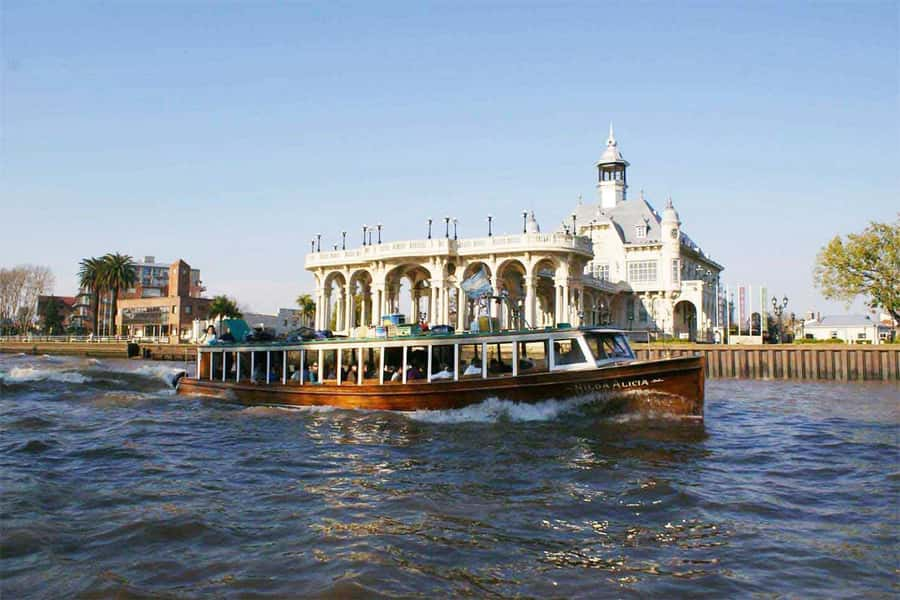
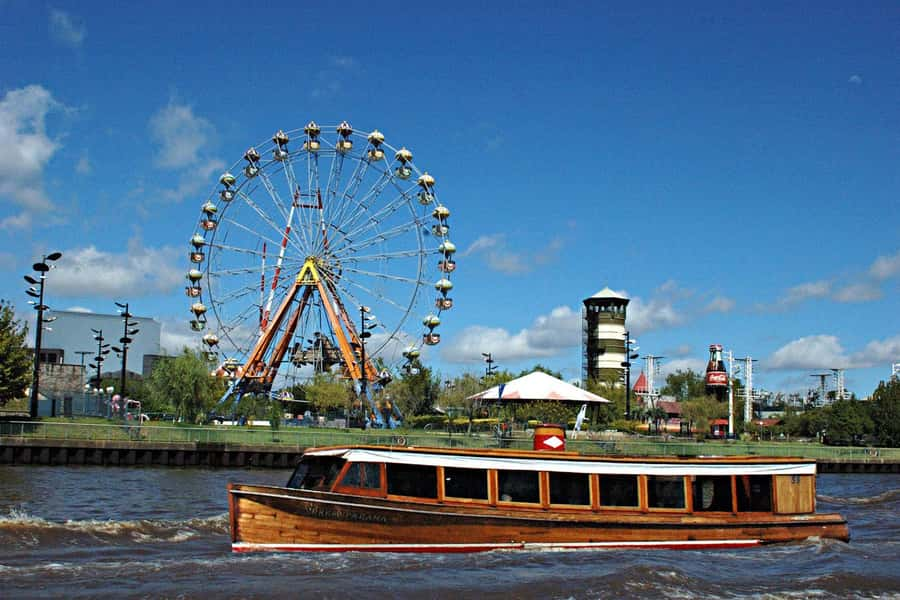
After the cruise, the route returns to the port of Tigre and continues by vehicle. The Fruit Port, or Puerto de Frutos, is a market area where local people shop for household items. It also offers authentic souvenir possibilities, although the name can mislead you. It is not simply a fruit market.
You may find crafts, practical goods, and small items to take home. The usual stop is brief, with one report describing only about 30 minutes. That is enough to walk through and browse, but not enough for a slow shopping session and a full meal. If you spot something you like, do not assume you will have time to return later.
The market can feel more commercial and less atmospheric than the delta itself. That is not a flaw if you enjoy browsing stalls and local goods. If you prefer museums, historic buildings, or long walks, the stop may seem ordinary. It works best as a short look at how Tigre’s commercial side serves both residents and visitors.
The tour also follows Victorica Avenue, a waterfront road along the Luján River. This stretch gives you a different view of Tigre, with river scenery, restaurants, grills, cafés, and ice cream shops. The area is calmer than central Buenos Aires and makes a pleasant transition between the boat ride and the return journey.
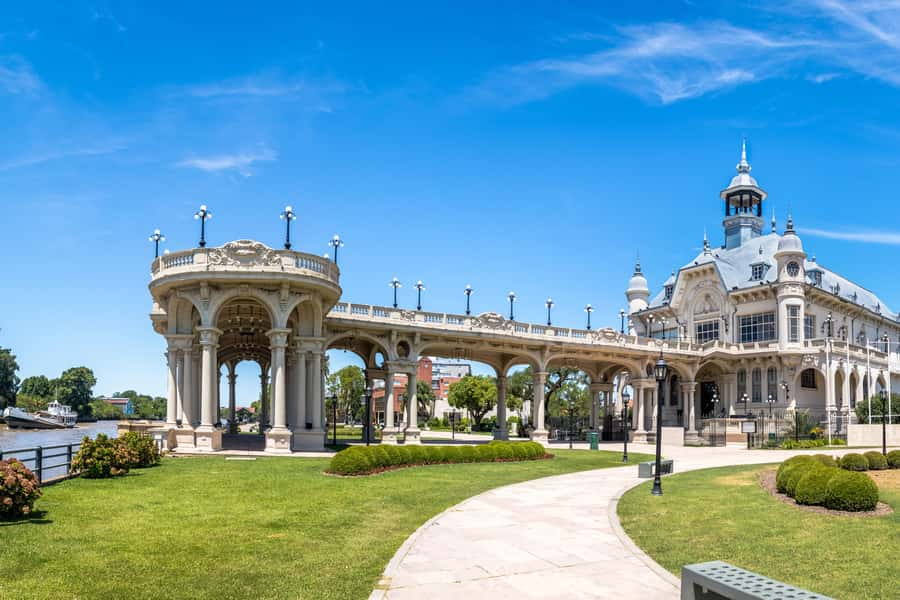
You pass the gardens around the Tigre Deliberative Council and the Tigre Art Museum. The elegant setting along the water adds some architectural interest, though the time available for walking may be limited. Treat these sights as an overview rather than a full museum visit.
What you see on the return to Buenos Aires
The route back includes views of the Monumental de River stadium, University City of Buenos Aires, and the constant movement of aircraft near the metropolitan airport. These are passing sights from the vehicle, not extended stops.
That final stretch is useful if you like seeing how the northern part of the city connects with the suburbs. It is less important if your main goal is Tigre itself. The return can also feel long after the market and cruise, especially if traffic is heavy.
Some earlier versions of the broader route included a short stop in San Isidro, sometimes near its cathedral. That stop has divided opinions. A few people found the cathedral worthwhile, while others thought the shopping stop or presidential residence wall added little. Since the current details focus on Tigre, Fruit Port, and the riverfront, confirm the exact route if San Isidro is important to you.
Guide quality and language
The tour includes a Spanish-speaking guide during the Tigre portion and the road journey, plus a Spanish audio guide during navigation. That is straightforward, but international visitors should not assume a live English guide.
English ability has varied by departure. Juliette, Lucia, Victoria, and other guides have been praised for speaking clear English or several languages. Other passengers found mixed-language explanations harder to follow. If you do not speak Spanish, ask ahead about the language of your departure and confirm how much information will be offered in English.
The guides are most useful on the road and around Tigre, where they can point out landmarks, explain local customs, and help keep the group on schedule. Names that have received especially warm praise include Lucia for her organization and recommendations, Sophie for her helpful approach, Victoria for making a multilingual group feel included, and Camila for explaining each stage clearly.
The guide does not join the boat ride, so your expectations should match the format. You get a live guide for the land portion and recorded information on the water. That arrangement keeps the tour moving, but it limits questions during the most scenic part.
Is $45 good value?
At $45 per person, the tour is priced for convenience rather than the lowest possible cost. You are paying for hotel transfer, organized transport north, a river cruise, a Spanish-speaking land guide, and a planned route through Tigre.
That package can be good value if you have only half a day, do not want to arrange train connections, or prefer having the transport handled for you. It also reduces the risk of missing the port or wasting time working out where to buy a boat ticket.
The value is weaker if you are comfortable traveling independently. Tigre can be reached by train, and you may be able to organize a boat trip directly at the port for less. Independent travel can also give you more time at the market, more control over the cruise length, and the freedom to eat when you want.
Food, drinks, and unspecified services are extra. Plan to carry water and perhaps a snack. Several people wanted more time to eat, and the Fruit Port stop may not provide enough time for a relaxed meal. An option with lunch, if offered for your departure, could make sense if you want a slower day.
Who should book this half-day outing?
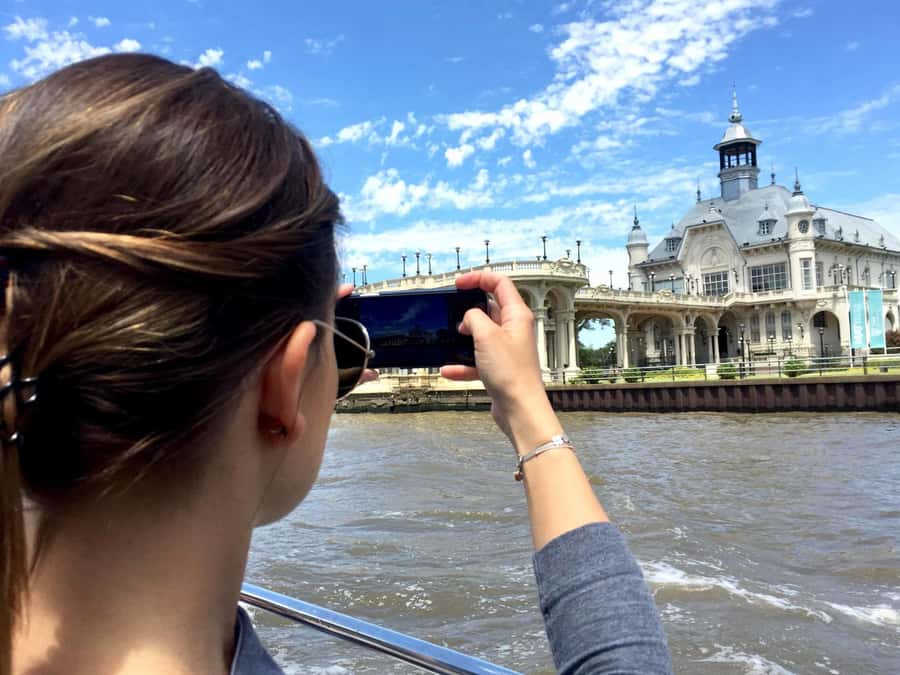
I would recommend it to you if you want a simple escape from Buenos Aires and are interested in everyday life outside the capital. It suits first-time visitors, couples, families, and anyone who prefers a guided route with transport included.
It is also a good choice if the idea of seeing homes, schools, and churches along the water interests you more than visiting another city museum. The tour gives you a clear introduction to Tigre without taking a full day.
I would hesitate if you want untouched nature, abundant wildlife, or a long, quiet cruise. The delta is settled, and some areas are heavily developed. I would also hesitate if you dislike fixed schedules, short market stops, or recorded commentary.
For the best experience, check the pickup point carefully, ask about language, bring water and sun protection, and consider the longer boat option if it is available. Keep the rest of your day open in case Buenos Aires traffic causes delays.
Should you book the Classic Tigre Delta Tour?
Book it if you want an easy, reasonably priced introduction to the delta and value a guide who can handle the transport and local route. The cruise is relaxing, the island communities are genuinely interesting, and Tigre offers a welcome change from city streets.
Skip it and go independently if you want to spend longer at Fruit Port, choose your own boat, or keep the cost as low as possible. For most visitors with limited time, though, the $45 package is a sensible way to see a different side of Buenos Aires without turning the outing into a full-day project.
FAQ
How long does the Classic Tigre Delta Tour last?
The tour lasts about five hours, including transportation from Buenos Aires, the delta cruise, Tigre sightseeing, and the return journey.
Is hotel pickup included?
Round-trip hotel transfers are included, but pickup is not available from hostels, aparthotels, or private homes. Some hotels, including certain properties in Palermo, may not be on the pickup route. A meeting point will be arranged if your hotel is not included.
What language is the tour offered in?
The live guide during the Tigre portion speaks Spanish, and the boat uses an audio guide in Spanish. Some guides have also spoken English or other languages, but English service is not guaranteed.
Is a guide on the boat?
No live guide is included during the navigation. The boat ride uses a Spanish audio guide, while the tour guide accompanies the land portions of the experience.
Are food and drinks included?
No. Food, beverages, and services not specifically listed are excluded. Bring water and consider carrying a snack because the market stop may be brief.
Can I cancel the booking?
You can cancel up to 24 hours before the activity for a full refund. The reserve-now, pay-later option lets you hold a place without paying immediately.
Just added around Buenos Aires
- Tango Show at El Querandi with optional Dinner★ 4.2 · 3 reviews
- Wine Tasting in Buenos Aires★ 4.2 · 4 reviews
- Walking Tour: Buenos Aires bookstores★ 4.3 · 12 reviews
- Velez Sarsfield Football Match★ 5.0 · 3 reviews
- Unique Tigre and Delta Private Day Cruise Navegation★ 5.0 · 3 reviews
- Private Underground Tango Immersion★ 5.0 · 31 reviews
- Sailing with Wine Tasting in Buenos Aires★ 5.0 · 50 reviews
- Experience The Essence of Buenos Aires in San Telmo★ 5.0 · 51 reviews
Tigre Delta Tours, compared.


Half Day Tour to the Tigre Delta with Navigation
Read our review →
Tigre Speedboat – The Delta s Captain – CITYSAILING TIGRE
Read our review →
Browse the lists this tour appears in