

Reviewed · RECOLETA CEMETERY TOURS
Recoleta & Cemetery for curious people
Buenos Aires reveals its biggest story in the gap between polished façades and the people who lived behind them. This 150-minute walk follows that story from Plaza San Martín to Recoleta Cemetery, using mansions, embassies, hotels, and tombs to explain Argentina’s Gilded Age and its later troubles.
I like the tour’s interactive format and its focus on questions, not just dates. I also like that the cemetery is treated as a social record, showing who gained fame and power, who was forgotten, and how Argentina’s ruling class shaped the capital. The main consideration is simple: the cemetery ticket is not included, so you must pay separately if you want to enter.
Key points to know before you book
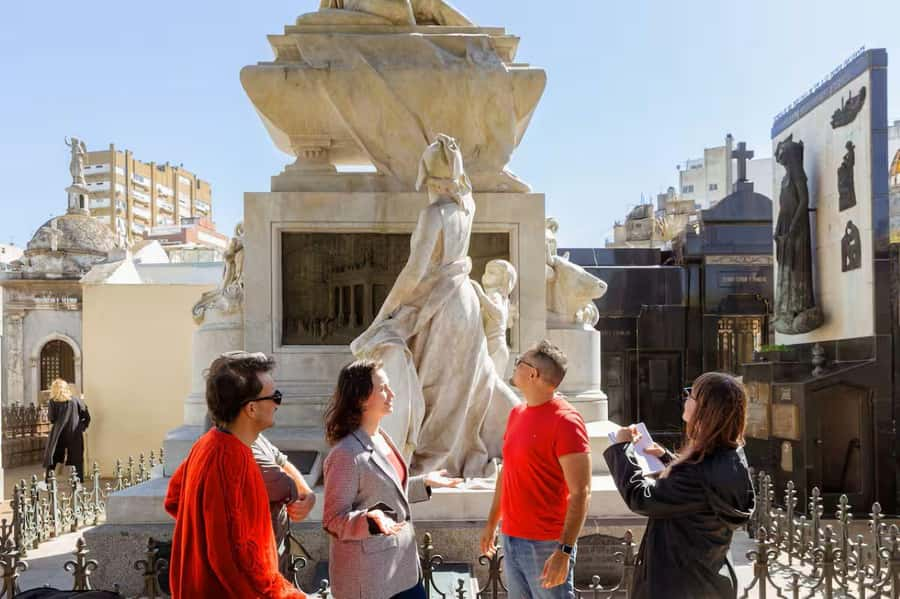
- The walk links two major areas: You begin at Rapa Nui near Plaza San Martín and finish inside the Recoleta district.
- The focus is social history: Expect discussion of landowners, political power, wealth, architecture, and Argentina’s rise and decline as a possible world power.
- The cemetery visit lasts about 45 minutes: Entry is optional, and the ticket is purchased separately.
- Guides lead in three languages: Tours are available in Spanish, English, and French.
- The pace is adjustable: Private and small-group formats are available, and the guide can spend more time on subjects that interest you.
- The price is $34 per person: That is a fair rate for a small-group historical walk, though the extra cemetery fee should be part of your budget.
Why this walk tells Buenos Aires better than a quick cemetery visit
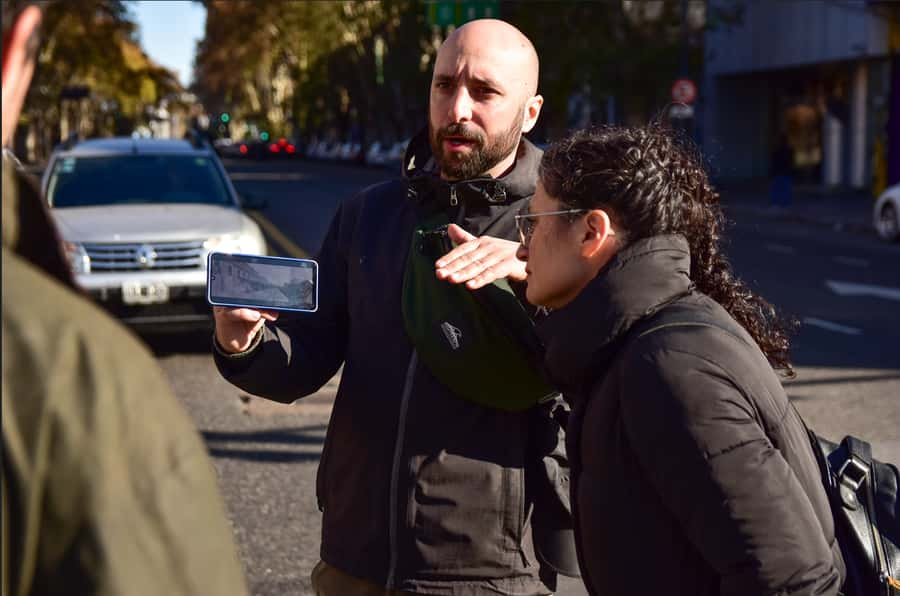
A short visit to Recoleta Cemetery can leave you impressed by marble mausoleums but unsure what they mean. This experience gives the cemetery a wider setting. You first pass the places where Argentina’s social and economic elite lived, worked, entertained, and displayed their status.
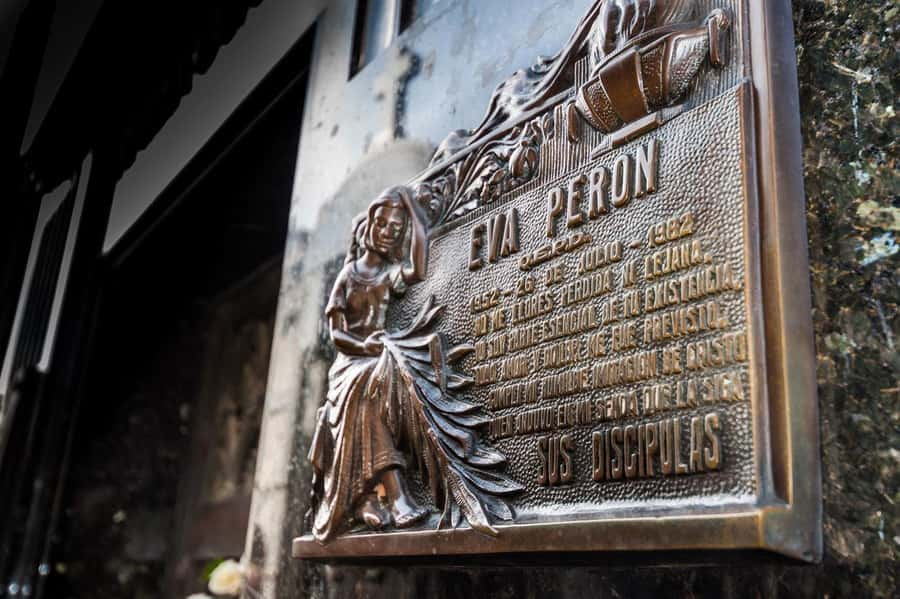
That order matters. Recoleta Cemetery becomes more than a famous stop for Eva Perón’s tomb or a collection of ornate family vaults. You begin to see it as a public record of power. The people honored there belonged to a society built on large estates, imported tastes, political influence, and a strong desire to make Buenos Aires look like a European capital.
The guide encourages discussion rather than delivering a fixed speech. That suits this subject. Argentina’s past is not a tidy tale of success. The country once looked capable of becoming one of the world’s leading powers, yet its political and economic path became far less stable. A good guide can connect the grand buildings to that larger question, and this walk is designed to do exactly that.
The guides named for this experience include Nicolas, often called Nico, and Ignacio. Expect an academic approach with humor and room for questions. Nicolas is described as an historian with many lesser-known stories, while Ignacio is noted for making the visit a particularly strong way to understand Buenos Aires.
More Recoleta and Evita walks:
- Buenos Aires: La Recoleta Cemetery Guided Tour in English
★ 4.8 · 1,359 reviews - Buenos Aires Bike Tour: North Districts, Recoleta and Palermo
★ 4.5 · 91 reviews - Recoleta Cemetery – Small Group Tour of History & Secrets
★ 5.0 · 53 reviews
Starting at Rapa Nui and Plaza San Martín
The meeting point is the Rapa Nui store. From there, you move toward Plaza General San Martín, one of the city’s important public spaces and the first setting for the tour’s central ideas.
The plaza gives the guide room to explain how Buenos Aires developed its grand civic image. The discussion here lasts about 10 minutes, then returns to the plaza for another short guided segment. The duplicated plaza stop may reflect two points within the same area, so do not expect a major transfer between them.
I like beginning here because it gives you a broad frame before the architecture becomes more detailed. You can ask about Argentina’s political past, the ambitions of its ruling groups, and the way Buenos Aires presented itself to the world. If you arrive with only a basic idea of Argentina’s history, this opening should help you understand why the rest of the walk matters.
Plaza San Martín is also a practical place to begin. You are not dropped straight into a cemetery with no context. Instead, the tour starts with the city’s public face, then moves toward its private residences and elite institutions.
Edificio Kavanagh and the city’s vertical ambition
The next stop is Edificio Kavanagh, with about 10 minutes for explanation. This building introduces a different kind of status from the old mansions. Instead of showing wealth through a country estate or a palace, it represents modern urban ambition and the desire to make a mark on Buenos Aires’ skyline.
The guide uses buildings like this to explain the city’s Parisian illusion. Buenos Aires borrowed heavily from European styles and ideals, but the tour does not treat that imitation as a simple compliment. You will consider why local elites wanted the capital to look European and what that image said about Argentina’s place in the world.
This is a good point to notice the tour’s mix of architecture and politics. You are not simply told that a building is beautiful. You are asked who could afford to live in it, what kind of city it represented, and how ideas about progress changed over time.
Torre Monumental and borrowed European symbols
Torre Monumental follows, again with roughly 10 minutes of guided time. Its presence adds another layer to the discussion of Buenos Aires as a city that looked outward toward Europe.
The tower helps the guide explain how public monuments can carry several meanings at once. They may mark an event, reflect a political relationship, or help a city construct an identity. On this walk, the emphasis is less on memorizing construction details and more on reading symbols in context.
That approach is useful if you prefer history that connects places to people. The guide can take a structure that might otherwise be a quick photograph and use it to ask what the capital wanted to say about itself. The short stop keeps the route moving, though anyone who wants a long architectural lecture may find the 10-minute format brief.
A few more Buenos Aires half-days to weigh up
- Buenos Aires Hop-On Hop-Off Bus, Free Walking Tours & Discounts
★ 4.5 · 2,218 reviews - Buenos Aires: Piazzolla Tango Show with Optional Dinner
★ 4.4 · 2,122 reviews - Buenos Aires: City Highlights Guided Tour with Transfer
★ 4.7 · 1,946 reviews - Buenos Aires: Hop-On Hop-Off City Bus Tour
★ 4.2 · 1,855 reviews
Mansión Estrugamou and the homes of the elite
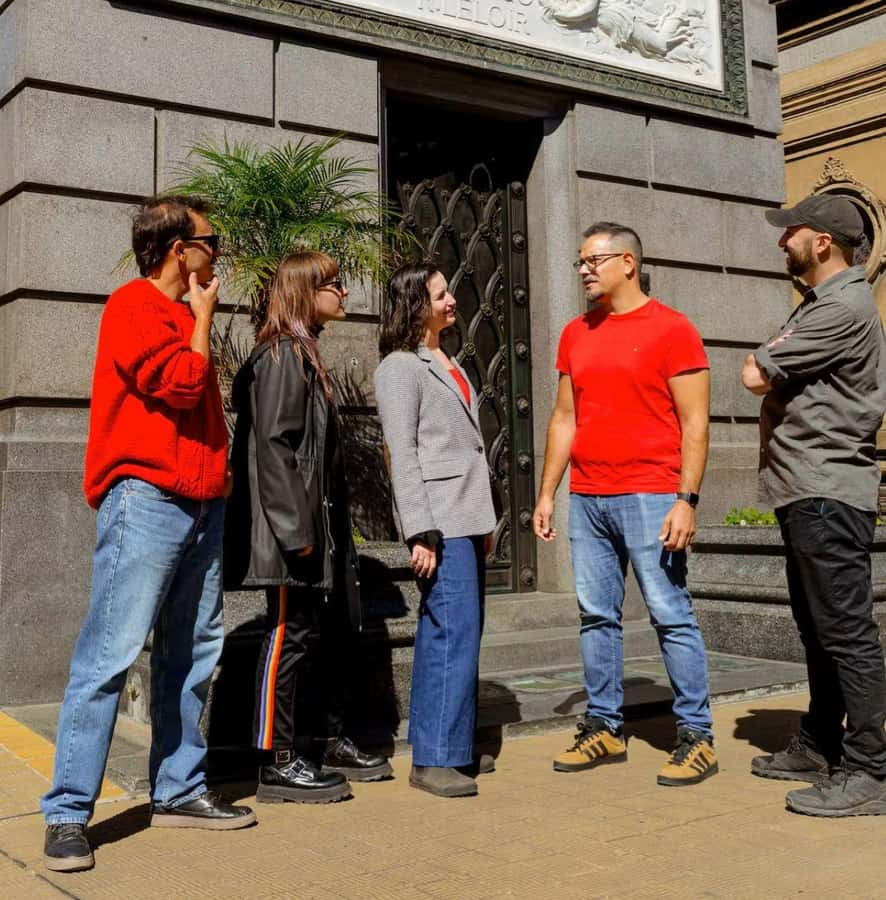
At Mansión Estrugamou, also known as Casa Basavilbaso, the tour turns more directly toward private wealth. The mansion helps illustrate the world of powerful families who could shape the appearance and direction of the city.
This is where the phrase Argentina’s Gilded Age becomes concrete. Grand residences were not only places to live. They signaled family position, money, connections, and a confident belief that Buenos Aires deserved the same visual treatment as the capitals of Europe.
The guide’s anthropological approach is especially useful here. You look at architecture as evidence of social rules. Who had access to these homes? What did the owners want others to think? Which parts of the story survive in the façade, and which parts have disappeared?
Because the walk is discussion-based, you can spend more time on these questions if they interest you. In a large group, a guide may need to keep the schedule tighter. A private or small group should give you a better chance to shape the conversation.
Palacio San Martín, the French Embassy, and the city’s European pose
The route continues to Palacio San Martín, followed by a short break at a Carrefour Express and then the Embassy of France. These stops place elite culture alongside diplomacy and international influence.
Palacio San Martín helps show how family wealth and national power overlapped. The Embassy of France adds a clear example of Buenos Aires’ connection with European political and cultural models. Together, the buildings support the tour’s question about the Parisian image: Was Buenos Aires simply copying Europe, or was it creating a local version of modernity with its own purposes?
The break at Carrefour Express lasts about five minutes. It is not a meal stop, but it gives you a chance to pause, buy something small, or catch your breath before the final stretch. Wear comfortable shoes and carry water, since the experience covers several city blocks before reaching the cemetery.
The route is wheelchair accessible according to the activity information. Still, a walking tour with many exterior stops can feel different from a fully indoor visit, so you may want to confirm route needs when booking, especially if you require specific assistance.
Jockey Club and Palacio Duhau
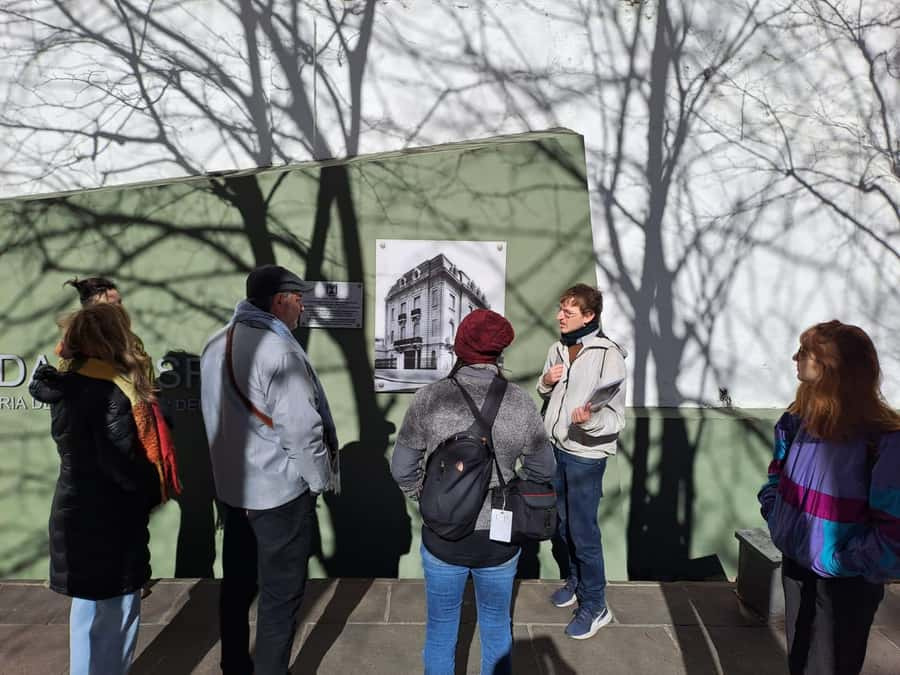
The Jockey Club is the next major stop. Its name points to the social world of old money, clubs, status, and elite networks. The guide uses the building to discuss the people and institutions that held influence during Argentina’s prosperous period.
This is one of the strongest parts of the walk for anyone curious about how a ruling class operates. Wealth is not only held in bank accounts or land. It also appears through clubs, social access, marriage networks, political friendships, and control of public ideas. The Jockey Club helps make that system easier to picture.
At Palacio Duhau, now the Park Hyatt Buenos Aires, the tour pauses for about five minutes. The building shows how an old palace can be given a new role in a modern city. That contrast is worth noticing. Buenos Aires has not simply preserved its elite past behind glass. It has also turned parts of that past into hotels, institutions, and working spaces.
You may find this stop less satisfying if you want interior access. The guided experience focuses on the outside setting and its meaning rather than promising entry into every building.
Recoleta Cemetery as a map of power
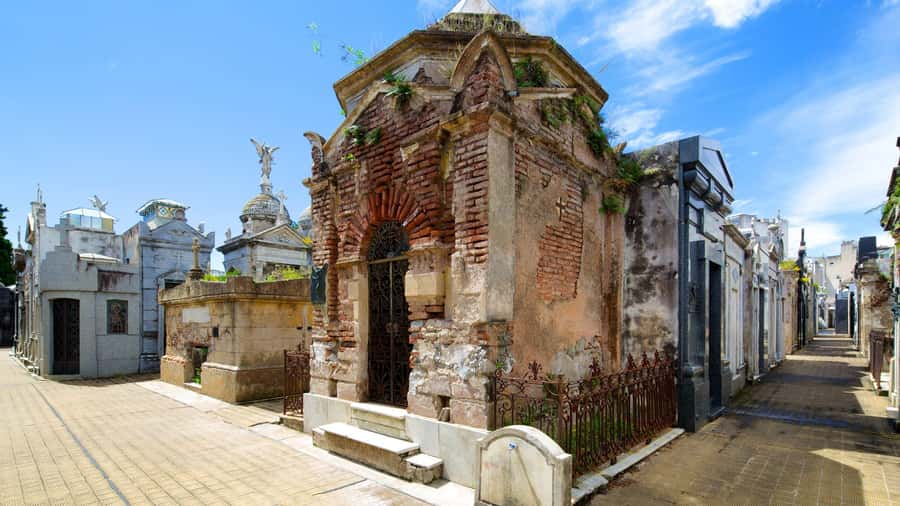
The final 45 minutes take place at Recoleta Cemetery. Entry is optional, and the ticket is not included in the $34 tour price. You can buy admission at the entrance or arrange it online in advance.
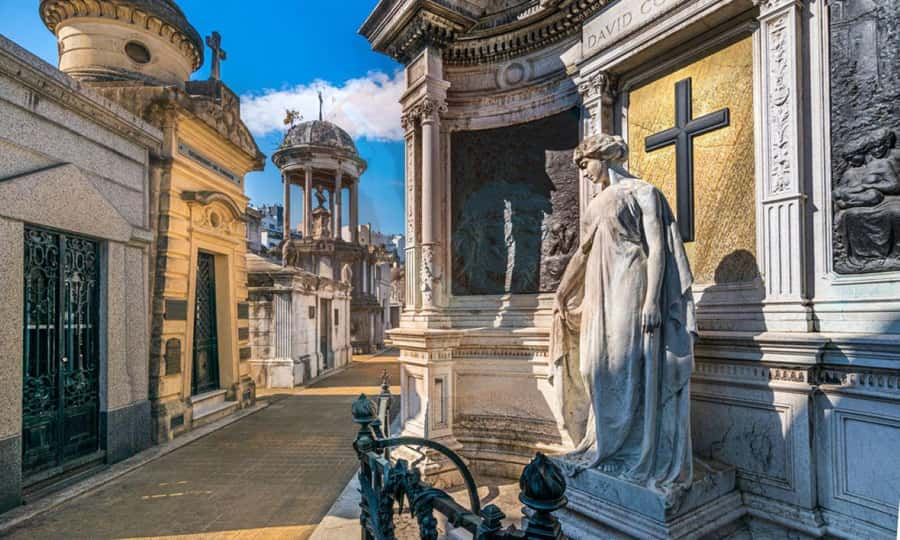
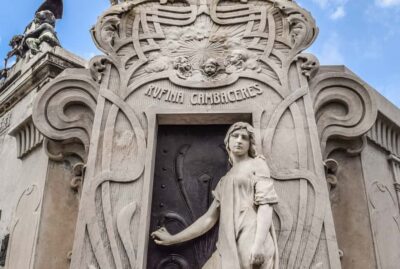
The cemetery is the emotional center of the walk, but it works because the earlier stops have prepared you for it. Here, the city’s social order is displayed in stone. Large family mausoleums, elaborate design, and prominent names reveal how certain people wanted to be remembered.
The guide asks you to look beyond famous graves. Who receives a grand monument? Who is mentioned in national stories? Who is absent from the public memory? Those questions turn the cemetery into a way to discuss class, influence, national identity, and the difference between historical importance and historical fame.
The cemetery portion lasts 45 minutes, enough for a serious introduction without making the whole outing feel like a long burial-ground lecture. If you are especially interested in architecture or notable figures, the private format may be worthwhile because you can ask for more detail. In a small group, you should still have room for questions, but the guide will need to balance several interests.
The optional entry also gives you flexibility. If you have already visited Recoleta Cemetery, you could choose not to enter and concentrate on the neighborhood walk. If this is your first visit, I would budget for admission because the final discussion is designed to take place among the tombs.
What the guide’s style means for you
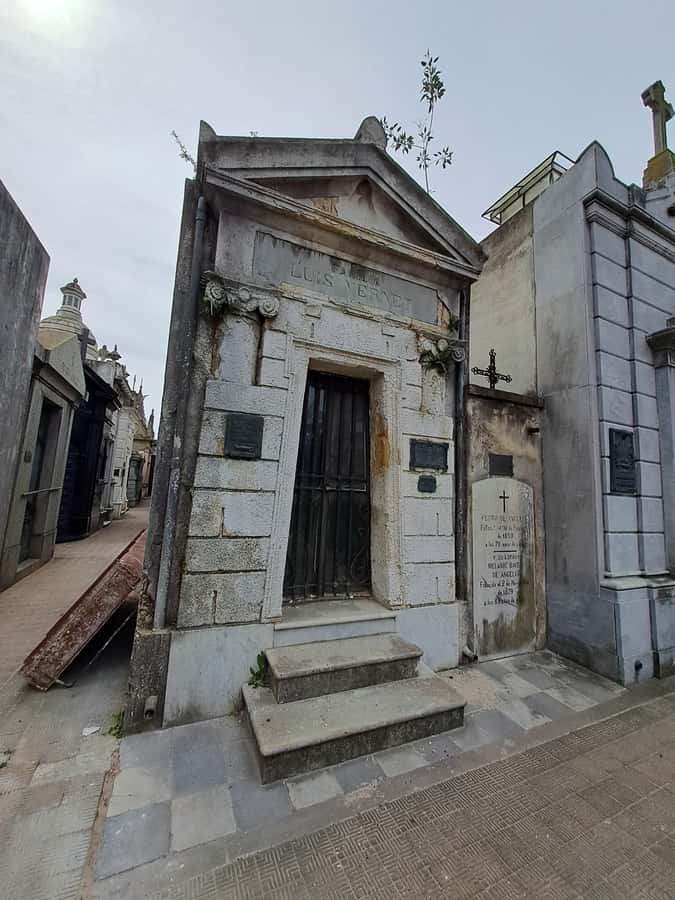
This is not a tour built around constant movement and rapid facts. The guide invites discussion, and the schedule allows about 10 minutes at many stops. That makes it a good choice if you like asking why, not only what or when.
Nicolas, also called Nico, is associated with a strong grasp of history, humor, and lesser-known stories. Ignacio is also named as a guide for this experience. The available languages are English, Spanish, and French, so you can choose the language that lets you take part most easily.
The pace can be adapted. The experience is available as a private or small-group tour, and the guide can adjust how long you spend on subjects that catch your attention. A private booking costs more in many tour settings, but here the format could be valuable if your group has a clear interest in architecture, politics, cemetery symbolism, or Argentine history.
One caution: the tour’s quality will depend partly on your willingness to participate. If you prefer a short, polished script with no debate, you may find the conversational method less predictable. If you enjoy testing ideas and asking follow-up questions, it should feel much more rewarding.
Is $34 a fair price?
At $34 per person, the tour offers two and a half hours of guiding across several important areas of Buenos Aires. The price includes the walking tour and a university-degree guide, but not the cemetery ticket.
I consider that a reasonable price for the amount of context provided, especially if you choose a small group. You are paying for interpretation rather than transport or admission. The guide links separate buildings into one story, which is hard to do alone without reading up in advance.
The value is strongest for first-time visitors who want to understand how Buenos Aires was shaped by landowners, elite families, foreign influence, and changing ideas of national success. It is also useful for repeat visitors who have seen Recoleta Cemetery but have not considered its social meaning.
The value is weaker if your main goal is a quick cemetery visit. You will spend much of the tour before reaching Recoleta, and the cemetery itself is only one part of the experience. Remember to add its admission fee to your budget.
Who should book this experience?
I would choose this walk if you want history tied to real streets and buildings. It suits curious adults, students of politics or architecture, and anyone who prefers a guide who can answer questions instead of reciting a fixed script.
It is also a strong option if you are interested in Argentina’s rise as a wealthy country and its later loss of momentum. The tour does not treat the past as a parade of grand buildings. It asks what those buildings reveal about land, class, power, and national ambition.
Families with older children may enjoy the format if they are comfortable walking and discussing ideas. Younger children may find the long architectural explanations and cemetery themes less engaging.
Book it if you want Recoleta Cemetery placed inside a larger story about Buenos Aires. Skip it if you only want famous graves, photo stops, or a fast introduction with little discussion.
FAQ
How long does the tour last?
The experience lasts 150 minutes, or two and a half hours.
Where does the tour meet?
The meeting point is the Rapa Nui store.
Where does the tour finish?
The route finishes at Recoleta Cemetery.
Is the cemetery ticket included?
No. Entry to Recoleta Cemetery is optional, and the ticket must be purchased separately at the entrance or online in advance.
What languages are available?
The tour is available in Spanish, English, and French.
Is the tour wheelchair accessible?
Yes, the activity is listed as wheelchair accessible.
Can I book a private or small-group tour?
Yes. Private and small-group options are available.
Just added around Buenos Aires
- Tango Show at El Querandi with optional Dinner★ 4.2 · 3 reviews
- Wine Tasting in Buenos Aires★ 4.2 · 4 reviews
- Walking Tour: Buenos Aires bookstores★ 4.3 · 12 reviews
- Velez Sarsfield Football Match★ 5.0 · 3 reviews
- Unique Tigre and Delta Private Day Cruise Navegation★ 5.0 · 3 reviews
- Private Underground Tango Immersion★ 5.0 · 31 reviews
- Sailing with Wine Tasting in Buenos Aires★ 5.0 · 50 reviews
- Experience The Essence of Buenos Aires in San Telmo★ 5.0 · 51 reviews
Recoleta Cemetery Tours, compared.

Buenos Aires Bike Tour: North Districts, Recoleta and Palermo
Read our review →
Recoleta Cemetery – Small Group Tour of History & Secrets
Read our review →

Cultural Experience by Bike around Palermo and Recoleta Max 6 ppl
Read our review →


Full Day City Tour Buenos Aires, Recoleta Cemetery and Tigre
Read our review →Browse the lists this tour appears in