

Reviewed · GLACIER TOURS
USHUAIA: TREKKING IN LAGUNA DE LOS TÉMPANOS AND VINCIGUERRA GLACIER
The best part of this outing is the change in scenery under your boots. You begin among the peat bogs of Andorra Valley, cross wetlands and thawing streams, walk through native forest, and finish beside an ancient glacier and its ice-blue lagoon. It is a full day in the Fuegian Mountain Range, not a quick photo stop.
I like the small groups of up to 10 and the steady help from the mountain guides. I also like the door-to-door pickup, boxed lunch, trekking poles, and the chance to stand right beside Vinciguerra Glacier. The main catch is the effort: this is a 14-kilometer mountain walk with a hard final ascent, and the ice caves and internal rivers may only be visible in winter.
Key points to know before booking
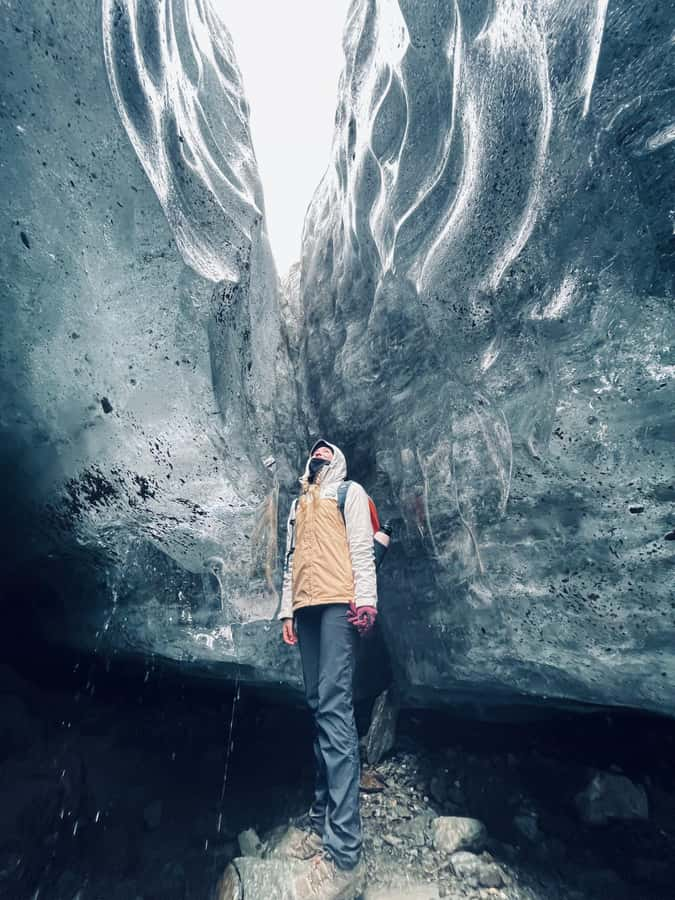
- Four types of scenery in one trek: Expect peat bogs, native forest, wetlands, streams, a lagoon, and a glacier.
- A genuine mountain day: The round trip covers about 14 kilometers, with roughly seven hours on foot.
- The final climb is the test: The last ascent to Laguna de los Témpanos is the steepest and most demanding part.
- Ice features depend on the season: Ice caves, crevasses, and rushing water inside the glacier are not guaranteed outside winter.
- Useful equipment is supplied: Transfers, a boxed lunch, trekking poles, and crampons when needed are included.
- Bring the right boots: Warm clothing and proper trekking boots are mandatory, not optional extras.
From Ushuaia to Andorra Valley
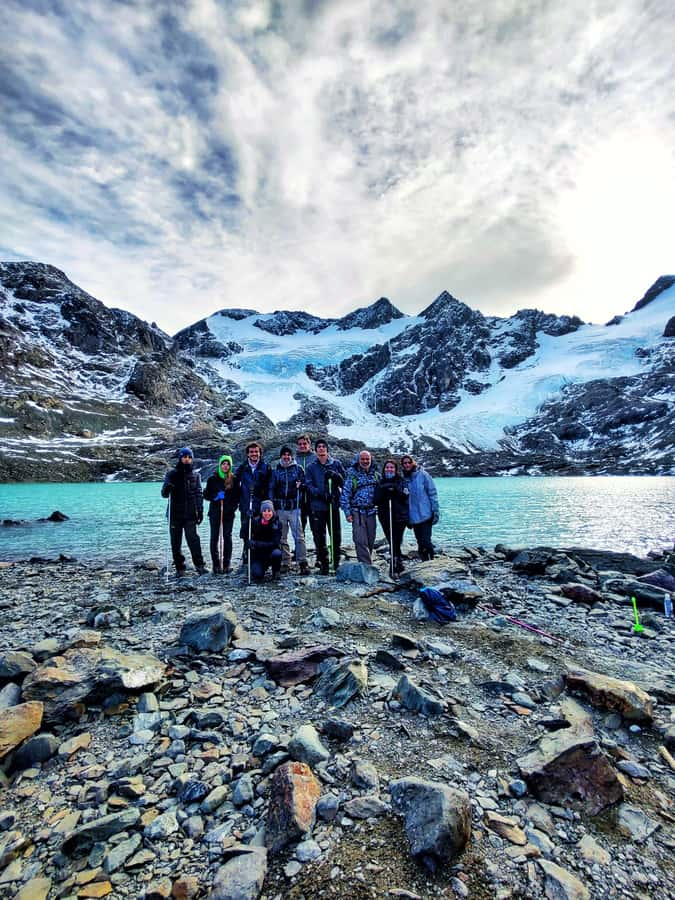
The day starts with pickup at your accommodation in Ushuaia. A van ride of about 30 minutes brings you to the trail area, so you do not need to arrange a taxi or find a remote starting point on your own. That is especially welcome after a long day on your feet.
The first section crosses Andorra Valley. Here, the trail passes through peat bogs, a wetland formed from layers of partly decayed plant material. The bogs can look simple at first, but they give the opening walk a strong Tierra del Fuego feel. Water from thawing snow and ice moves through the valley, creating broad views before the trail turns uphill.
This opening stretch is also a useful warm-up. You are already walking, but the main climbing has not begun. Take the chance to adjust your pack, check your boot comfort, and settle into the pace set by the guide.
The setting can be wet underfoot. The excursion requires suitable trekking boots for good reason, and ordinary casual shoes are not enough for a route that crosses wetlands, streams, and uneven mountain ground. Warm, weather-appropriate clothing matters too. Rain made one January trek harder, so you should prepare for changing conditions even in summer.
More Hiking Tours in Ushuaia
- From Ushuaia: Tierra del Fuego Emerald Lagoon Trekking Tour
★ 4.9 · 271 reviews - Trekking to Vinciguerra glacier and Tempanos lagoon
★ 4.8 · 127 reviews - Trekking Emerald Lagoon
★ 4.5 · 87 reviews
Into the native forest
After the valley, the path enters native forest and begins a sustained climb. The forest gives you shade and a more enclosed walking experience, but it also hides much of the wider view for a while. This is where the outing shifts from a scenic valley walk to a proper mountain trek.
You will want to keep a steady rhythm rather than rush. The guides stop at intervals, and that matters on a route this long. One participant described feeling safe in wet weather because the guide paused often to check that everyone was coping. That is the right approach here. A strong pace at the start can leave you short of energy for the final climb.
The small-group format helps. With no more than 10 people, the guide can keep track of the group and explain what you are seeing without trying to speak over a crowd. The tour runs in Spanish and English, so confirm your preferred language when booking if that matters to you.
As the route gains height, the trees begin to thin. You eventually reach the upper limit of vegetation, where the forest gives way to open mountain ground. This transition is one of the most satisfying parts of the walk. You can see how quickly the conditions change with altitude, and the glacier begins to appear ahead.
The thawing waterfall rest stop
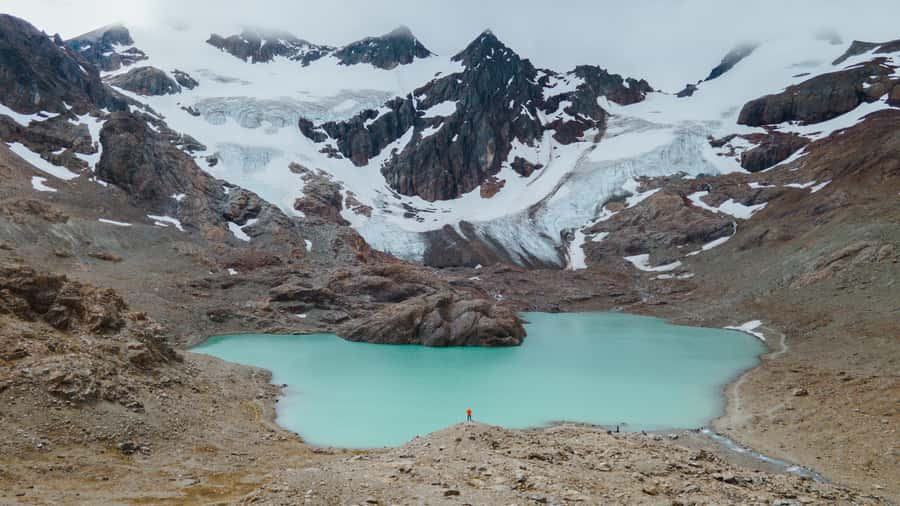
Near the edge of the forest, the route reaches a thawing waterfall and stream. This is a natural place for a short rest before the hardest section. From here, you can see part of Vinciguerra Glacier, which gives you a clear goal for the miles still ahead.
Do not mistake the first glacier view for the finish. The final ascent remains ahead, and it is the toughest part of the day. The trail climbs toward Laguna de los Témpanos, so conserve your energy at the waterfall. Use the stop to drink water, eat a small snack if you carry one, and add or remove a layer.
The weather can make a large difference. Rain does not simply make the walk less pleasant. It can make footing more difficult and slow the whole group. The tour includes trekking poles, which are useful for balance on wet or uneven ground. Crampons are also supplied if conditions call for them.
The final climb to Laguna de los Témpanos
The last ascent is where you discover if this outing matches your fitness. The tour requires you to sustain a walking pace in the mountains for a 14-kilometer round trip. You do not need to be a technical climber, but you should be comfortable with a long hike that includes a demanding uphill section.
At the top, Laguna de los Témpanos comes into view. The lagoon sits in front of the glacier, giving you the classic composition of water, ice, and dark Fuegian mountains. This is the main photo stop, but it is worth putting the camera away for a few minutes. The scale is easier to appreciate when you are not viewing it only through a screen.
The name refers to icebergs or chunks of floating ice, though the exact appearance of the lagoon can vary with conditions and season. What remains constant is the position: you are looking across the water toward Vinciguerra Glacier, rather than viewing it from a distant road or lookout.
The climb can feel long, so the arrival is a real reward. You have earned the view by crossing the valley, bogs, forest, streams, and open mountain ground. This is a more physical way to see Tierra del Fuego than a sightseeing drive.
More glacier trips from Ushuaia:
- Small group Trekking to Vinciguerra Glacier and Témpanos Lagoon
★ 5.0 · 68 reviews - Full Day Reduced Tour to the Ojo del Albino Glacier in Argentina
★ 4.5 · 37 reviews - USHUAIA | City Tour + Martial Glacier Reserve
★ 3.3 · 16 reviews - Vinciguerra Ice Experience
★ 5.0 · 5 reviews
Walking the last 20 minutes to the glacier
From the lagoon, the route continues for about 20 minutes to the foot of Vinciguerra Glacier. This final stretch is short compared with the full trek, but it changes the experience again. You are no longer looking at the glacier across a valley or body of water. You are standing beside the ice.
The glacier is an old mass of moving ice, shaped by centuries of snowfall and pressure. At its edge, you may see cracks, channels, and irregular surfaces. The tour description includes ice caves, internal rivers, and crevasses, but you should read that carefully. Conditions vary, and a January trek did not offer those features because they were described as winter sights.
That seasonal distinction is important. In colder months, ice formations can be more apparent, while warmer conditions may change or remove them. The tour should not be booked on the assumption that you will enter an ice cave or hear water flowing inside the glacier. You will still get close to the ice, but the exact formations are not fixed.
The guides are particularly useful here. They can explain what is safe to approach and help you understand the glacier without treating it as a backdrop for careless climbing. Do not wander onto unstable ice by yourself. Stay with the group and follow instructions around cracks, meltwater, and caves.
Lunch beside Vinciguerra Glacier
Lunch is served near the glacier, with the ice and lagoon providing the setting. The boxed lunch and tea are included, which saves you from carrying a full meal and gives you a proper break after the climb. A scenic lunch is a small thing, but after several hours of walking it becomes one of the most welcome parts of the day.
You should still bring water and any personal snacks you rely on. The supplied meal is useful, but the information does not specify its full contents, so people with dietary needs should check before booking. Tea was appreciated on one outing, especially with the cool weather and rain.
The lunch stop also helps divide the day. Rather than treating the trek as one long push, you have a clear goal, a rest beside the glacier, and then the return journey. Sit down, eat slowly, and enjoy the view. You have already done the hardest uphill work.
The return walk and the 10-hour day
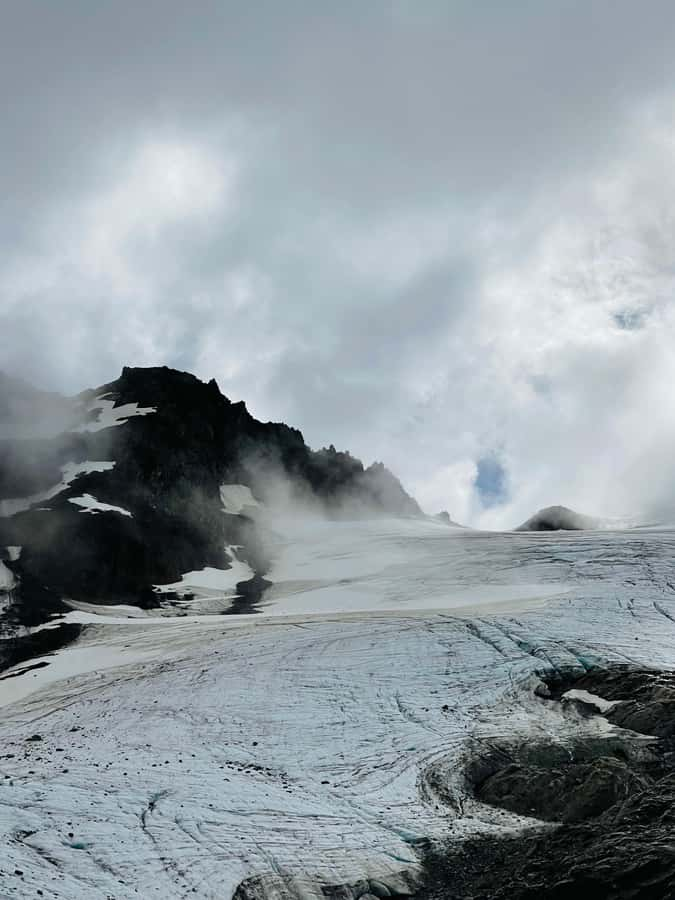
After lunch, you retrace the route down the mountain. The return is generally less demanding than the climb, but downhill walking can still tire your legs, especially on wet or uneven ground. Poles are helpful here too, giving you extra balance and reducing some strain on your knees.
The complete outing lasts about 450 minutes, or seven and a half hours, including the transfers. One participant described a 10-hour door-to-door day, with about eight hours spent hiking. The exact total may vary with weather, group pace, and the time needed for stops, so keep the whole day free.
The van returns you to Ushuaia after the trek. Door-to-door pickup and drop-off are valuable at this point. After a long mountain walk, you will probably care less about saving a few minutes and more about sitting down without needing to navigate public transport.
What the $170 price includes
At $170 per person, this is not a cheap half-day outing. The value comes from the amount of support and equipment bundled into a demanding full-day route. You get transport from Ushuaia, specialized mountain guides, a boxed lunch, trekking poles, and crampons if required.
A private taxi, separate guide, lunch, and equipment rental could quickly make an independent attempt less convenient. More important, this is not a route where a casual city walking tour guide is enough. The conditions can change, and the group needs someone able to manage a long mountain outing in wet and cold weather.
The price makes the most sense if you want close contact with the glacier and are prepared to hike for most of the day. If you mainly want a glacier photograph with little physical effort, this is the wrong purchase. The route earns its cost through the variety of terrain and the time spent beside the ice, not through comfort or speed.
The tour has a 4.8 rating from five submitted reviews, with repeated praise for the guides, the scenery, and the lunch stop. The sample is small, so I would treat the rating as encouraging rather than definitive. The most useful practical point is consistent: the guides provide regular support, and the route is physically serious.
Who should book this trek
I would choose this outing if you are in good physical condition, enjoy long walks, and want a close look at the natural setting around Ushuaia. It suits people who prefer a full mountain day to a short viewpoint visit.
You should be comfortable walking 14 kilometers round trip and handling a hard uphill section. Children under 12 cannot join, and the activity is not suitable for wheelchair users. The route also requires warm clothing and trekking boots, so it is not a good last-minute choice if you have packed only casual shoes.
The outing can work in rain, but rain may make the trail harder and reduce the comfort of the day. Pack layers and clothing suited to the forecast. The supplied poles and possible crampons help with conditions, but they do not replace proper boots or fitness.
Small-group support and practical flexibility
The group limit of 10 is a useful middle ground. You get the social feel of a shared outing, but the group remains small enough for regular checks and questions. The guides speak Spanish and English, and transfers are included from all passenger accommodations in Ushuaia.
You can cancel up to 24 hours in advance for a full refund, and the reserve-now, pay-later option helps if your weather plans are still moving around. Those policies do not change the physical demands, but they reduce some of the risk when planning a trip to a place with uncertain mountain weather.
One booking issue is worth noting: space may not be available on your preferred day. A participant who could not take the trek on the intended date received 50 percent off a national park tour instead. That is not a guaranteed arrangement, but it suggests the company may offer alternatives when scheduling changes.
Is Laguna de los Témpanos worth your day?
Book it if you want a real hike to a glacier, not a quick scenic stop. The route gives you far more than ice: peat bogs, wetlands, forest, a thawing waterfall, open mountain ground, a lagoon, and the glacier itself. The guide support, small group, lunch, and included equipment make the $170 easier to justify.
Skip it if you dislike long uphill walks, need an easy-access activity, or are determined to see ice caves and internal glacier rivers. Those features depend on the season and conditions, with winter offering the best chance according to the available experience details.
For fit hikers visiting Ushuaia, this is one of the more rewarding ways to spend a full day outside town. Just arrive with proper boots, warm layers, and realistic expectations about the climb.
FAQ
How long does the Vinciguerra Glacier trek take?
The activity lasts about 450 minutes, or seven and a half hours, including transfers. The hiking portion is listed as about seven hours, though the total door-to-door day can be longer depending on stops, weather, and group pace.
How far do you walk?
The round trip is about 14 kilometers. You need to be able to maintain a walking pace in the mountains for the full route.
Is the trek difficult?
Yes. The route includes a demanding final ascent to Laguna de los Témpanos. Good physical condition is required, and the activity is not designed as an easy sightseeing walk.
What scenery will I see?
The route passes through Andorra Valley peat bogs, wetlands, thawing rivers, native forest, a waterfall, open mountain areas, Laguna de los Témpanos, and Vinciguerra Glacier.
Can I see ice caves and glacier crevasses?
You may see ice caves, crevasses, or internal glacier rivers, but these features depend on the season and conditions. They were not visible on one summer outing and were described as winter features.
Are transfers from Ushuaia included?
Yes. Pickup and drop-off at passenger accommodations in Ushuaia are included, with about 30 minutes of van travel each way.
What equipment is provided?
The tour provides trekking poles and crampons when necessary. A boxed lunch and transfers are also included.
Do I need trekking boots?
Yes. Suitable trekking boots are mandatory. Warm clothing and weather-appropriate clothing are also required.
What languages do the guides speak?
The live guides speak Spanish and English.
Can children join the trek?
Children under 12 are not permitted to participate. The activity is also not suitable for wheelchair users.
Just added around Ushuaia
- Trekking Esmeralda Lagoon★ 4.8 · 3 reviews
- Ushuaia: Tour: Beagle Channel Navigation★ 4.7 · 3 reviews
- Ushuaia: Visit to Escondido and Fagnano Lakes PM★ 4.7 · 6 reviews
- Ushuaia: Tierra del Fuego National Park Tour with Lunch★ 4.7 · 38 reviews
- USHUAIA | Tierra del Fuego National Park & Optional Train★ 4.6 · 11 reviews
- Ushuaia: Tierra del Fuego National Park Shore Excursion★ 4.1 · 18 reviews
- Tierra del Fuego National Park: Small Group Tour with Lunch★ 4.7 · 7 reviews
- Ushuaia: Tierra del Fuego National Park Half-Day Tour★ 4.3 · 13 reviews
Glacier Tours, compared.
Perito Moreno Glacier Trekking Tour and Cruise
Read our review →

Calafate: Perito Moreno Glacier Guided Full-Day Tour
Read our review →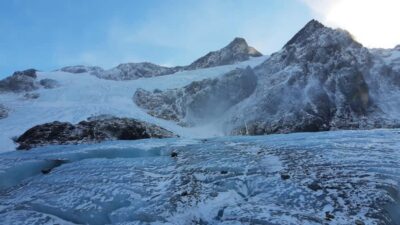
Trekking to Vinciguerra glacier and Tempanos lagoon
Read our review →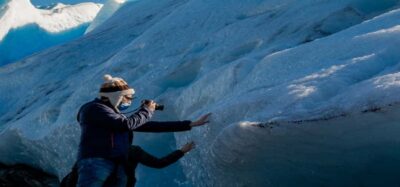

Browse the lists this tour appears in