

Reviewed · COOKING CLASSES
Buenos Aires: Empanadas and Alfajores Guided Cooking Class
Buenos Aires food culture makes the most sense around a kitchen table. In this three-hour class, you enter a real Argentine home, work with fresh ingredients, shape empanadas by hand, prepare alfajores, and learn the ritual of mate, the country’s famous herbal drink. The small group, limited to eight, keeps the evening personal.
I especially like two things here: you eat what you make, and you get practical skills you can use at home. I also like the family setting, where hosts such as Thomas and Sophia add stories about Argentine food and daily life. The main consideration is that the instruction can feel less clear from the far end of the table, and some beginners may need to ask for extra help.
Key Points to Know Before You Book
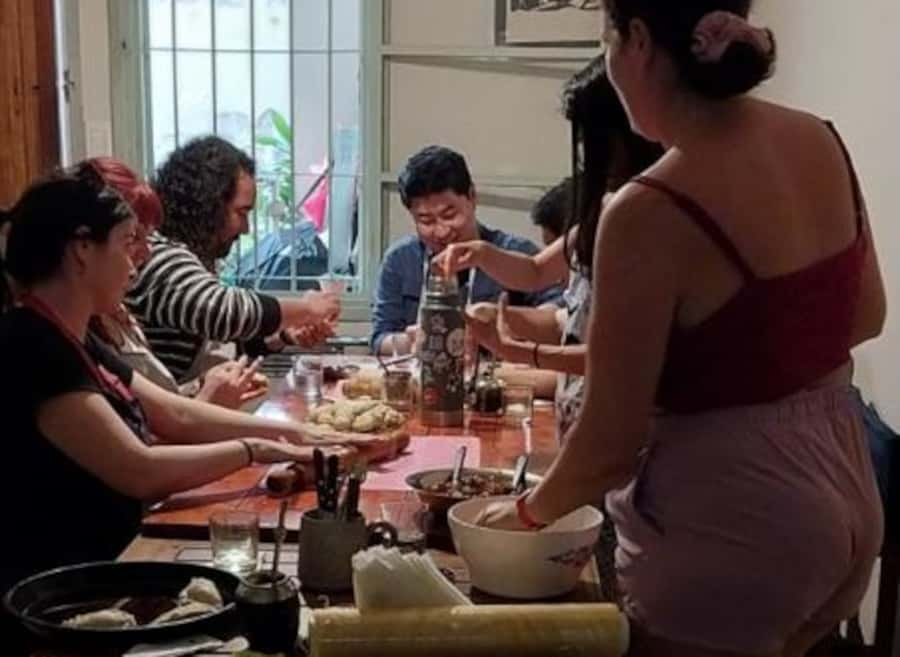
- Real home setting: The class takes place in an Argentine household rather than a formal cooking school.
- Three classic foods: You prepare savory empanadas, dulce de leche alfajores, and traditional mate.
- Small group format: With no more than eight participants, you get hands-on time and plenty of conversation.
- Vegetarian options: Meat and vegetable fillings are available, though the exact menu may vary.
- Useful take-home skills: You learn dough, fillings, and the decorative repulgue seal used on empanadas.
- Strong value at $37: Ingredients, mate, water, and a full meal are included, while wine costs extra.
A Buenos Aires Kitchen Instead of a Cooking Studio
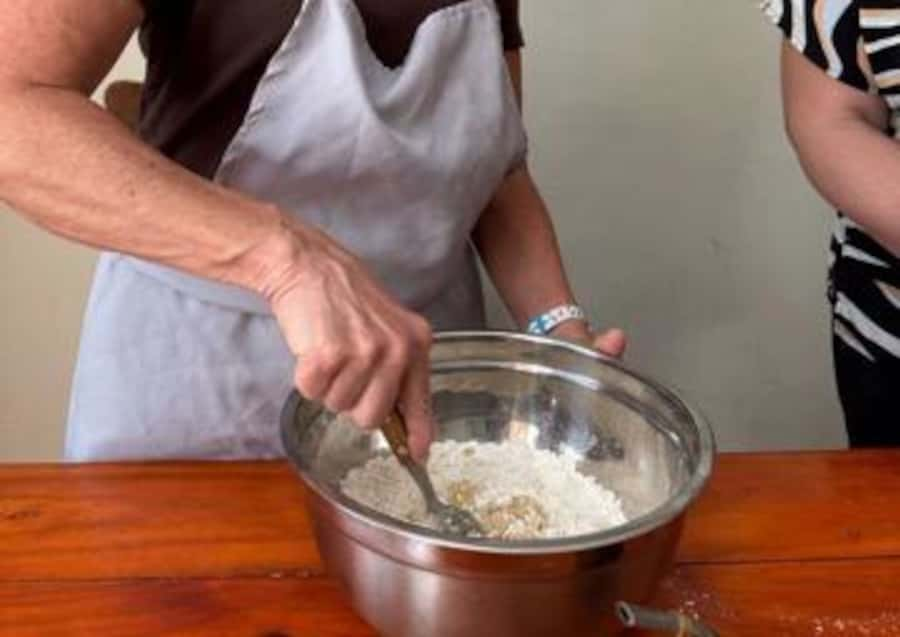
The most appealing part of this experience is the address: Paseo Colon 1355 in San Telmo is a home, not a restaurant or a polished demonstration kitchen. You ring the bell at the starting time and enter a lived-in space where the hosts welcome you as temporary members of the household.
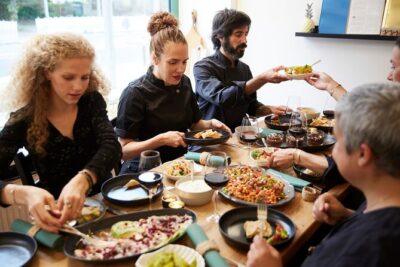
That changes the tone of the class. You are not simply watching an instructor prepare a local dish while standing behind a counter. You work together, pass ingredients, talk across the table, and share the final meal. Several hosts have led sessions, including Thomas, Sophia, Maria, and Stella, so the exact personality of the evening can vary.
The setting also gives the class a personal connection to Buenos Aires. The hosts discuss local customs, food traditions, and Argentine culture as you cook. One host, Sophia, is also a tour guide and has shared practical tips about the city during the class.
The room is cozy, and that is both a benefit and a small limitation. An intimate space helps strangers become comfortable quickly, but someone seated at the end of the table may not have the best view of every demonstration. If you want to see a folding technique clearly, move closer or ask the host to repeat it where you can watch.
More cooking classes in Buenos Aires:
- Buenos Aires: Empanada & Alfajor Cooking Lesson in Palermo
★ 4.6 · 186 reviews - BA: Empanadas and Alfajores Cooking Experience in Palermo
★ 5.0 · 112 reviews - Argentinian Empanadas Cooking Experience in Palermo, Bs As
★ 4.8 · 50 reviews
Making Empanadas, From Dough to Repulgue
Empanadas are the heart of the class. In Argentina, these filled pastries can be baked or fried and eaten at almost any time of day. The filling may include meat, ham and cheese, or vegetables, and styles vary across the country.
You begin with the basic building blocks: dough and filling. The class covers how to prepare the dough, how to combine the ingredients, and how to put the right amount of filling inside each round. This is useful because the hardest part at home is often not the recipe itself, but learning how much filling the dough can hold without splitting.
The key lesson is the repulgue, the twisted or folded edge that seals an empanada. It is a small detail with a big effect. A proper seal keeps the filling inside during cooking and gives the pastry its unmistakable Argentine look. You will likely make a few less-than-perfect examples at first, but that is part of the fun and not a reason to feel shy.
The menu includes a traditional meat option and, in some sessions, a vegetarian filling. If you want a second flavor, ask before the class begins. One point worth knowing is that the class may prepare the same meat filling more than once instead of offering several different fillings. The focus is on technique and shared cooking rather than a wide tasting menu.
This section works well for mixed skill levels. Experienced home cooks can pay attention to the dough and sealing details, while beginners get a clear project with a satisfying result. If instructions feel quick, speak up. One person who had not cooked much found the directions could have been clearer, so this is a hands-on class where questions help.
Alfajores With Corn Starch and Dulce de Leche
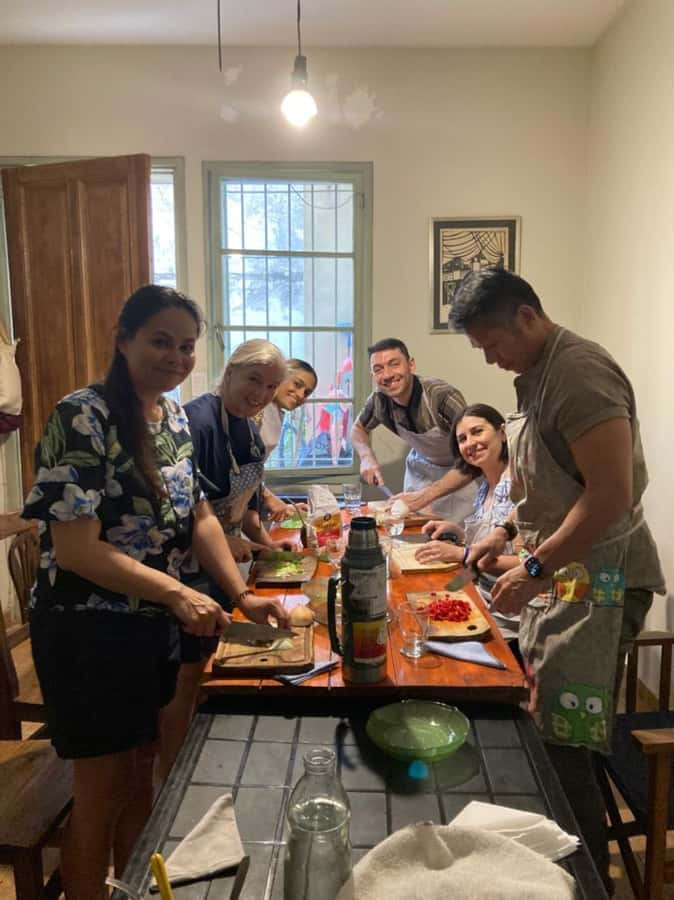
After the empanadas, you turn to alfajores. These beloved Argentine sweets come in many forms, but this class focuses on a soft cookie made with corn starch and filled with dulce de leche.
The preparation gives the class a nice change of pace. Empanadas are savory and practical; alfajores are delicate, sweet, and closely tied to Argentina’s café and pastry culture. You prepare the cookie mixture, shape the pieces, and add the creamy dulce de leche filling.
The best part is that the dessert is not an afterthought. You make it yourself and eat it at the end of the meal. Because the group prepares both the main dish and dessert, you get more than a single recipe for the price.
Dulce de leche is rich and sweet, so the finished alfajores may be the highlight for anyone with a serious sweet tooth. Families also find this part approachable. Teenagers and children have taken part successfully, with the work divided into manageable steps.
One practical point: you are expected to eat the results, so do not arrive after a large meal. The portions are generous enough that some people have had empanadas left over to take away. Containers are not listed as included, so do not count on formal takeaway packaging.
Learning the Mate Ritual at the Table
Mate is not just a drink added for atmosphere. It is a daily Argentine custom with its own preparation and social rules. During the class, you learn how to prepare and drink the herbal infusion in the traditional style.
You also learn about the herbs and the way mate is shared. This gives the cooking lesson a wider cultural frame. You are not only making food associated with Argentina, you are learning how people gather, pause, and connect around something familiar.
The mate portion is especially valuable if you have seen the gourd and metal straw around Buenos Aires but have not understood how they work. The host demonstrates the preparation, and you can take part while the empanada dough and fillings are being organized.
The class includes mate and water. Wine is not included, but it is available for purchase. That arrangement keeps the base price low and lets you decide if you want an alcoholic drink with dinner.
A few more Buenos Aires half-days to weigh up
- Buenos Aires: Private Tango Lesson
★ 4.9 · 244 reviews - Tango Porteño Show with Optional Dinner and Tango Lesson
★ 4.0 · 97 reviews - Buenos Aires – Private Tango lesson
★ 5.0 · 96 reviews - Spanish Group Course in Buenos Aires, Argentina: 20 Lessons
★ 5.0 · 72 reviews
A Three-Hour Evening With Plenty of Conversation
The class lasts three hours, which is enough time to cook, eat, and talk without turning the experience into a rushed demonstration. The sequence moves from introduction and mate to empanada preparation, shaping, alfajor making, and the shared meal.
The social side matters as much as the food. You may be seated with people from several countries, and the small group makes conversation natural. Hosts are involved throughout, helping with the cooking while explaining Argentine customs and answering questions about Buenos Aires.
This is not a silent technical workshop. You should expect conversation, humor, and a relaxed pace. Thomas, in particular, has been praised for being capable and professional without acting like a strict classroom teacher. Sophia has also been noted for her warmth and clear explanations.
The family atmosphere is one of the experience’s strongest features. The household may include more than one host, with one person teaching, another helping with the table, and another keeping drinks moving. That can make the evening feel generous and informal.
The tradeoff is that the class may not suit someone seeking a precise culinary masterclass. Demonstrations can be harder to follow from certain seats, and the instructions may feel informal to a first-time cook. You get a friendly home experience, not a professionally staged training course.
What the $37 Price Really Covers
At $37 per person, the value is strong. The price includes the three-hour cooking class, all ingredients, mate, water, and the meal you prepare. You are paying for food, instruction, a cultural activity, and an evening of conversation in one package.
A restaurant dinner in Buenos Aires might give you empanadas and dessert, but it would not teach you how to make the dough or fold the edge. A formal cooking school might offer more structured instruction, but the home setting and group conversation would likely be different.
The class is particularly good value if you enjoy experiences that continue after the trip. The recipes are shared afterward, although you should confirm that you have received them before leaving. Some participants had to request them later, and one person had to follow the host on Instagram to obtain them.
That small administrative wrinkle is easy to handle. Before you say goodbye, ask where the recipes will be sent and make sure your contact details are correct. If you want to recreate the meal at home, this matters as much as the cooking itself.
Wine costs extra, so bring that into your budget if a glass with dinner is important to you. Otherwise, the included water and mate are enough to keep the meal simple.
Who Will Enjoy This Class Most
I would choose this for anyone who wants food culture with a personal connection. It works particularly well for:
- Couples looking for an evening activity beyond sightseeing
- Solo visitors who enjoy meeting people around a shared table
- Families with older children or teenagers
- Beginners who want to learn a famous Argentine dish without pressure
- Home cooks interested in pastry, folding, and filled dough
- Anyone curious about mate and Argentine household traditions
The class is also suitable for mixed-age groups. A 12-year-old and a 16-year-old both took part successfully with a family group, and a 14-year-old enjoyed making the food from scratch.
You may want to choose another activity if your main goal is a broad tasting of many empanada flavors. The class teaches a small number of core preparations rather than offering a full survey of regional Argentine cooking. It is also less suitable if you dislike communal meals or prefer a quiet, formal cooking lesson.
The experience is wheelchair accessible, and instruction is available in English or Portuguese. Since the group is capped at eight, it should be easier to ask for adjustments or clarification than in a large class.
Practical Details for Your San Telmo Visit
Go to Paseo Colon 1355 in San Telmo at the scheduled starting time and ring the bell. The activity does not list hotel pickup, so plan to make your own way to the meeting point.
Wear something comfortable for a kitchen setting. You do not need professional cooking clothes, and the work is designed for ordinary participants rather than trained chefs. Keep your schedule fairly open around the three-hour block because the meal and conversation are part of the experience, not just an extra after the cooking ends.
The class is offered in English and Portuguese. If you are unsure about a technique, ask the instructor to show it again. This is especially useful when learning the repulgue, where the hand movement is easier to understand by watching closely than by hearing a description.
You can cancel up to 24 hours before the start for a full refund, and the reserve-now, pay-later option allows you to hold a place without paying immediately. Check the available starting times when you book.
Should You Book the Empanada and Alfajor Class?
I would book this class if you want a warm, social evening that connects food with Argentine life. The strongest reasons are the real home setting, the small group, the chance to prepare both a savory dish and dessert, and the introduction to mate.
At $37, it gives you a full meal and useful recipes without the formality of a cooking school. Just keep your expectations realistic: the group is small but the instruction can be informal, the table layout may make some demonstrations harder to see, and you should confirm how the recipes will be delivered.
For a first taste of Argentine food culture in Buenos Aires, this is a very good choice. You leave with full stomach, new kitchen skills, and a better sense of why empanadas, alfajores, and mate matter far beyond the menu.
FAQ
Where does the cooking class meet?
Meet at Paseo Colon 1355 in San Telmo at the starting time and ring the bell.
How long does the experience last?
The class lasts three hours.
What foods will I prepare?
You will prepare Argentine empanadas with savory fillings and alfajores made with corn starch and dulce de leche. You will also learn how to prepare traditional mate.
Is the class available in English?
Yes. Instruction is available in English and Portuguese.
Is the class suitable for vegetarians?
Vegetarian fillings are available, along with a traditional meat option. Ask about the available filling when the class begins.
Is wine included?
No. Wine is available for purchase, but the class includes mate, water, ingredients, and the meal.
Just added around Buenos Aires
- Tango Show at El Querandi with optional Dinner★ 4.2 · 3 reviews
- Wine Tasting in Buenos Aires★ 4.2 · 4 reviews
- Walking Tour: Buenos Aires bookstores★ 4.3 · 12 reviews
- Velez Sarsfield Football Match★ 5.0 · 3 reviews
- Unique Tigre and Delta Private Day Cruise Navegation★ 5.0 · 3 reviews
- Private Underground Tango Immersion★ 5.0 · 31 reviews
- Sailing with Wine Tasting in Buenos Aires★ 5.0 · 50 reviews
- Experience The Essence of Buenos Aires in San Telmo★ 5.0 · 51 reviews
Cooking Classes, compared.

3h Cooking Class in Mendoza with 7 Recipes & Bottomless Drinks
Read our review →
BA: Empanadas and Alfajores Cooking Experience in Palermo
Read our review →
Argentinian Empanadas Cooking Experience in Palermo, Bs As
Read our review →
Private Argentine Cooking Class and Tango Lesson in Buenos Aires
Read our review →
Premium Empanadas Cooking Class & Wine Tasting Experience
Read our review →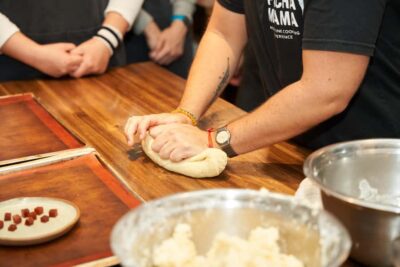
Pachamama – Argentine Cooking Experience in Buenos Aires
Read our review →Browse the lists this tour appears in