

Reviewed · BARILOCHE TOURS
OneWay Journey: from Bariloche, Argentina to Puerto Varas, Chile
The striking thing about this journey is that the Andes crossing happens by boat, bus, boat, and bus, not by one grand cruise. You follow an old route through Argentina and Chile, passing glacial lakes, forested shores, waterfalls, and three snow-covered peaks before arriving in Puerto Varas.
I like the changing scenery, especially the first crossing on Lake Nahuel Huapi and the green-turquoise waters of Lago Frías. I also like that the trip solves a tricky border crossing with land and lake transfers arranged for you. The catch is the length: at about 12 hours, with customs and several changes, this is transportation with scenery rather than a relaxed day cruise.
Key points to know before booking
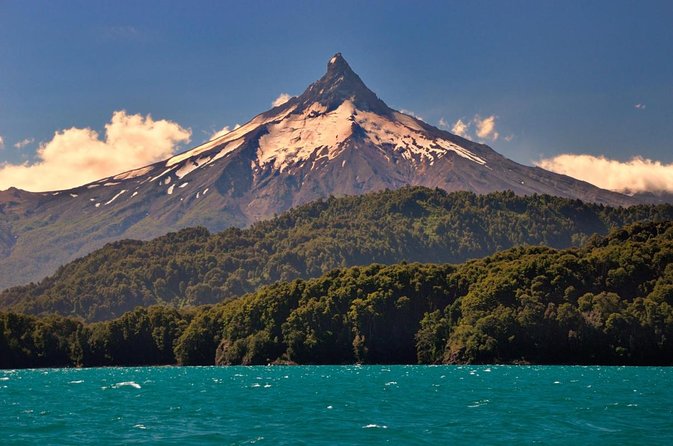
- Three lakes, several transfers: The route uses buses and catamarans across Nahuel Huapi, Lago Frías, and Todos los Santos.
- A full day on the move: The 8:00 am start and roughly 12-hour duration leave little free time.
- The best views come early: Lake Nahuel Huapi usually provides the most memorable sailing, with forest, wildlife, and wide mountain views.
- Bring extra cash: Lunch in Peulla costs about US$25, and port, park, and boarding fees are paid separately.
- Pack for wet weather: Comfortable shoes, sun protection, sunglasses, and waterproof clothing are all useful.
- A practical one-way crossing: You finish in Puerto Varas, but accommodation there is not included.
Why this Andean crossing is more than a transfer
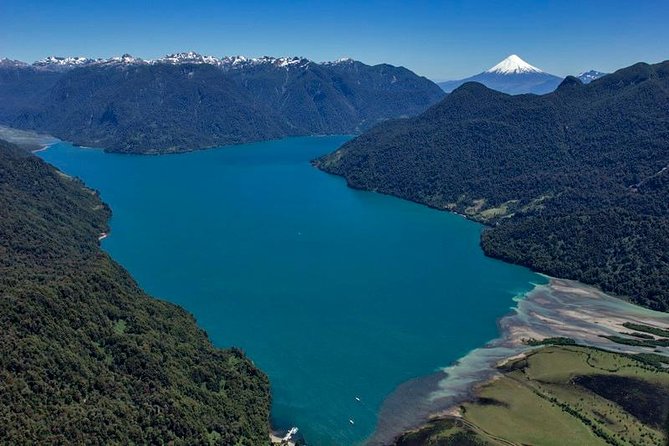
This route links two popular Patagonian bases without putting you on a plane. It passes through the same general corridor used by early inhabitants of Patagonia, though your version is far more comfortable and organized around modern buses, ports, and catamarans.
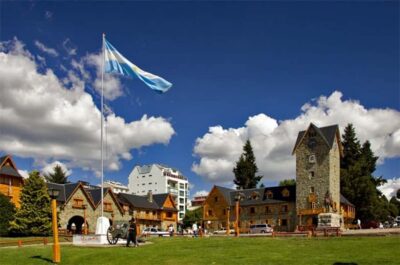
The trip begins in San Carlos de Bariloche, a resort city inside Nahuel Huapi National Park. Its civic center is known for chocolate shops, hotels, and restaurants, and the city works well as a starting point in either summer or winter.
From there, you head toward Puerto Varas in Chile. The route is scenic, but it is not fast. You need to accept a day of movement, waiting, border procedures, and changing vehicles. If your main goal is to reach Chile quickly, a flight may suit you better. If you want the crossing itself to be part of your trip, this gives you a memorable way to do it.
The group size is capped at 14 people, which is a useful middle ground. You are not joining a huge coach party, but you should still expect shared boats and scheduled transfers rather than a private trip.
A few more Bariloche half-days to weigh up
- Bariloche: 7 Lakes & San Martin de Los Andes Road Trip
★ 4.5 · 624 reviews - Bariloche: Circuito Chico with optional Cerro Catedral
★ 4.5 · 316 reviews - Bariloche: German Immigration and History Walking Tour
★ 4.8 · 169 reviews
From Bariloche to Puerto Pañuelo
Pickup begins at about 8:00 am in Bariloche. The first portion takes you toward Puerto Pañuelo, a lakeside port about 25 kilometers from the city. This is where the water portion of the crossing begins.
Bariloche deserves more than a rushed glance if you have not already explored it. The city sits within Nahuel Huapi National Park and combines mountain scenery with a distinctly European-style center, complete with traditional chocolate houses. Still, on this journey, the city is mainly your launch point.
At Puerto Pañuelo, expect a boarding fee of about US$3.50 or AR$500, payable in cash. The amount can change under local authority rules, so do not count on the exact figure remaining fixed. This is one of several small extras that make the final price higher than the headline fare.
The port stop is listed as about one hour. Keep your documents and bags close, and do not pack your passport in your checked suitcase. You will need it later for the Argentina-Chile border process.
Sailing across Lake Nahuel Huapi
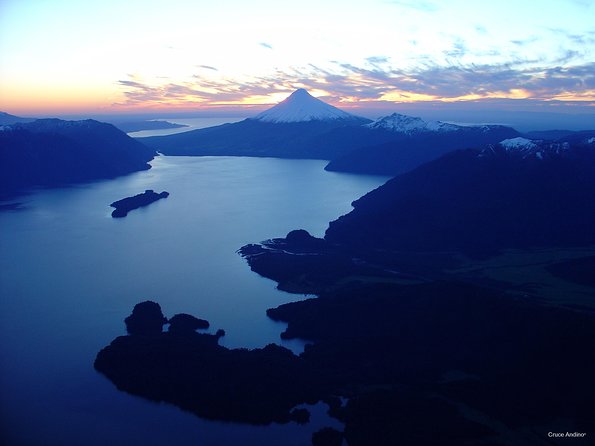
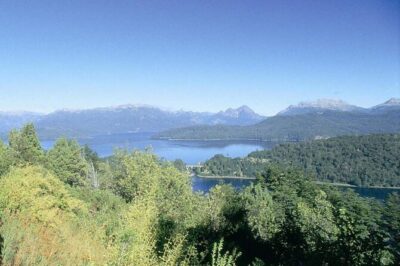
The first lake crossing is the strongest part of the day for many people, and I can see why. Lake Nahuel Huapi is broad and dramatic, with forested shores, changing light, birds, and mountain views. Condors, eagles, deer, and other wildlife live in the wider area, though sightings are never guaranteed.
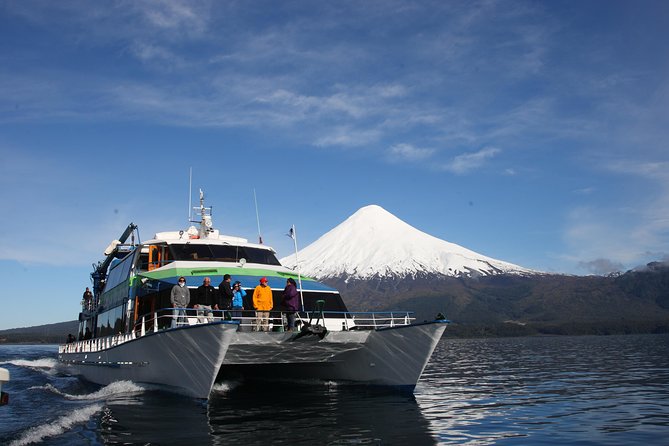
This is the time to use your camera and binoculars. The water and surrounding peaks can look very different in sun, cloud, or rain. One useful feature of the route is that you are not trapped in a vehicle for the whole day. You can take in the scenery from the catamaran, then warm up or dry off inside if the weather changes.
The sailing lasts about two hours. Bring sunblock and sunglasses even if the morning begins cloudy. Water reflects a lot of light, and conditions can shift quickly in the mountains.
I would not count on an elaborate onboard meal. Food and drinks are not included, and the later lunch stop can occur as late as mid-afternoon depending on the timing of the crossings and customs. Pack snacks. This is simple advice, but it can make a long day much easier.
The Frías River and the green waters of Lago Frías
After the first lake, the route changes character. Native forests and Patagonian waterways lead you toward the point where the green waters of the Frías River meet the blue waters of Lake Nahuel Huapi. This is one of those brief transitions that rewards you for paying attention between transfers.
Lago Frías is the smallest of the three lakes on this route. Its green-turquoise color comes from glacial meltwater, giving it a different appearance from Nahuel Huapi. The surrounding cold forest belongs to the Valdivian Forest, a type of forest found in relatively few places around the world.
At Puerto Frías, you spend about 20 minutes and complete the Argentina-Chile border procedures. This stop is short in the schedule, but customs can affect the pace of the whole day. Keep your passport accessible, follow instructions from the guide, and expect the timetable to be an estimate rather than a promise.
The border process is part of the practical value of this experience. You do not have to arrange separate transport between remote ports or figure out the crossing alone. The tradeoff is that the schedule depends on official procedures, boat operations, and the movement of the whole group.
Same city, a completely different kind of day:
- San Martín de los Andes por 7 Lagos
★ 4.4 · 155 reviews - Circuito Chico
★ 4.5 · 146 reviews - Bariloche Small Circuit: Mt Campanario and Llao Llao Peninsula
★ 4.0 · 142 reviews - Fly Fishing Trips in Bariloche
★ 5.0 · 137 reviews
Bus connections and the lunch stop in Peulla
Peulla is a small ecological village in Chile and the main lunch stop. The schedule allows about two hours here, but the actual meal timing may feel late. Lunch is not included and costs around US$25 per person.
I would bring a packed meal or extra snacks even if you plan to eat in Peulla. The lunch stop may not happen until around 2:30 or 3:00 pm, particularly if customs takes longer than expected. You can still enjoy the meal, but you do not want to spend the morning hoping the next stop comes soon.
Peulla has a quieter feel than the larger towns at either end of the journey. Its recognition as a sustainable location adds interest, but you should not expect a long village visit. This is a practical pause between transport sections, with time to eat, stretch your legs, and prepare for the next lake.
The bus portions are the least exciting part for many people. They are necessary links between the ports, and some stretches can feel slow after the excitement of the first cruise. I recommend a book, downloaded music, or simply treating the ride as downtime. The reward comes when you reach the next shoreline.
Two hours on Lago Todos los Santos
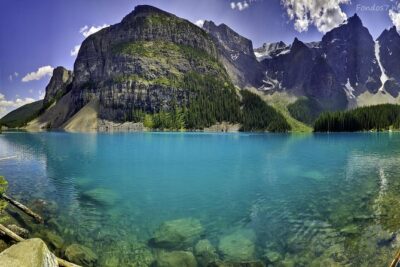
The final major water crossing is Lago Todos los Santos, known for its emerald-colored water and forested hills. The sailing lasts about two hours, and the catamaran provides the best chance to enjoy the scenery without being confined to a road.
You may see waterfalls along the shore and, when clouds cooperate, three major snowy peaks: Mount Tronador, Osorno Volcano, and Puntiagudo. These views are weather dependent. Rain does not ruin the crossing, since you can still enjoy the route from the boat and bus, but low cloud can hide the peaks completely.
This lake is beautiful, though I would set expectations carefully. Some people find the first lake more impressive, while the second lake can feel less dramatic in poor weather. That difference matters if you are considering doing this as a round-trip day excursion from Bariloche. For a one-way journey, however, Todos los Santos gives the crossing a strong final scenic section.
Bring waterproof clothing rather than relying on a small umbrella. Comfortable shoes also help, since the day involves moving between buses, boats, ports, and waiting areas. You are not hiking a long trail, but you are on your feet often enough for flimsy footwear to become annoying.
Arriving in Puerto Varas
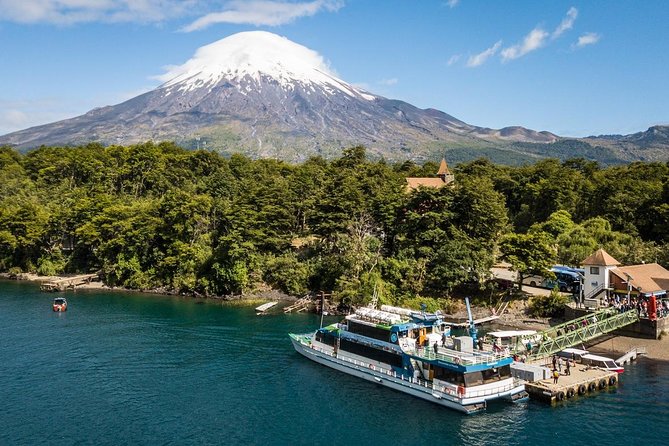
The journey ends in Puerto Varas, a Chilean city near Puerto Montt. It is a useful base for exploring the nearby lake district, including Frutillar and the volcano views around Osorno and Calbuco.
Puerto Varas is not simply a drop-off point. It has its own food and wine scene, and the area is known for German pioneer influence, which appears in local customs and culture. If you have time after arrival, the city gives you a softer landing after a very busy day.
Accommodation in Puerto Varas is not included. You need to reserve your own stay before booking this crossing. One unhappy passenger found the hotel drop-off confusing and had to carry luggage across town and up a steep hill. Since hotel pickup and drop-off are advertised as included, I would confirm the exact arrival address with the operator before departure, especially if your lodging is not in the standard drop-off area.
That small check can prevent a frustrating finish. A long day is easier to accept when you know exactly where your bags and your feet will end up.
What the $347 price really covers
The listed price is about $347 per person. That is a substantial fare, but it includes the main land and lake transfers, a driver-guide, and transport for one suitcase up to 23 kilograms plus one carry-on up to 10 kilograms.
The price also saves you from arranging several separate connections across two countries. That matters here because the route uses remote ports and includes a border crossing. You are paying for coordination as much as for the boats.
Still, the fare is not all-inclusive. Plan for:
- Lunch and drinks, with lunch in Peulla listed at about US$25
- Puerto Pañuelo boarding or port fees
- Nahuel Huapi National Park fees, listed as about US$3.50 or AR$500 in cash
- Other port, migration, or national park charges
- Your accommodation in Bariloche and Puerto Varas
At this price, I would book it for the route and the convenience, not because it is a cheap way to get from Argentina to Chile. The value improves if you want scenic transport and dislike organizing multiple buses, boats, and border steps. It weakens if you only need a fast point-to-point transfer.
Comfort, weather, and the pace of the day
The boats and buses are described as comfortable, and the small group limit helps keep the process manageable. Even so, comfort does not change the basic shape of the day. You will sit, stand, wait, board, disembark, clear customs, and board again.
Rain is common enough that you should prepare for it. Waterproof clothing lets you enjoy the open decks and port stops without spending the day damp. Clear weather can bring superb views, but the experience remains worthwhile in rain because much of the route can be seen from sheltered seating.
Guiding can vary by language and group. If you are the only English speaker, commentary may be given first in Spanish, with the guide providing you a separate explanation. That can be harder to hear near the engine, so stay close to the guide when possible and ask for key information to be repeated clearly.
The route also raises a small environmental concern. Feeding seagulls with crackers may seem harmless, but food dropped into the lakes can affect local ecosystems. I would skip the feeding and enjoy the birds without encouraging them.
Who should book this crossing?
I would recommend it to you if you want the journey between Bariloche and Puerto Varas to be one of the highlights of your Patagonia trip. It suits people who value scenery, like meeting other passengers, and can handle a long day with several changes.
It is less suitable if you have limited mobility, dislike border procedures, need a precise arrival time, or find long bus rides dull. The information says most people can participate, but it does not promise a relaxed pace or a fully accessible route.
You should also think about timing. Since the start is at 8:00 am and the trip lasts roughly 12 hours, book a room in Puerto Varas for the night of arrival. Do not assume you will have the energy for a late onward connection.
Cancellation is free when you cancel at least 24 hours before the local start time. Changes or cancellations inside that window are not refunded, so check your Chile accommodation and border-entry details before the deadline.
Should you book the Bariloche to Puerto Varas crossing?
Book it if you want a memorable cross-border journey and have a full day to give it. The first Lake Nahuel Huapi cruise, the glacial colors of Lago Frías, and the volcano views around Todos los Santos make this far more interesting than a routine transfer.
Skip it if your priority is speed, low cost, or a predictable schedule. You may prefer to enjoy a shorter lake excursion from Bariloche and fly to Chile instead.
My practical choice would be to book the one-way crossing when the route itself matters to you. Pack food, cash, waterproof layers, and patience. Confirm your Puerto Varas drop-off point. Then let the buses and boats carry you through one of the most unusual links between Argentina and Chile.
FAQ
How long does the Bariloche to Puerto Varas journey take?
The experience lasts approximately 12 hours. It begins at about 8:00 am and includes several boat crossings, bus transfers, and border procedures.
What lakes do you cross?
The route includes Lake Nahuel Huapi, Lago Frías, and Lago Todos los Santos. Each has different scenery, from wide mountain water and native forest to glacial colors and emerald water.
Is lunch included?
No. Lunch and drinks are not included. A lunch stop takes place in Peulla, where the listed cost is about US$25 per person.
Are hotel pickup and drop-off included?
Hotel pickup and drop-off are listed as included. Since one passenger reported difficulty with the final drop-off, confirm the exact pickup and arrival addresses with the operator before departure.
How much luggage can I bring?
The included allowance is one suitcase weighing up to 23 kilograms and one carry-on weighing up to 10 kilograms.
Do I need my passport to book?
Yes. The passport name, number, expiry date, and country are required for every participant at booking.
What should I wear and bring?
Bring sunblock, sunglasses, comfortable shoes, and waterproof clothing. You should also carry cash for port, park, and boarding fees, plus snacks in case the late lunch stop does not suit you.
Just added around Bariloche
- Road of the Seven Lakes from San Martin de los Andes★ 4.5 · 32 reviews
- 10 Secrets of Bariloche, Nahuel Huapi, and Patagonia★ 5.0 · 46 reviews
- Kayak paddling adventure around Bariloche★ 5.0 · 49 reviews
- Half a day of kayaking on the Nahuel Huapi lake in private service★ 5.0 · 53 reviews
- Full Day Cerro Tronador: Eternal Snow and Hanging Glaciers★ 4.5 · 43 reviews
- Navigation through Isla Victoria and Bosque de Arrayanes★ 4.4 · 9 reviews
- From Bariloche: Half-Day Circuito Chico Sightseeing Tour★ 4.3 · 9 reviews
- From Bariloche: San Martin de los Andes and 7 Lakes Circuit★ 4.6 · 22 reviews
Bariloche Tours, compared.

Bariloche Small Circuit: Mt Campanario and Llao Llao Peninsula
Read our review →
Browse the lists this tour appears in