
Reviewed · WORKSHOPS
Buenos Aires: Mate Workshop y Otras Yerbas
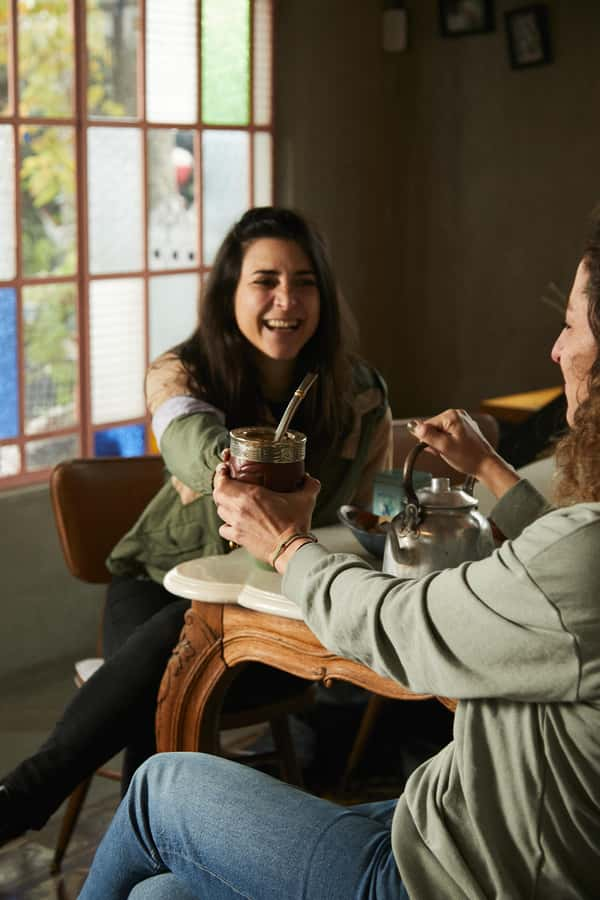
Mate is not simply a hot drink in Argentina. It is a social ritual, a welcome, and often the first thing offered when you enter someone’s home. This 60-minute workshop in Recoleta gives you a friendly way to understand that ritual through stories, tasting, and practice with Vale and Juli of Carpincha.
I like the chance to compare four types of yerba mate, rather than sampling one prepared cup and calling it a lesson. I also like the food pairing: medialunas, biscochitos, and alfajores make the tasting feel like a shared Argentine snack, not a classroom exercise.
The main consideration is the short running time. An hour is enough for a clear introduction, but not for an exhaustive look at cultivation, regional differences, or every brewing style. At $50 per person, this makes the most sense if you want personal cultural context, not just a quick drink.
Key points to know before booking
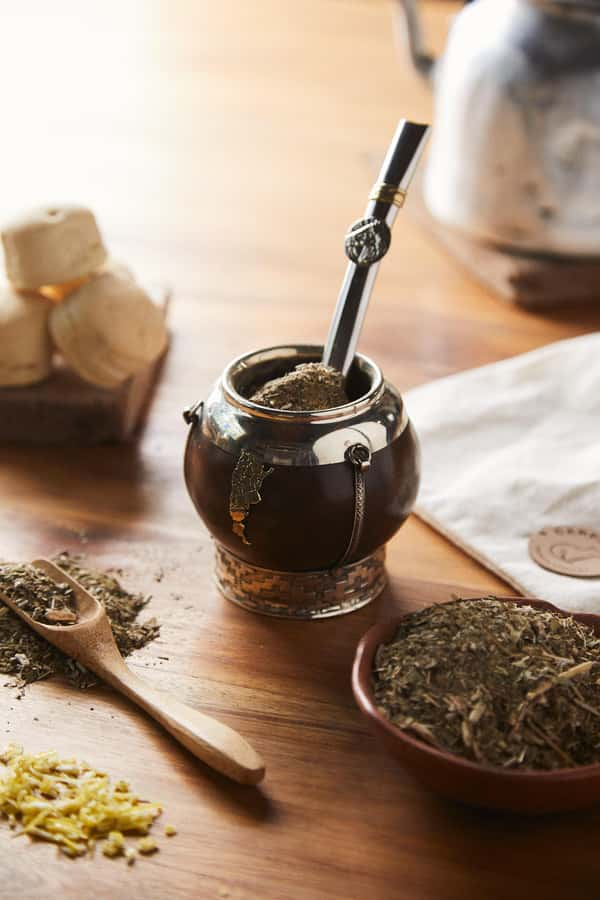
- Four yerbas in one sitting: Compare different types of yerba mate and learn about variety, cultivation, and production.
- A hands-on mate lesson: You receive one mate to use during the meeting and learn how to prepare it yourself.
- Stories behind the ritual: Vale and Juli explain mate customs, myths, legends, family anecdotes, and its role in Argentine identity.
- Classic pastries included: Medialunas, biscochitos, and alfajores accompany the tasting.
- Convenient Recoleta setting: The meeting takes place in Recoleta, with no transportation included.
- Flexible booking terms: You can cancel up to 24 hours ahead for a full refund and reserve now while paying later.
Why mate matters before you taste it
The best reason to take this workshop is that it explains the social meaning behind the equipment in your hand. A mate is the small vessel used for the drink, while a bombilla is the metal straw used to sip it. Yerba mate is the dried plant placed inside the mate before hot water is added.
That basic vocabulary helps, but the larger lesson is about connection. In Argentina, offering mate can be a simple sign of welcome. The ritual carries family habits, personal preferences, and unwritten rules that are easy to miss if you only order a mate in a café or buy a souvenir gourd.
Carpincha presents the session as a poetic look at customs and rituals. That wording suggests a personal, story-led format rather than a technical lecture. Vale and Juli aim to connect the drink with Argentine identity, family life, and shared time.
I find that approach useful for a short activity. You do not need to know anything about mate before arriving. You can ask basic questions, hear the background, and then use the tasting to understand why the drink matters.
A few more Buenos Aires half-days to weigh up
- Buenos Aires: Empanadas and Alfajores Guided Cooking Class
★ 4.8 · 486 reviews - Buenos Aires: Private Tango Lesson
★ 4.9 · 244 reviews - Buenos Aires: Empanada & Alfajor Cooking Lesson in Palermo
★ 4.6 · 186 reviews
Meeting Vale and Juli in Recoleta
The workshop takes place in the Recoleta area of Buenos Aires. The exact meeting point is not provided in the activity details, so you should check the booking information carefully before setting out. Transportation to the meeting place is not included.
Recoleta is a practical base for this kind of city experience because many visitors already spend time there for its museums, cafés, and historic sights. You will need to make your own way to the meeting, but the activity itself is only 60 minutes, so it can fit before or after another Buenos Aires plan.
The language options are English and Spanish. Some material may be shown in its original language, so ask questions if a phrase or story moves too quickly. The hosts are described as Vale and Juli, while one personal account specifically praises Julieta’s kindness and empathy. That suggests you can expect a warm, conversational tone, though the exact host lineup may depend on the date.
There is no stated group size. Because of that, I would not book this expecting either a private lesson or a large demonstration. The format is built around sharing mate and asking questions, so the size of your particular meeting may affect how much individual attention you receive.
The opening lesson: history, customs, and identity
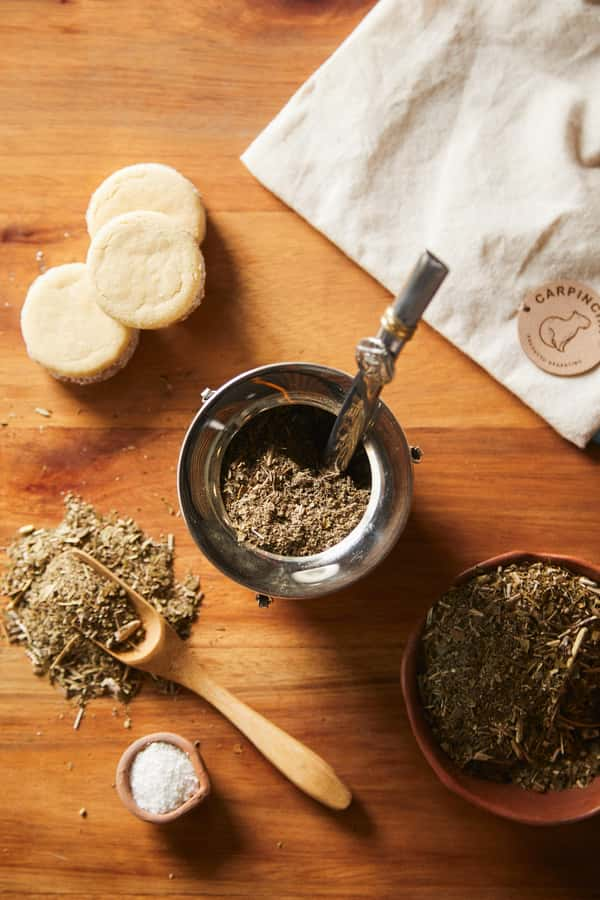
The first part of the activity covers the history and importance of mate for Argentines. You will hear about its origin, cultivation, production, and place in daily customs.
The subject has plenty of angles. Mate is connected to the plant itself, the preparation method, the vessel, the bombilla, and the social act of passing the drink around. Carpincha also includes myths, legends, and anecdotes, which should help prevent the session from feeling like a dry list of dates and facts.
This is where the workshop has more value than a simple tasting. You learn why the drink is offered, how families develop their preferences, and how the ritual can express hospitality. One of the strongest themes is the idea that a visit to an Argentine home can quickly turn into a mateada, a shared session of drinking mate.
The hosts also answer questions clearly. That matters because many newcomers have the same practical concerns: how to hold the mate, where to place the bombilla, how much water to use, and what makes one preparation different from another. The experience is designed to address those points while placing them in a cultural setting.
Do not expect a full academic history of yerba mate in one hour. The workshop is better suited to giving you a useful foundation and a feel for the ritual. If you want detailed agricultural science or a tour of a plantation, this is not that kind of activity.
Comparing four types of yerba mate
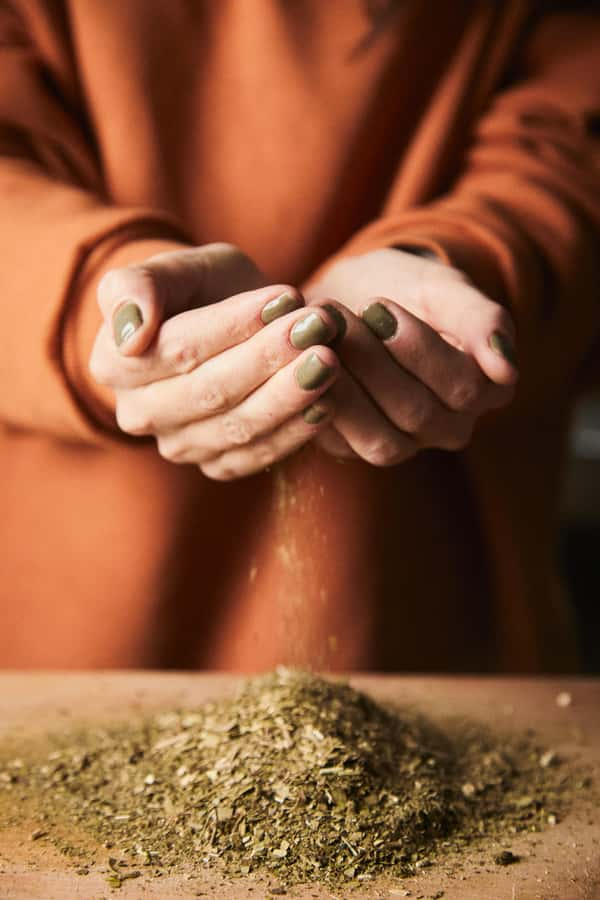
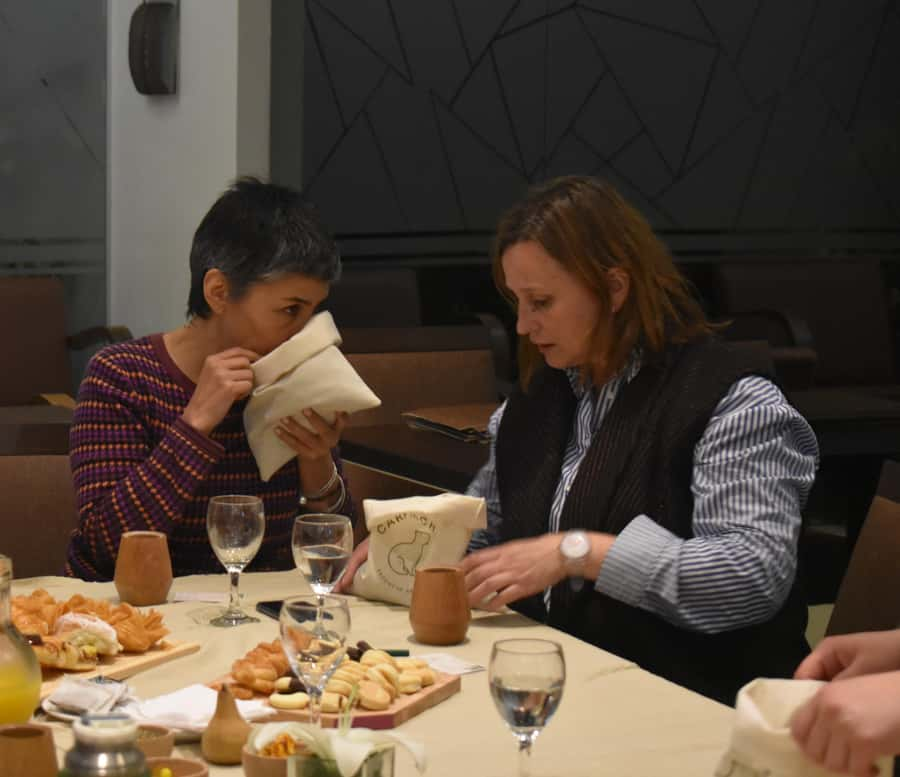
The tasting is the heart of the experience. You sample four types of yerba mate and discuss differences in variety, cultivation, and production.
That comparison is valuable because mate is not one fixed flavor. Different yerbas can vary in strength, texture, bitterness, and balance. The supplied information does not give the names of the four varieties, so you should not book expecting a specific brand or regional lineup.
You will have a chance to notice how the plant itself shapes the drink before you add personal flavor combinations. The hosts also share tips for preparing a better mate, giving you a practical way to connect the tasting with the brewing lesson.
I like this setup because it avoids treating mate as a single exotic novelty. You are encouraged to compare, question, and form your own preference. Someone who finds one cup too strong may discover another style that feels easier to enjoy. Someone already familiar with mate can focus on the differences between the samples.
The quality of the yerba provided has been particularly well received. That is important at a tasting, since low-quality ingredients would make it hard to understand what you are sampling. Still, the activity does not specify whether you can buy the yerbas afterward, so ask the hosts if you want a particular type to take home.
Same city, a completely different kind of day:
- Buenos Aires Hop-On Hop-Off Bus, Free Walking Tours & Discounts
★ 4.5 · 2,218 reviews - Buenos Aires: Piazzolla Tango Show with Optional Dinner
★ 4.4 · 2,122 reviews - Buenos Aires: City Highlights Guided Tour with Transfer
★ 4.7 · 1,946 reviews - Buenos Aires: Hop-On Hop-Off City Bus Tour
★ 4.2 · 1,855 reviews
Preparing your own mate
Each person receives one mate to use during the meeting. You will learn how to prepare your own drink and try possible yerba and flavor combinations.
This hands-on part makes the session more useful after you leave. You are not only watching Vale and Juli prepare a drink. You are practicing the basic process yourself, with the chance to ask about mistakes and adjustments.
The supplied details do not spell out every brewing step, so I would avoid expecting a formal recipe card or a take-home kit. The clear promise is that you will learn how to brew your own mate during the meeting and receive a mate for use in the activity.
Mate preparation can look simple, but small choices affect the result. The amount of yerba, the way it sits in the vessel, the position of the bombilla, and the water temperature all matter. The hosts frame these details as tips for making better mates, which should be useful if you want to repeat the ritual in your accommodation or at home.
You should also be ready for the social side of the drink. This is not presented as an individual tasting where you silently compare samples. The emphasis is on a mateada, a shared experience. If you prefer quiet, private sampling, the communal format may feel less comfortable.
Medialunas, biscochitos, and alfajores
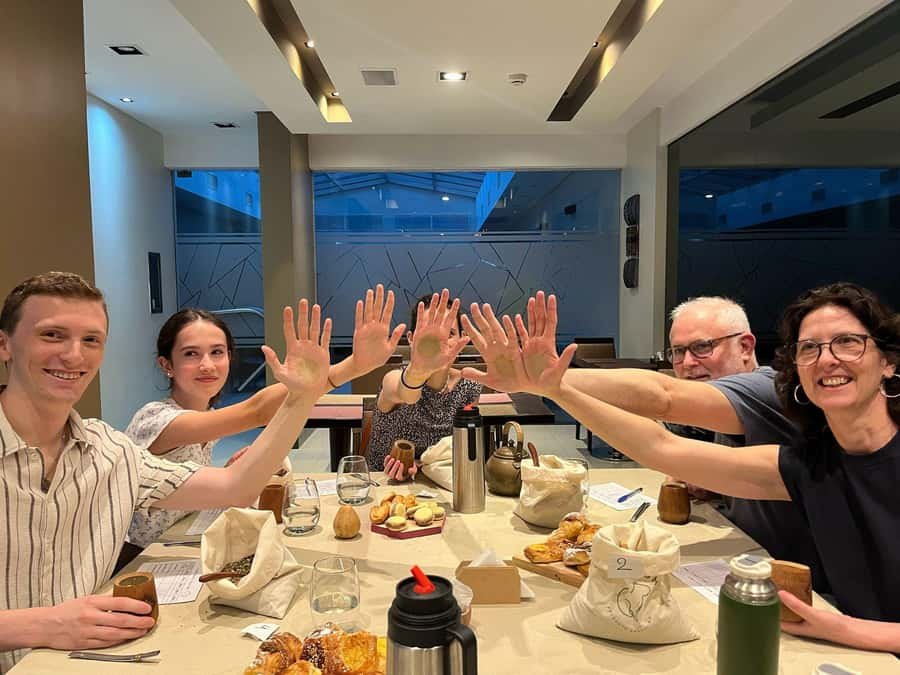
The workshop includes sweet Argentine pastries to accompany the yerba. The selection includes medialunas, biscochitos, and alfajores.
Medialunas are crescent-shaped pastries often associated with breakfast or a café snack. Biscochitos are small biscuits, and alfajores are sandwich cookies with a sweet filling. Together, they give you a taste of familiar Argentine treats while you drink the mate.
The food is not just a bonus. Mate can have a strong or bitter edge, and a small pastry gives your palate a break between samples. It also makes the gathering feel more like a visit with friends than a product demonstration.
The pastries have been praised for taste and for adding to the sense of place. The information does not mention vegetarian, vegan, gluten-free, or allergy-friendly alternatives, so contact the provider before booking if you have dietary restrictions. Do not assume that every pastry will suit your needs.
You will not be paying only for snacks. The food supports the social ritual being explained, but the main value comes from the four yerba samples, instruction, and cultural background.
What the $50 price means
The listed price is $50 per person for one hour. That is not a bargain if you measure the experience only by the amount of food or drink. You are paying for a guided cultural introduction, a mate for use during the workshop, four yerba samples, brewing instruction, pastries, and time with hosts who can answer questions.
I would compare it with the cost of a casual snack and drink in Buenos Aires only if your goal is refreshment. A café visit will likely give you more time for less money, but it will not explain mate’s history, customs, production, flavor differences, and social rules in one organized sitting.
The value is strongest for a first visit to Argentina, for anyone curious about local food traditions, and for people who want an activity they can discuss with hosts rather than simply observe. It is also useful for a mate beginner who wants to avoid buying equipment and yerba without knowing what to do with them.
The value is weaker if you already know how to prepare mate and regularly drink several kinds of yerba. In that case, the stories and cultural discussion may still interest you, but the practical lesson could repeat what you know.
Who will enjoy this one-hour format
I would recommend this experience to you if you want a compact cultural activity between larger Buenos Aires plans. The one-hour duration is easy to fit into a day, and the Recoleta location may work well alongside sightseeing in that part of the city.
It suits couples, solo visitors, and small groups who enjoy food traditions and personal stories. It can also work for people who do not drink alcohol, since the activity focuses on yerba mate and pastries. Alcohol and drugs are not allowed, and weapons or sharp objects are prohibited.
The English and Spanish instruction makes the workshop accessible to many international visitors. If you understand Spanish, you may enjoy the original expressions and family stories more directly. If you prefer English, you can still ask questions and follow the core lesson.
The activity is wheelchair accessible. The available information does not describe seating, restroom access, or the exact meeting layout, so contact Carpincha if you need specific accessibility details.
Booking details that affect your plans
The meeting takes place in Recoleta, and transportation is not included. Plan your route before the start time rather than assuming the activity begins at a central hotel or tourist office. Starting times vary, so check availability when you choose your date.
You can reserve now and pay later, which helps if your Buenos Aires schedule is still changing. Free cancellation is available up to 24 hours in advance for a full refund.
The session lasts 60 minutes. That includes the masterclass, yerba tasting, brewing instruction, and pastries, so the pace may be fairly brisk. Arrive ready to listen and participate rather than expecting a long, slow tea ceremony.
The activity has received a top rating across three verified bookings. The strongest praise focuses on the hosts’ clarity, warmth, enthusiasm, the quality of the herbs, and the pastries. I would treat that as a good sign about the human side of the meeting, while remembering that three ratings cannot tell you how every future session will run.
Should you book the Carpincha mate workshop?
Book it if you want to understand why mate matters in Argentina, not just taste it. The combination of four yerbas, hands-on brewing, family anecdotes, and classic pastries gives you more context than a quick sample at a café.
At $50, it is a focused cultural purchase rather than a cheap snack. I think it earns its price for first-time mate drinkers and curious food lovers, especially if you value clear explanations and a warm host-led setting.
Skip it if you want a long agricultural tour, a full meal, or advanced mate training. The one-hour format gives you a lively introduction, but it cannot cover every regional style or brewing method. For most visitors who want a friendly way into one of Argentina’s central rituals, Carpincha offers a useful and enjoyable hour in Recoleta.
FAQ
Where does the mate workshop take place?
The meetings take place in the Recoleta area of Buenos Aires. Transportation to the meeting place is not included.
How long does the experience last?
The workshop lasts 60 minutes, or one hour.
How much does the workshop cost?
The listed price is $50 per person.
What languages are available?
The instructor languages are English and Spanish. Some content may be shown in its original language.
How many types of yerba mate will I taste?
You will taste four types of yerba mate and learn about their variety, cultivation, and production.
Is a mate included for each person?
Yes. Each person receives one mate to use during the meeting and learns how to prepare mate.
What food is included?
The experience includes Argentine pastries such as medialunas, biscochitos, and alfajores.
Can I cancel the booking?
Yes. You can cancel up to 24 hours in advance for a full refund. You can also reserve now and pay later.
Just added around Buenos Aires
- Tango Show at El Querandi with optional Dinner★ 4.2 · 3 reviews
- Wine Tasting in Buenos Aires★ 4.2 · 4 reviews
- Walking Tour: Buenos Aires bookstores★ 4.3 · 12 reviews
- Velez Sarsfield Football Match★ 5.0 · 3 reviews
- Unique Tigre and Delta Private Day Cruise Navegation★ 5.0 · 3 reviews
- Private Underground Tango Immersion★ 5.0 · 31 reviews
- Sailing with Wine Tasting in Buenos Aires★ 5.0 · 50 reviews
- Experience The Essence of Buenos Aires in San Telmo★ 5.0 · 51 reviews
Workshops, compared.


3h Cooking Class in Mendoza with 7 Recipes & Bottomless Drinks
Read our review →
Tango Porteño Show with Optional Dinner and Tango Lesson
Read our review →
Spanish Group Course in Buenos Aires, Argentina: 20 Lessons
Read our review →
Browse the lists this tour appears in