

Reviewed · WINE TOURS
From Salta: Local Landscape, Winery, and Culture Tour
The biggest draw here is the sheer variety: red-rock gorges, white salt flats, cactus-covered highlands, colonial villages, indigenous culture, and Argentinian wine all fit into one four-day program. I especially like the winery visit in Cafayate and the chance to see both Salinas Grandes and the Hill of 7 Colors, two very different Andean spectacles.
I also like that the tour gives you real time in towns such as Cachi, Purmamarca, and Tilcara, rather than treating them as quick photo stops. The main tradeoff is the road time. Expect about two hours on lower-quality dirt roads, followed by another two hours on the highway during one return journey, so this is not a good match for anyone with back problems.
Key points to know before booking
- Four full sightseeing days from Salta: Each excursion begins and ends in Salta, with the order subject to agency availability.
- Cafayate includes a winery visit: You can sample Argentinian wines, including the country’s distinctive Torrontés.
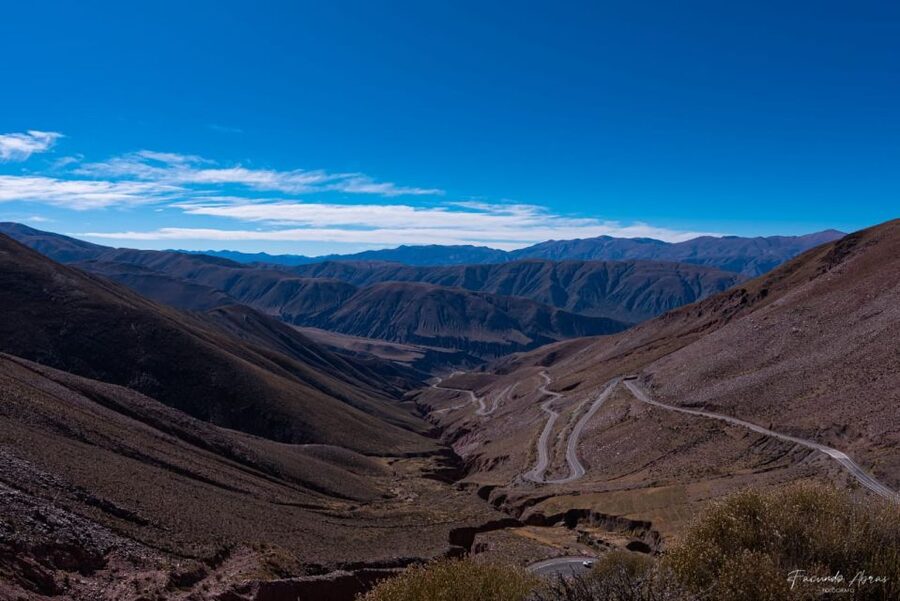
- The Andean roads are part of the experience: Cuesta del Obispo and Cuesta del Lipan deliver superb views, but both involve winding travel.
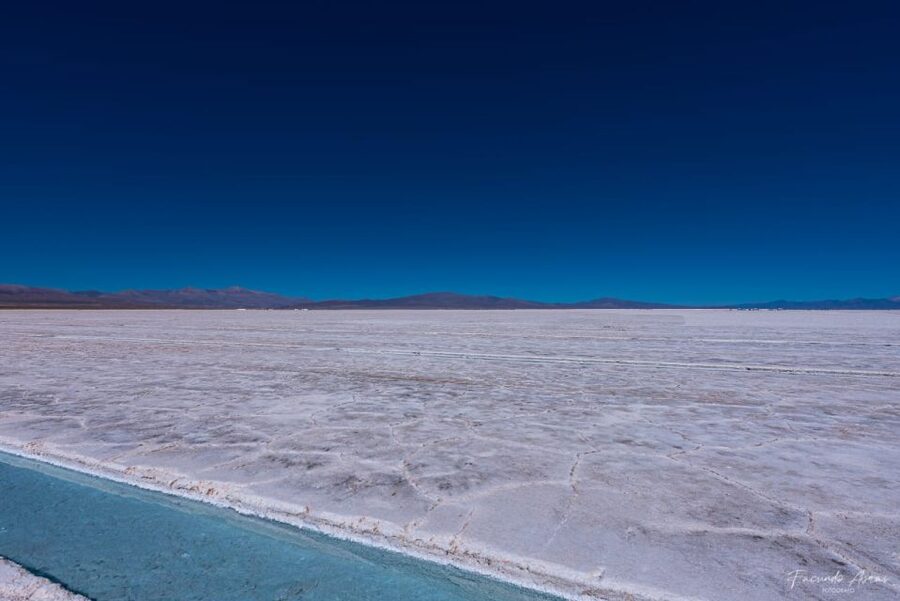
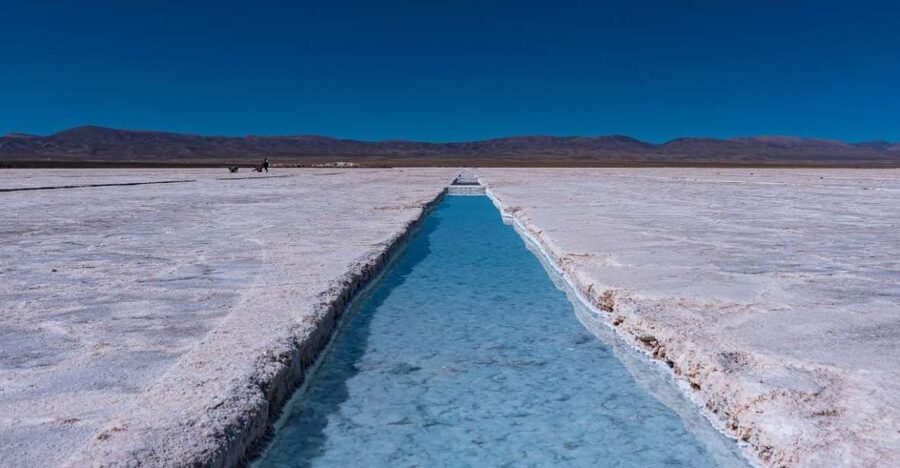
- Salinas Grandes is a major highlight: You get free time on one of Argentina’s best-known salt flats.
- Historic towns add local character: Cachi, Purmamarca, Tilcara, and Humahuaca bring churches, craft stalls, museums, and indigenous heritage.
- Lunch is not included: Plan to pay separately in Cachi, Purmamarca, or another town on the day’s route.
A four-day introduction to Salta Province
This tour works best if you want to see a large portion of northern Argentina without arranging several separate day trips. You travel by air-conditioned minivan with a certified guide who speaks English and Spanish, and hotel pickup is included for downtown hotels.
The advertised price is $130 per person. For four days of transportation, guiding, winery entry, and several major sights, that offers good value, particularly if you want one booking to cover the main routes west and north of Salta. Lunch costs extra, and the long drives mean the value depends on your priorities. If you prefer slow travel with long meals and extended walks, the schedule may feel busy. If you want broad coverage, it makes sense.
Pickup can take place within 40 minutes after your selected starting time, so you should be ready at your hotel rather than waiting until the exact time. The order of the four excursions can change according to the agency’s availability, but the major stops remain the same.
More Wine Tours in Salta
- From Salta: Full-Day Tour to Cafayate with Wine Tasting
★ 4.5 · 478 reviews - Full-Day Tour Cafayate Calchaqui Valleys with Wine
★ 4.5 · 347 reviews - From Salta: Cafayate, land of wines and imposing ravines
★ 4.4 · 347 reviews
Day one: red rock and Torrontés in Cafayate
The first route follows the Lerma Valley, where farms and tobacco plantations give you an early look at the area around Salta. The scenery then shifts as you pass Alemania and enter the red-rock formations of La Quebrada de las Conchas.
This is one of the most visually dramatic parts of the trip. The road passes formations with memorable names such as Devil’s Throat and the Parrots’ House. The names are not the only attraction. The rock walls, strange shapes, and changing colors make this a route where you will want your camera ready, though the exact stop pattern can depend on the guide and road conditions.
Cafayate adds a different pleasure. At a local winery, you learn about the regional wine industry and taste several Argentinian wines. The key pour is Torrontés, a fragrant white variety associated with Argentina. If you know little about the country’s wine, this stop gives you useful context instead of reducing the visit to a quick tasting.
You return to Salta by a different-looking route, so the day does not simply repeat the outward journey. The downside is that this is a road-heavy outing. You should enjoy looking out of the window and be comfortable spending much of the day seated.
Day two: Cuesta del Obispo and Cachi
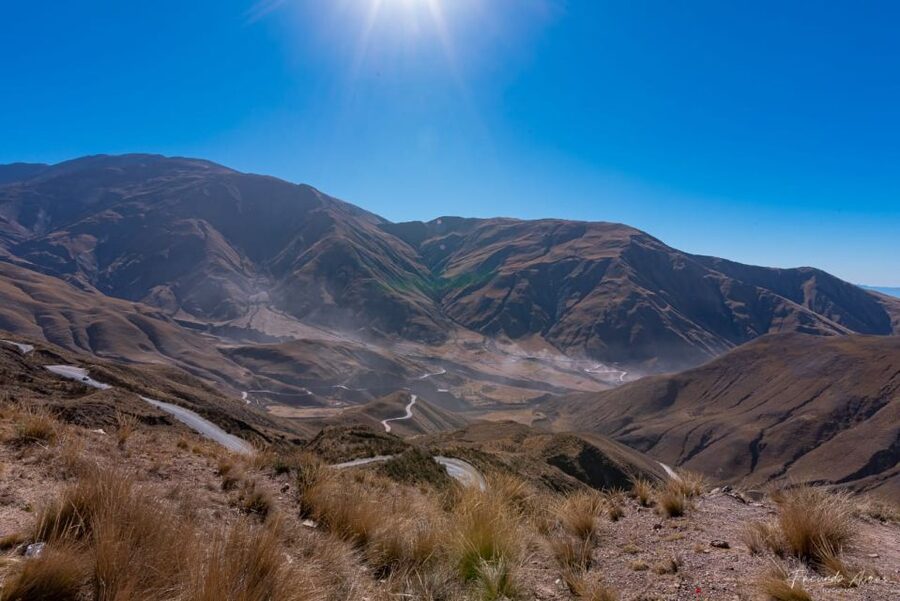
Day two heads toward Provincial Route 33 and the Escoipe River gorge. The route through Los Laureles and up the Cuesta del Obispo is known for its sharp turns and mountain views. This is scenic road travel in the fullest sense, but it is not a gentle ride.
The Cuesta del Obispo climbs toward higher ground through rock formations and open Andean views. The winding road is part of the appeal, yet anyone prone to motion sickness should prepare carefully. The tour information specifically warns against joining if you have back problems, and that warning matters here.
You then enter Parque Nacional Los Cardones, named for its large number of cardon grande cactus plants. These tall cacti give the park its own visual identity. The combination of dry mountain terrain, open sky, and upright cactus forms is very different from the red gorge around Cafayate.
Cachi is the day’s best chance to slow down. You have free time to find lunch, walk through streets lined with colonial architecture, visit the church on the central plaza, or look through a museum about local history. Shops also give you a chance to find a souvenir without the pressure of a quick roadside stop.
I like this part of the program because Cachi is not treated only as a meal break. You can choose how to use your time. The limitation is that the amount of time in town is not specified, so do not assume you can cover every shop, church, and museum before the return journey.
Day three: Purmamarca, Tilcara, and old Andean traditions
The third outing brings you to Purmamarca, one of the most recognizable villages in the region. The Hill of 7 Colors rises behind the town, with layers of mineral color folded into the mountain. It is easy to see why this is one of the tour’s main photo stops.
Purmamarca’s main square is a practical place to browse work by local craftspeople. The town church is also important to the local story, and you have time for lunch at your own cost. I recommend leaving room in your schedule for a slow walk through the center, since the appeal here comes from the combination of the mountain backdrop, small streets, craft stalls, and historic buildings.
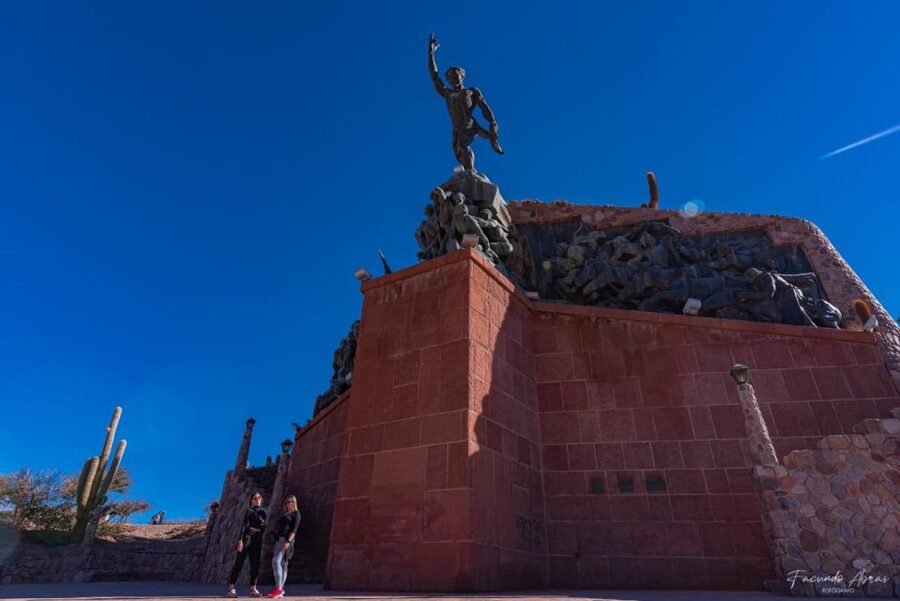
The road also brings views of Paleta del Pintor Hill and the Monumento de la Independencia. You visit a chapel said to have been built 700 years ago, with a gold-covered altar. The route includes paintings from the Cusco School, so this is more than a scenery day. It connects the Andean setting with religious art and the region’s long cultural exchange.
A small monument marking the Tropic of Capricorn adds another quick stop. Then you continue to Tilcara, where you can walk to the main square and church before visiting the Pucara de Tilcara ruins.
The Pucara is especially useful for understanding the people who lived in this area before the modern town developed. At the museum, you learn about the first inhabitants of the site. The visit gives the tour a needed human dimension, since the mountains and rock formations can otherwise dominate the day.
This day combines several stops, so you should expect variety rather than long, unhurried visits at each one. Wear comfortable clothes and shoes, carry identification, and keep a light layer available for changing conditions in the high country.
More Salta bodegas worth an afternoon:
- From Salta: Cafayate Day Trip with Wine Tasting
★ 4.4 · 226 reviews - Full-day Cafayate, Lerma Valley, and Wine Tasting from Salta
★ 4.5 · 116 reviews - From Salta: Full-Day Tour to Cafayate, Land of Wines
★ 4.5 · 74 reviews - From Mendoza: 3 Wineries, Olive Oil Factory Tour & Tasting
★ 4.6 · 901 reviews
Day four: Quebrada de Humahuaca and the salt flats
The final route heads toward Jujuy, passing Volcán and Tumbaya before entering the Quebrada de Humahuaca. This UNESCO World Heritage Site was once a major trade route thousands of years ago, which helps explain why the route is important beyond its scenery.
The gorge connects many of the cultural themes introduced earlier in the trip. You see mountain settlements, local crafts, churches, and evidence of long-distance movement through the Andes. The route is not simply a drive to the salt flats. It gives you a wider view of how people have used this corridor over time.
The excursion returns to Purmamarca, giving you another chance to visit the main square or shop at the craft stands if the earlier day felt rushed. You then continue up the Cuesta del Lipan toward Salinas Grandes.
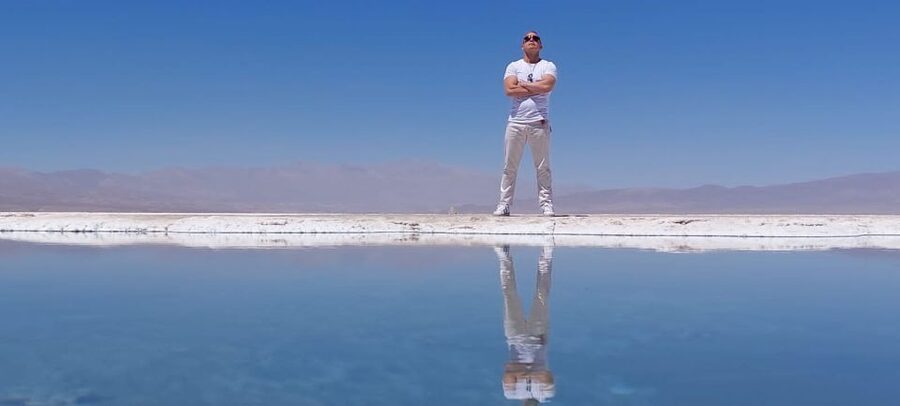
The salt flats are among the tour’s strongest stops. Salinas Grandes is considered one of the 7 Wonders of the Argentine Republic, and the bright, open surface creates a sharp contrast with the red hills and cactus country visited earlier. You have free time to admire the salt plains and their well-known pools.
The climb and the road are part of the price of reaching this place. Cuesta del Lipan means more winding travel, while the high-altitude route can feel demanding if you are not used to long mountain journeys. The schedule does not provide altitude details, so you should focus on staying comfortable, bringing water, and following your guide’s instructions.
After the salt flats, you return to Purmamarca for lunch at one of the traditional restaurants, again paying separately. You also have more time in town before the ride back to Salta. This arrangement gives you a useful pause after the salt-flat visit, though the return can still be a long one.
What the minivan journey means for you
Transportation is by air-conditioned minivan, with pickup and drop-off at downtown hotels. That is simpler than meeting at a distant bus terminal, and it keeps the four excursions connected under one provider.
Still, the roads are not all smooth. About two hours of the trip may be on poor-quality dirt roads, with another two hours on the highway during the return. The winding sections on Cuesta del Obispo and Cuesta del Lipan add another challenge.
I would book this if you enjoy seeing scenery from the road and do not mind long transfers. I would think twice if you need frequent movement, have back problems, or expect every stop to allow a relaxed half-day visit.
The bilingual guide is important here. A certified guide can explain the wine, local history, indigenous communities, churches, and archaeological sites while also helping the group manage a complicated route. English and Spanish are available, which makes this tour practical for many visitors who do not speak Spanish.
Food, shopping, and local culture
Lunch is not included, but that gives you control over your spending and meal choices. You have opportunities to eat in Cachi and Purmamarca, and traditional restaurants are available in Purmamarca after the salt-flat visit.
Craft shopping is part of the experience, not just an extra. Purmamarca’s main square has local makers and many craft stands, while Cachi offers shops during your free time. One useful tip is to avoid spending all your shopping time on the first visit to Purmamarca if you know the route returns there on day four.
The cultural stops also deserve attention. You see colonial architecture in Cachi, a historic church in Purmamarca, a chapel with a gold-covered altar, Cusco School paintings, and the Pucara museum in Tilcara. Together, these stops give you more than a scenic tour. They show how indigenous traditions, colonial religion, trade routes, and present-day craft work meet in northern Argentina.
Is four days enough?
Four days gives you a broad look at Salta Province and nearby Jujuy, but it does not turn the region into a slow, detailed study. You cover Cafayate, Cachi, Purmamarca, Tilcara, Quebrada de Humahuaca, and Salinas Grandes, all while returning to Salta.
The benefit is efficiency. You do not need to find separate transport, compare different providers, or work out the mountain routes yourself. The cost is that long drives shape the rhythm of the trip.
The available rating is a perfect 5 from five reviews, and the strongest praise focuses on the guides being competent and kind, along with the excellent scenery. That matches the tour’s design: the route is the main event, and a good guide helps turn a long ride into a useful and enjoyable day.
Who should book this Salta tour?
Book it if you want the main sights around Salta and Jujuy in one organized package. It suits people who enjoy geology, wine, mountain roads, indigenous culture, colonial towns, archaeological sites, and photography.
It is also a good choice if you are staying in Salta and want to return to the same hotel each night. The included pickup, air-conditioned minivan, winery entry, and bilingual guide reduce the planning work.
You should skip it if your back makes rough roads uncomfortable, if you dislike winding mountain routes, or if you need a slow pace with long independent visits. Children under two can travel free if they do not need their own seat, but unaccompanied minors are not allowed.
Free cancellation is available up to 24 hours before the tour for a full refund, and you can reserve now and pay later. Those terms help if your Salta plans are still moving, but the main decision remains physical comfort. Four days of scenic road travel is a lot, even when the views are excellent.
FAQ
How long is the experience?
The experience lasts four days. Starting times depend on availability, and the order of the excursions may change.
What places does the tour visit?
The program includes Cafayate, Cachi, Purmamarca, Tilcara, Salinas Grandes, Quebrada de Humahuaca, Parque Nacional Los Cardones, Cuesta del Obispo, and Cuesta del Lipan.
Is hotel pickup included?
Yes. Pickup and drop-off are included for downtown hotels. Pickup may take place within 40 minutes after your selected starting time.
What languages does the guide speak?
The live guide service is available in English and Spanish.
Is transportation included?
Yes. Transportation is provided in an air-conditioned minivan.
Is winery entry included?
Yes. Entry to a winery is included during the Cafayate excursion.
Is lunch included?
No. Lunch is not included, so you should budget separately for meals in places such as Cachi and Purmamarca.
How much time is spent on rough roads?
The tour information says to expect about two hours on lower-quality dirt roads, followed by about two hours on the highway during the return journey.
Can children under two join?
Yes. Children under two can travel free if they do not occupy a separate seat. Unaccompanied minors are not allowed.
Can I cancel for a full refund?
Yes. You can cancel up to 24 hours in advance for a full refund. Reserve now and pay later is also available.
Should You Book This Tour?
I would book this tour for broad coverage and strong scenery, especially if you have limited time in Salta and want Cafayate, Cachi, the colorful Andean towns, and Salinas Grandes handled in one package. The wine tasting, Pucara museum, local churches, and craft markets keep the trip from becoming a string of roadside viewpoints.
I would not book it for a relaxed pace or easy roads. The best reason to choose it is simple: you want to see a remarkable amount of northern Argentina in four organized days, and you are ready to trade some comfort and free time for that range.
Just added around Salta
- Tucumán: Tafí del Valle Full Day Tour★ 3.8 · 4 reviews
- Trekking Purmamarca★ 5.0 · 52 reviews
- Salinas Grandes and Purmamarca Full Day Tour★ 4.5 · 34 reviews
- Tilcara: 2 hours cycling tour trough the rural area★ 5.0 · 5 reviews
- Salta: Tour to the Salinas Grandes and Purmamarca★ 3.7 · 3 reviews
- Salta or Jujuy: Iruya and Salinas Grandes 2-Day Tour★ 4.3 · 3 reviews
- From Salta: Cafayate, Humahuaca, Cachi, & Salinas Grandes★ 4.3 · 13 reviews
- Salta en un Bocado – Cultural Tour & Empanada Tasting★ 5.0 · 3 reviews
Wine Tours, compared.


Full-Day Tour Cafayate Calchaqui Valleys with Wine
Read our review →


Browse the lists this tour appears in