

Reviewed · QUEBRADA DE HUMAHUACA TOURS
Trekking Purmamarca
The best part of this Purmamarca trek is its private route through a dry riverbed, where wind, water, and Pachamama have carved striking forms into the sediment. You leave the town behind and walk a path intended only for your group, with no crowds to break the quiet.
I like the slow, personal pace, and I like that the walk adds meaning to the scenery through geology, native culture, and medicinal plants. Guide Fabricio is especially good at adjusting the pace to the group, which makes this a useful first activity in the area. The main consideration is altitude: the route reaches 2,700 meters, and you need moderate fitness, suitable shoes, and your own water.
Key points at a glance
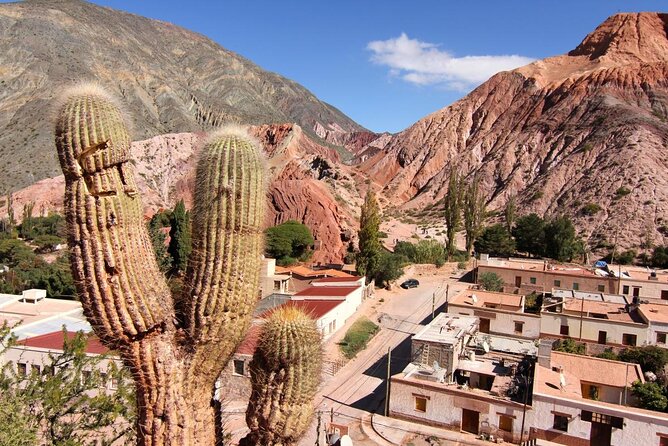
- A 4-kilometer dry riverbed route: Walk across sediment shaped by wind and water rather than along a busy sightseeing trail.
- A private outing: Only your group takes part, with a personalized service from the guide.
- Geology explained on foot: The rock formations make more sense when you learn how wind, water, and Pachamama shaped them.
- A gentle four-hour schedule: This is not a race, and the guide can match the pace to the group’s physical condition.
- A high point at 2,700 meters: You stop for about 30 minutes before making the return journey.
- A strong first-morning choice: The explanations about local geology, plants, and fauna can help you understand the area during later sightseeing.
Walking into Purmamarca’s sculpted riverbed
This outing takes you a few kilometers away from town to begin the walk. The route follows a dry riverbed for about 4 kilometers, passing geological forms cut into sediment by wind and water.
That detail matters. You are not simply walking toward a viewpoint, taking a photo, and returning to town. The riverbed gives you time to notice how the terrain changes underfoot and how the rock forms were made. Your guide can point out the connection between erosion, the region’s geology, and the forces of Pachamama, the earth honored in Andean culture.
The route is described as an exclusive path for this activity. That does not mean total wilderness or a difficult expedition. It means your group should not be sharing the trail with a stream of other tour groups. For a four-hour outing, that quieter setting is a real advantage.
I would choose this trek if you want to understand the area instead of only viewing it. The scenery is the star, but the explanations give it a story. Without that context, unusual rock shapes can blur into one another. With a guide, each bend in the riverbed becomes a chance to understand the forces that formed the region.
More Quebrada de Humahuaca days:
- From Salta: Full-Day Trip to Salinas Grandes and Purmamarca
★ 4.6 · 914 reviews - From Salta: Salinas Grandes, Purmamarca & Los Colorados Hike
★ 4.3 · 356 reviews - From Salta: Serranías del Hornocal & Hill of 14 Colors Tour
★ 4.4 · 339 reviews
Fabricio’s approach to the walk
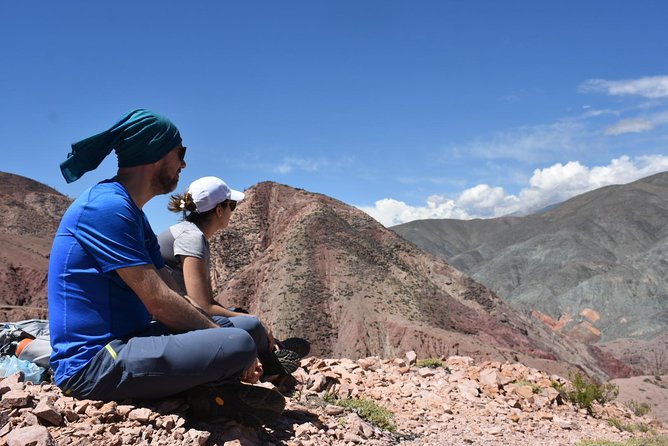
The guide named in the experience is Fabricio. His role is more than leading the way. He explains the history of the area, native culture, geological formations, and local flora, including plants used for medicinal purposes.
That mix gives the walk a useful range. You are not receiving a geology lecture detached from daily life. You are learning how the land, people, plants, and traditions connect. The cultural references to Pachamama also help place the natural setting within the beliefs of the Andes.
Fabricio is also described as flexible with hiking speed. That is important because a private tour can respond to your group in a way a large outing cannot. The walk is not treated as a competition of time or effort. You can expect a steady, manageable pace rather than pressure to keep up with strangers.
Still, do not mistake a gentle pace for a completely effortless stroll. The route reaches 2,700 meters above sea level, and the experience asks for moderate physical fitness. The combination of altitude, uneven ground, and a four-hour schedule means you should be comfortable walking for several hours.
A particularly smart way to use this outing is as one of your first activities in the area. The geological and plant explanations can help you recognize more during the days that follow. Preston Read and his family found that doing the walk on their first morning made the rest of their time in Purmamarca more meaningful. That is a practical lesson: take the interpretive walk before you spend the day looking at the region on your own.
What the four-hour itinerary feels like
The activity begins at the meeting point on Lavalle in Purmamarca. The supplied information places the broader tour location in Tilcara, but the stated start and finish are in Purmamarca, so check the meeting details carefully when you book.
From there, the group travels a few kilometers away from town to reach the walking route. No separate transfer details are given, so you should confirm how this short approach is handled with the provider, Purmamarca Aniacho Turismo. The information does make clear that the trek itself takes place away from town and finishes back at the same meeting point.
Once on the route, you walk approximately 4 kilometers along the dry riverbed. The geological forms are the main visual interest. Sediments have been carved by water and wind into shapes that reveal the region’s long natural story.
The guide’s explanations are spread through the walk. You can expect discussion of the rock and sediment, local history, native culture, and plant life. This is not a stop-by-stop sightseeing itinerary with named monuments, so the value comes from the changing forms along the route and the guide’s interpretation.
At roughly 2,700 meters, the group pauses for about half an hour. That break gives you time to rest before the return. It also makes the schedule more manageable for people who prefer a measured outing instead of a hard push.
The return follows the same general route back to the meeting point. The full activity takes about four hours, although the exact pace depends on the physical condition of the group. Since this is a private outing, you are not locked into the rhythm of a large party.
Why the private format matters
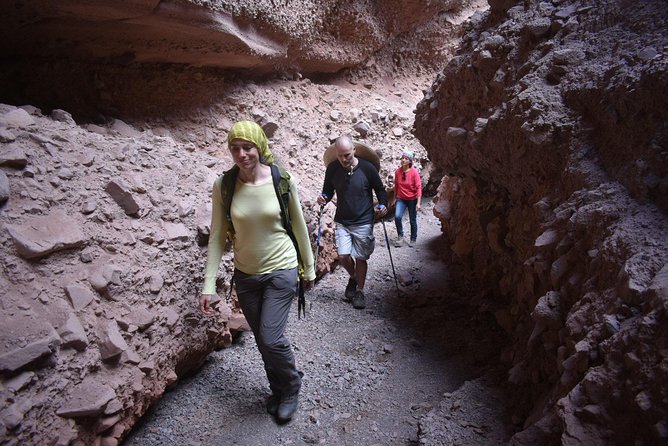
A private activity changes the feel of a walk like this. You are not trying to hear a guide over several groups or waiting for people with very different abilities. The guide can focus on your group’s questions and adjust the pace as needed.
That is especially useful here because the walk is interpretive. You may want more time to look closely at a formation, ask about a plant, or hear more about native culture. A private guide can make those pauses part of the outing rather than treating them as delays.
The private format also works well for families and small groups with different energy levels. One person may want to stop often for photographs, while another may prefer a continuous walk. The guide’s stated approach is to keep the activity bearable and suited to the participants’ physical condition.
There is one tradeoff. A private tour costs more than a basic shared walk might cost per person, depending on the size of your group. At $60 per person, the value is strongest if you care about personal attention, a quieter route, and interpretation rather than simply reaching a viewpoint.
For a couple or family, I would weigh the price against the four-hour length and the exclusive format. You are paying for a guide’s time, not just access to a trail. If your main goal is an inexpensive walk, this may feel costly. If you want a local explanation of what you are seeing, it is easier to justify.
More hiking tours around Salta:
- From Jujuy: Salinas Grandes, Purmamarca & Los Colorados Hike
★ 4.2 · 75 reviews - Purmamarca: Hiking with Llamas through multicolored mountains
★ 4.4 · 9 reviews - El Calafate: Perito Moreno Glacier Trekking Tour and Cruise
★ 4.8 · 805 reviews - From Ushuaia: Tierra del Fuego Emerald Lagoon Trekking Tour
★ 4.9 · 271 reviews
Altitude, fitness, and what to bring
The most important practical detail is the water requirement. Snacks are not included, and you must provide your own water. Since the walk lasts about four hours and reaches 2,700 meters, carry enough for the outing rather than relying on a quick purchase along the route.
The information does not specify a required quantity, so I would follow the provider’s instructions and bring a comfortable personal supply. Pack any snack you know you will want, since food is not included.
Moderate physical fitness is required. The walk is not described as a race, and the guide can adapt the speed, but you should still be ready for several kilometers on a dry riverbed. Uneven surfaces can demand more effort than the distance suggests.
Wear shoes that feel secure on loose or irregular ground. The supplied details do not name a special equipment list, so there is no need to assume technical trekking gear. Good walking shoes, water, and protection from the sun are sensible choices, though sun protection is not formally listed as an included or required item.
If anyone in your group is unsure about altitude or extended walking, ask the provider before booking. The tour is intended for people with moderate fitness, not for those seeking a very short, flat town stroll.
Geology, plants, and culture in one walk
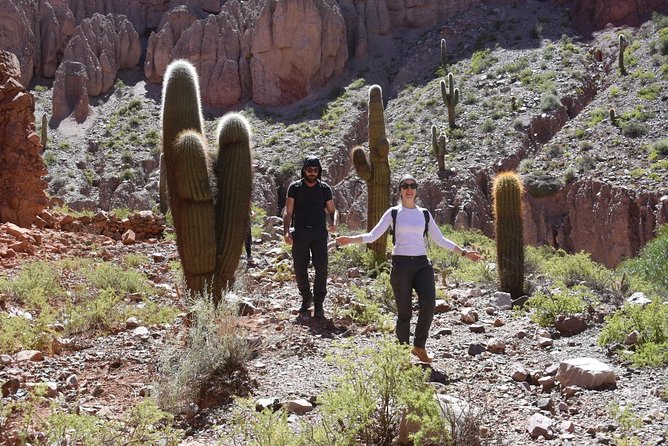
The strongest feature here is the combination of subjects. Many nature walks focus only on scenery. This one brings together geological interpretation, local history, native culture, and medicinal flora.
The riverbed makes geology easy to discuss because the evidence is under your feet and in the walls around you. Wind and water have shaped the sediments, creating forms that you can see directly. The guide’s job is to explain the process in plain terms and connect it to the larger setting.
The cultural side adds another layer. References to Pachamama are not decoration. They reflect a way of understanding the earth as a living force with spiritual meaning. Hearing that perspective while walking through the terrain gives the place more depth than a quick scenic stop.
The plant discussion may be especially useful if you are interested in how local communities use the natural world. The experience includes information about flora and medicinal uses, although no specific plant names or remedies are provided. I would listen carefully and take notes if this subject matters to you, rather than expecting a formal botanical tour.
Because the activity is private, you can ask the guide to spend more time on whichever subject interests you most. If geology is your priority, ask for more detail about the sediments and erosion. If culture or plant use matters more, say so at the start.
The best time to schedule it
The experience lasts about four hours and requires good weather. A poor-weather cancellation can result in a different date or a full refund, which is helpful because the route is outdoors and the conditions matter.
The first morning is a smart option if your schedule allows it. Fabricio’s explanations can give you a working vocabulary for the area’s formations, plants, and cultural traditions. You may then notice more during later visits to viewpoints and nearby sites.
The downside of booking it first is that you may not yet know how your body handles the altitude. If you prefer to settle in before walking, schedule it after you have had time to rest. The choice depends on your group’s comfort and itinerary.
The activity is booked, on average, 24 days in advance. That does not guarantee that every date fills, but it suggests you should not leave the decision until the last moment if you want a particular morning.
Free cancellation is available if you cancel at least 24 hours before the start time. Changes or cancellations made less than 24 hours before the start are not accepted for a refund. The cut-off follows local time.
Who should book this Purmamarca trek
I would recommend this walk to you if you want a calm, private outing with plenty of explanation. It suits couples, families, and small groups who prefer a guide focused on their pace.
It is also a strong match for people who enjoy geology, local plants, and cultural context. The route is not just a photo stop. You spend several hours learning how the scenery formed and how people relate to it.
Families should consider the four-hour length and the 2,700-meter high point before booking. The flexible speed helps, but the outing still requires moderate fitness.
This is less suitable if you want a strenuous mountain challenge, a fast hike, or a guaranteed list of named landmarks. The appeal is the quiet route, the dry riverbed, and the guide’s interpretation. You should book it for understanding the setting, not for a timed athletic achievement.
Is the $60 price fair?
At $60 per person, this is not the cheapest way to walk near Purmamarca. The price makes more sense when you count what is included: a private group, personalized service, a roughly four-hour outing, and a guide who covers geology, history, native culture, and plants.
The value depends heavily on your group size and priorities. A solo participant pays the same price for access to a private experience, while a couple or family may find the personal attention more worthwhile. If you enjoy learning as you walk, the fee is easier to defend.
The experience does not include snacks, and you provide your own water. That is a minor extra cost, but it means you should prepare before meeting the guide.
The perfect comparison is not simply the price of a public hike. Ask yourself what you want from the morning. If you want a quiet route and a guide who can adjust the pace and answer questions, $60 can be reasonable. If you only want to stretch your legs and see a scenic area, you may find better value elsewhere.
My recommendation
I would book this trek if you have moderate fitness, can handle a four-hour outdoor activity, and want context for the unusual rock formations around Purmamarca. The combination of a private route, patient pacing, and explanations about geology, plants, and native culture gives the outing a clear purpose.
Book it early in your stay if you want the guide’s explanations to shape the rest of your sightseeing. Bring your own water and snacks, confirm the meeting details in Purmamarca, and be realistic about the 2,700-meter altitude.
Skip it if your group wants a short, effortless walk or a demanding athletic trek. For everyone in between, especially those who value a quiet path and direct time with a guide, this is a thoughtful way to begin understanding the region.
FAQ
Where does the trek start and finish?
The activity starts on Lavalle, Y4618 Purmamarca, Jujuy, Argentina, and finishes back at the same meeting point.
How long does the activity last?
The trek takes approximately four hours.
How far do you walk?
The trek includes an approximately 4-kilometer route across a dry riverbed.
How high does the route reach?
The route reaches about 2,700 meters above sea level, where you rest for approximately half an hour before returning.
Is this a private tour?
Yes. Only your group participates, and the service is personalized.
What should I bring?
You must provide your own water, and snacks are not included. Moderate physical fitness is required, and the activity depends on suitable weather.
Just added around Salta
- Tucumán: Tafí del Valle Full Day Tour★ 3.8 · 4 reviews
- Salinas Grandes and Purmamarca Full Day Tour★ 4.5 · 34 reviews
- Tilcara: 2 hours cycling tour trough the rural area★ 5.0 · 5 reviews
- Salta or Jujuy: Iruya and Salinas Grandes 2-Day Tour★ 4.3 · 3 reviews
- From Salta: Cafayate, Humahuaca, Cachi, & Salinas Grandes★ 4.3 · 13 reviews
- Salta: Tour to the Salinas Grandes and Purmamarca★ 3.7 · 3 reviews
- Salta en un Bocado – Cultural Tour & Empanada Tasting★ 5.0 · 3 reviews
- From Salta: Quebrada de Humahuaca, Purmamarca and Tilcara★ 4.2 · 43 reviews
Quebrada de Humahuaca Tours, compared.
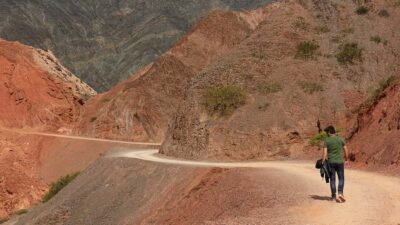
Full-Day Trip to Salinas Grandes and Purmamarca
Read our review →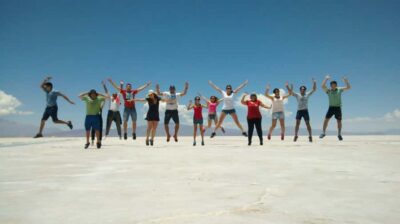
Salinas Grandes, Purmamarca & Los Colorados Hike
Read our review →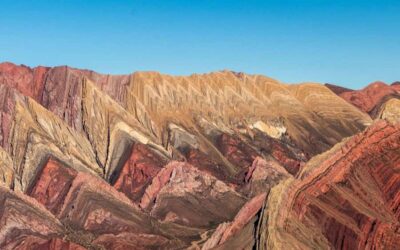
Serranías del Hornocal & Hill of 14 Colors Tour
Read our review →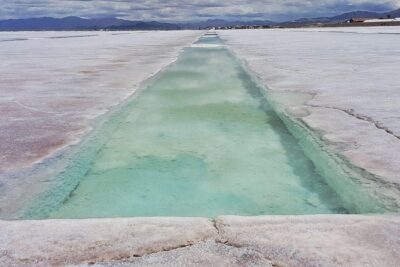
Full-Day Tour Salinas Grandes and Purmamarca from Salta
Read our review →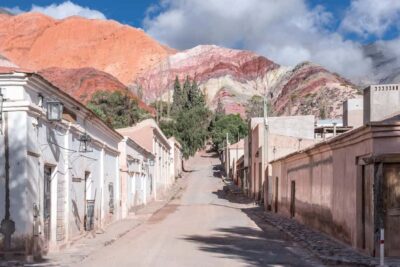
Full-Day Tour to Salinas Grandes and Purmamarca From Salta
Read our review →
Hornocal: Tour of the 14 Colors Mountain & Humahuaca´s Gorge
Read our review →
Cafayate and the imposing Quebrada de las Conchas
Read our review →Browse the lists this tour appears in