

Reviewed · FOOTBALL & STADIUM TOURS
River Plate Stadium and Museum Guided Tour
River Plate’s stadium is the main event here: a vast football ground in Núñez that holds up to 86,000 people and hosted Argentina’s 1978 World Cup triumph. The museum adds the context, but the best moments come when your guide connects the club’s trophies and rivalries to the places where players actually prepare and enter the pitch.
I like the private guide and the separate entrance, since you can ask questions without being tied to a large group. I also like the chance to see the tunnel and visitors’ changing room, details that make this more than a cabinet-filled museum visit.
The main caution is access. Matches, concerts, training, cleaning, and renovation work can change the route, and one recent booking had trouble receiving the promised snack and private guiding. Confirm the meeting point and inclusions before you go.
Key points to know before you book
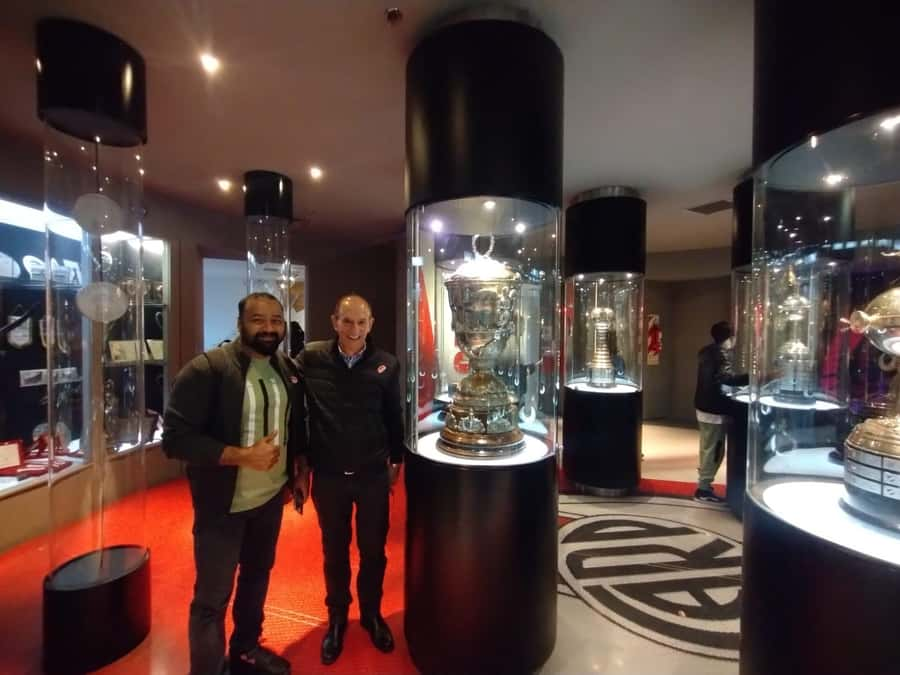
- River Plate’s home ground holds up to 86,000 people, making the stadium itself the star attraction.
- The private format gives you room to ask questions in English, Portuguese, or Spanish.
- The route includes the museum, stadium, single tunnel, and visitors’ changing room, though these areas can change on event days.
- The club’s story reaches beyond Argentina, with more than 70 titles and major South American trophies.
- The meeting point is the main entrance of the River Plate Museum, and transfers are not included in the stated package.
- Juan is one guide name associated with the experience, but guide assignment is not guaranteed.
Why River Plate matters in Argentine football
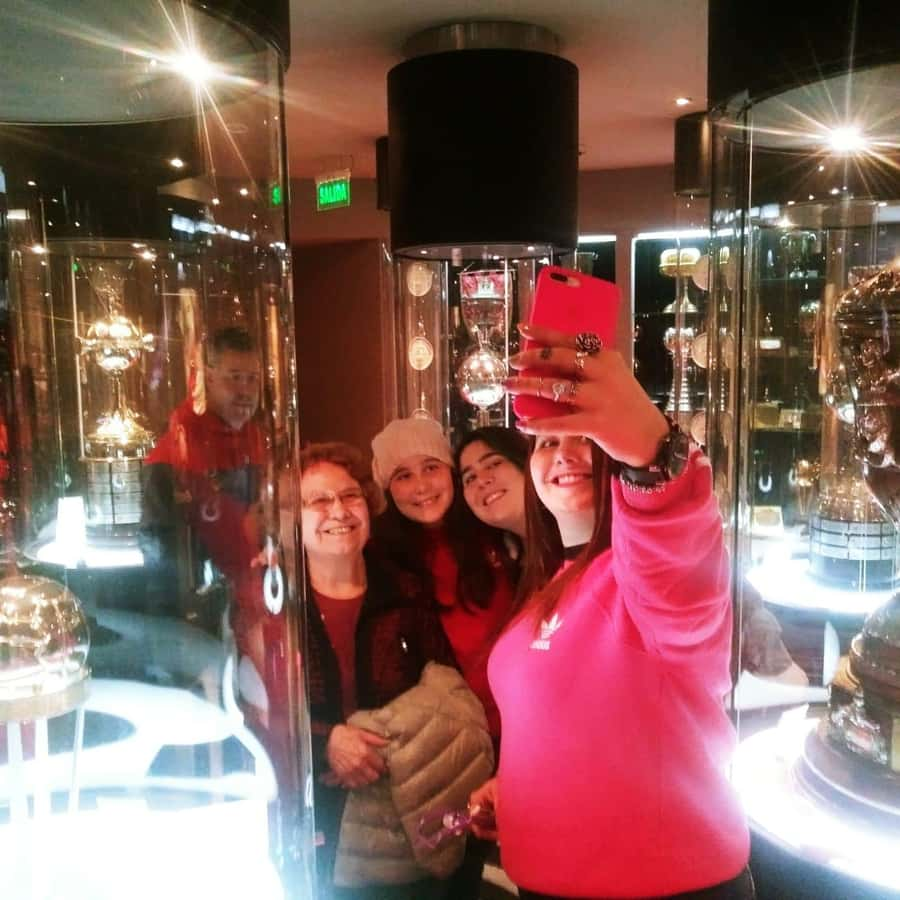
To understand this tour, you need a little football context. River Plate is one of Argentina’s five traditional great clubs, along with its famous rival Boca Juniors. The rivalry shapes Buenos Aires football, but River’s own story is large enough to fill an afternoon without borrowing much from Boca.
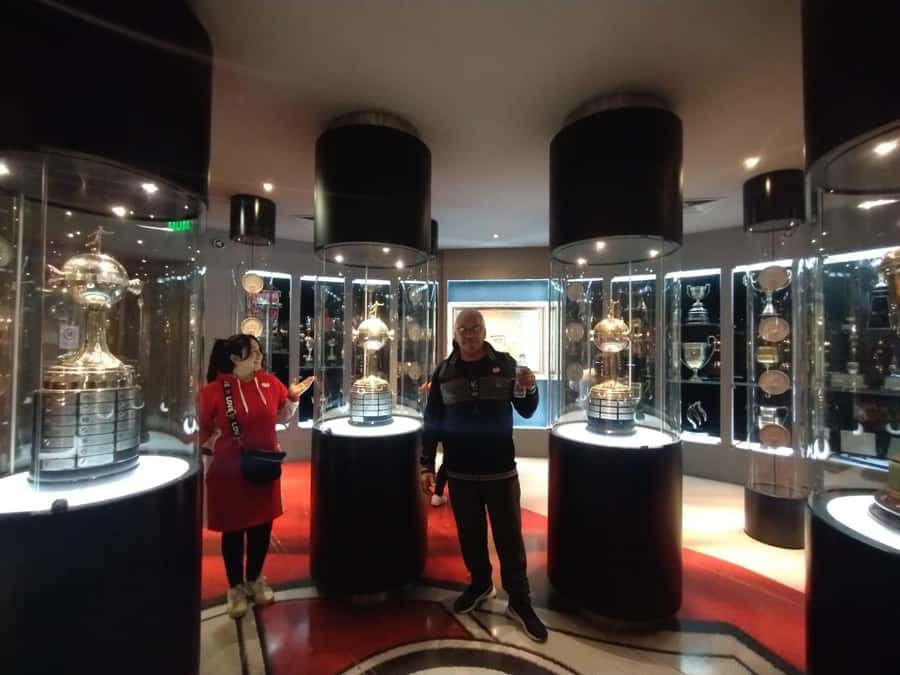
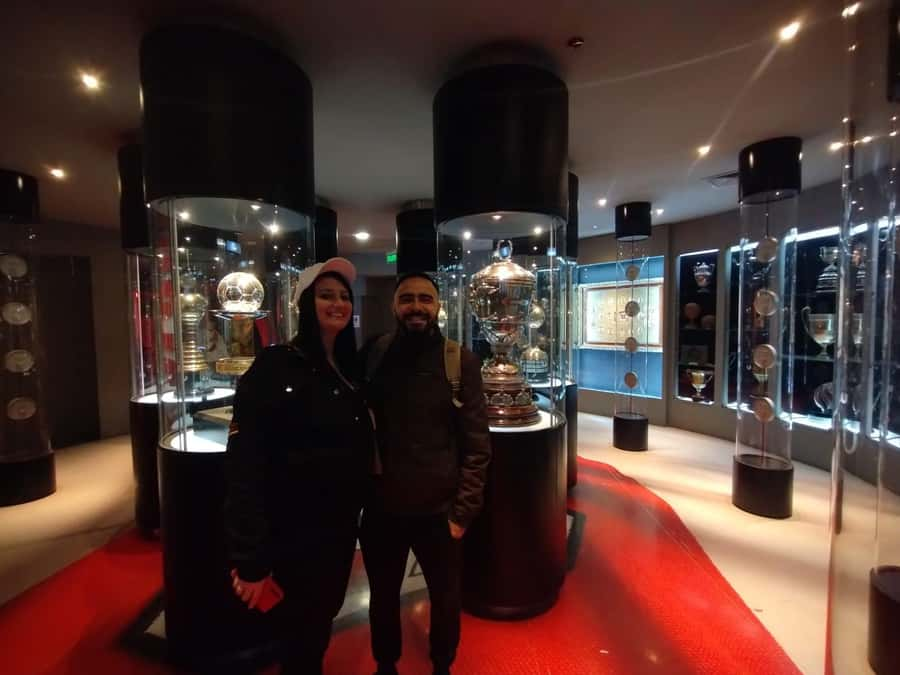
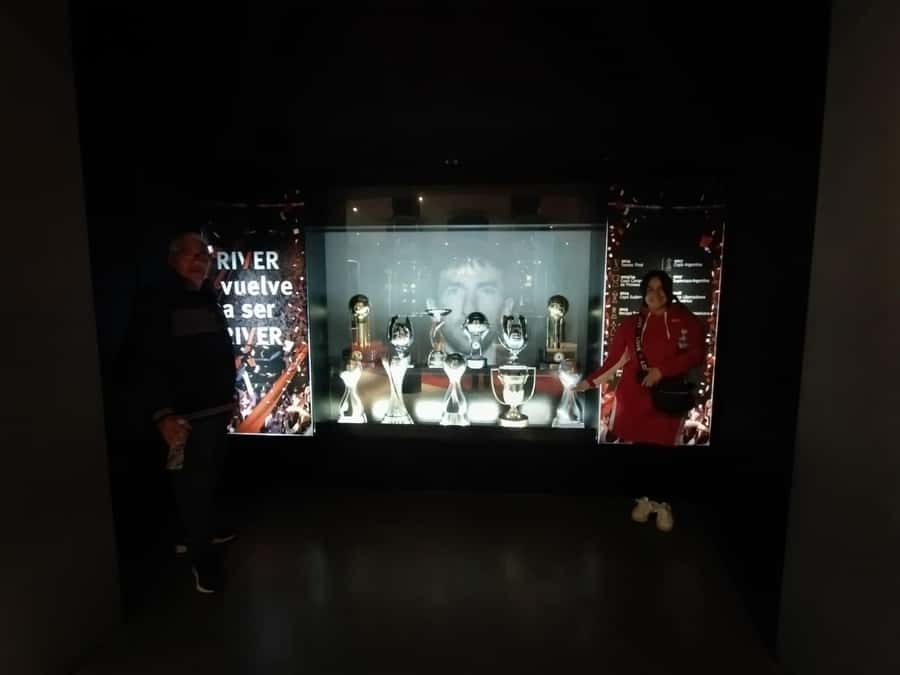
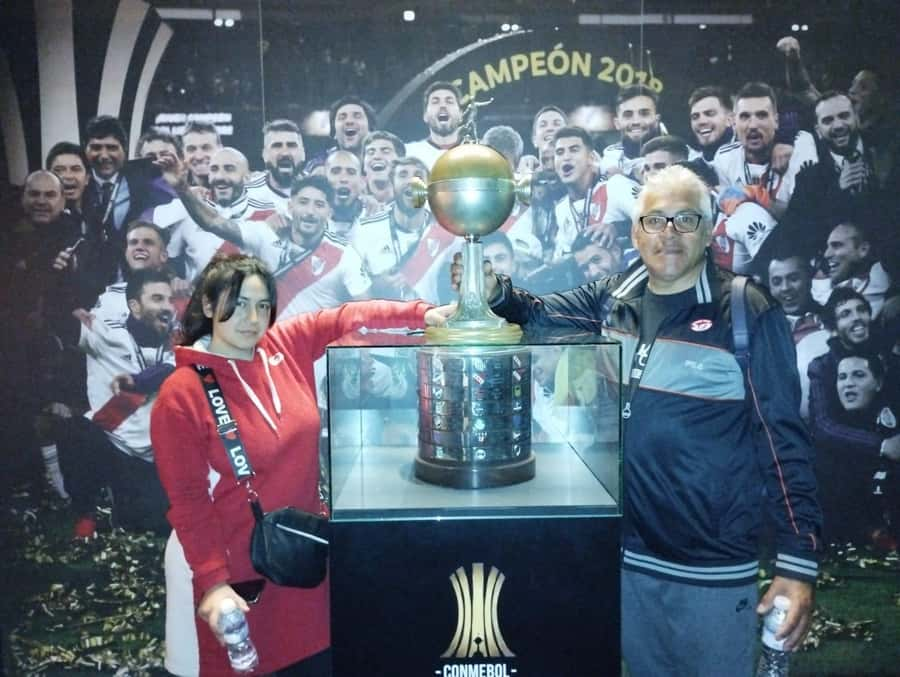
The club has more than a century of history and more than 70 titles. Its international record includes four Copa Libertadores victories, three Recopa Sudamericana titles, an Intercontinental-related title listed among its honors, a Copa Interamericana, Supercopa Sudamericana, Copa Sudamericana, and Suruga Bank.
That list can feel like a blur if you are not already a football follower. A good private guide should turn it into a human story: a club that began modestly, grew into one of Argentina’s most powerful institutions, and developed a following far beyond Buenos Aires.
You do not need to know the difference between every South American competition to enjoy the visit. If you follow football closely, you will appreciate the trophy record and club identity. If you do not, focus on the scale of the institution and the way football shapes daily life in Argentina.
More football and stadium visits in Buenos Aires:
- Buenos Aires: Tickets to Boca Juniors Museum & Stadium
★ 4.5 · 581 reviews - Soccer Match in Buenos Aires with Transfers and Local Guide
★ 5.0 · 103 reviews - Buenos Aires: Boca Juniors and River Plate Football Tour
★ 4.3 · 82 reviews
Starting at the River Plate Museum
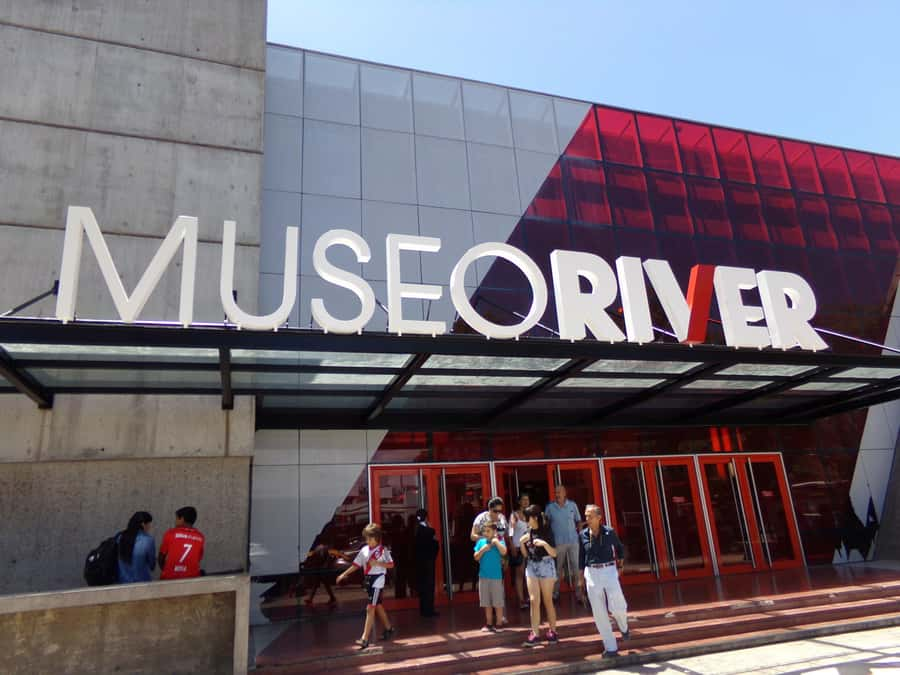
The tour begins at the main entrance of the River Plate Museum, not with hotel transportation. The stated package does not include transfers in or out, so plan your route to Núñez separately and allow enough time to reach the entrance without rushing.
Skip-the-line access uses a separate entrance. That can save useful time, especially if the museum is busy, but it does not remove every possible delay. Security, event preparations, or changes inside the stadium can still affect the pace.
The museum is the right place to begin because it gives you the club’s timeline before you see the working parts of the stadium. You can expect displays devoted to River Plate’s origins, major victories, players, and trophies. The supplied details do not identify every exhibit, so I would treat the museum as a guided overview rather than expect a fixed list of individual artifacts.
This is where the private format matters most. You can ask for help with unfamiliar competitions, learn why River is called El más grande, or ask how the club’s identity differs from Boca Juniors. A general admission visit may give you the objects, but a live guide can help explain why they matter.
The stadium and its 86,000-seat scale
From the museum, the route moves toward the stadium. River Plate’s home ground is the largest in the Americas by the capacity stated for this tour, with room for up to 86,000 spectators. Even if the bowl is quiet, that number gives you a sense of the club’s reach.
The stadium is also tied to Argentina’s 1978 World Cup victory. That connection gives the visit national importance, not just club importance. You are looking at a place linked to one of the defining football moments in Argentine sporting history.
Exact viewpoints can vary, and the information provided does not promise a particular seating section or panoramic platform. Still, the scale should be clear from the stadium visit itself. You may find the empty ground more impressive for its size and design than for any single photo opportunity.
I would bring sunglasses, a hat, and sunscreen. Parts of the route may involve open or bright areas, and comfortable shoes are sensible for a two to three-hour visit. Biodegradable sunscreen is also listed among the suggested items.
Walking through the tunnel and changing room
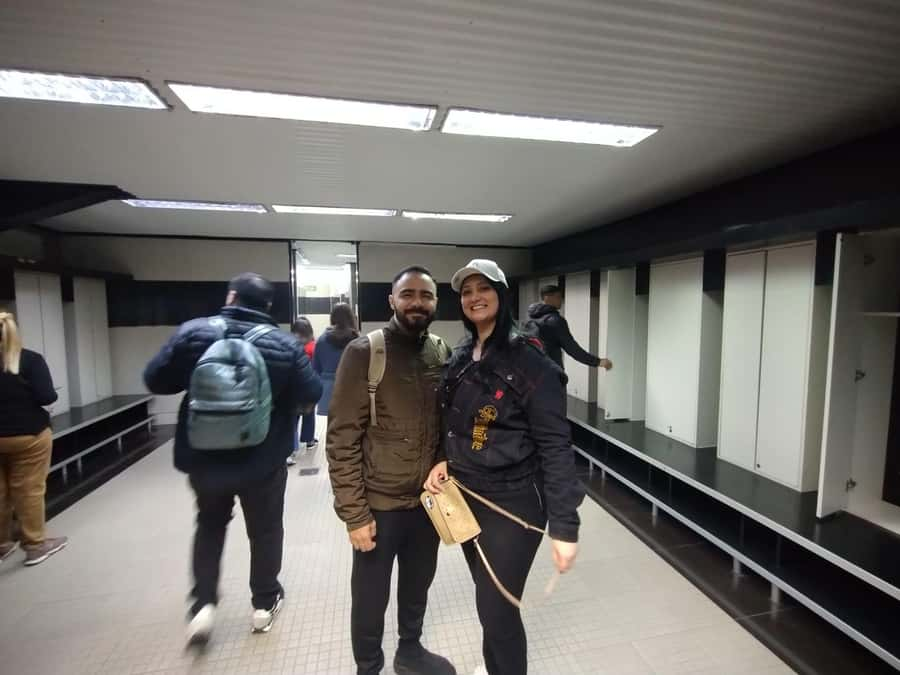
The tunnel is one of the most useful inclusions for people who want the stadium to feel like a workplace rather than a monument. This is the route associated with the movement from the changing area toward the pitch, and it gives you a more physical sense of match preparation.
The package includes access to a single tunnel and the visitors’ changing room. That wording matters. You should not assume access to every team facility, both tunnels, or all backstage rooms. The visitors’ changing room still offers a useful look at how the stadium handles match-day teams, but it is not necessarily the home team’s private dressing room.
Access to these areas may change because of matches, concerts, training, refurbishment, cleaning, or other stadium operations. If the tunnel or changing room is closed on your date, the tour can lose some of its most memorable elements. Ask about the day’s access when you arrive, especially if these areas are the main reason you booked.
The private guide can add value here by explaining how the route connects the museum story to the match-day experience. One guide named Juan received especially warm praise for his friendly and capable approach. You cannot count on receiving Juan, but the language options include English, Portuguese, and Spanish.
More museum tours in Buenos Aires:
- Buenos Aires: River Plate and Boca Juniors Museum Tour
★ 4.5 · 72 reviews - River Plate Monumental Stadium and Museum Guided Tour
★ 4.5 · 39 reviews - Buenos Aires: Hop-On Hop-Off Bus and Football Museums
★ 4.3 · 39 reviews - Buenos Aires: Tickets to River Plate Museum
★ 4.6 · 32 reviews
What the private tour format really gives you
A private group does not automatically mean a long or highly customized tour. The stated duration is two to three hours, and one recent booking found the experience a little short while still rating it highly. That suggests the actual length may depend on access, pace, questions, and stadium conditions.
The benefit is control. You can ask the guide to slow down around the club’s international titles, spend more time on the 1978 World Cup connection, or explain the Boca rivalry in plain terms. You can also move on quickly if trophy statistics are not your thing.
The guide’s language choice is another practical advantage. English, Portuguese, and Spanish are available, which is especially useful in Buenos Aires, where football history can involve club names, competition titles, and local references that do not translate neatly.
I would not expect a private tour to guarantee exclusive use of every stadium space. The private element is the guide and group arrangement, while the museum and stadium remain working public facilities. Match schedules and events can still take priority.
Snack and souvenir: useful extras, but verify them
A snack and souvenir are included in the stated package. These are modest extras, not reasons by themselves to pay the tour price, but they can make the visit feel more complete.
The snack is particularly practical during a two to three-hour outing. Still, check where and when it is provided. One recent booking reported that the promised snack was not received, along with difficulty accessing the intended service. That is not a reason to reject the tour outright, but it is a good reason to confirm the details at the start.
The souvenir may appeal to football fans who want a small reminder of River Plate. The information does not specify its type, size, or design, so do not book expecting a particular shirt, scarf, or collectible.
Price and value at $117 per person
At $117 per person, this is not a cheap museum ticket. You are paying for skip-the-line access, admission to the museum and stadium, a private guide, the tunnel, the visitors’ changing room, a snack, and a souvenir.
The price makes the most sense for a dedicated River Plate supporter, a football-focused visitor, or a small group that values personal explanation. A private guide can also be good value when several people share the experience, since you are not paying for separate guiding arrangements.
For a casual football fan, the value depends on how much the behind-the-scenes access matters. If the museum alone would satisfy you, a less expensive admission option might be enough. If you want the stadium context, club history, and a chance to ask questions in your language, the private format justifies more of the cost.
Transfers are not included, so add the cost and time of getting to Núñez. One booking record refers to hotel pickup, but the stated inclusions specifically exclude transfer in and out. I would plan on meeting at the museum entrance unless your confirmation clearly says otherwise.
Who should book this River Plate tour?
I would recommend it first to River Plate supporters and football travelers building a Buenos Aires sports itinerary. The club’s trophy record, stadium size, and place in Argentina’s football culture give the visit real substance.
It also suits first-time visitors who want a structured introduction to Argentine football. You do not need to understand every competition before arriving. A guide can explain the basics and help you see why River matters locally and internationally.
Families and mixed-interest groups may find the private setup useful because the pace can adapt to different attention spans. The activity is wheelchair accessible, though stadium access can still change with event operations. Ask about the planned route if a particular area is essential.
I would be more cautious if you have a fixed schedule built around a match, concert, or training session. Those events can alter the route, and the advertised areas are not guaranteed on every date.
Practical preparation for the museum and stadium
Bring your passport or another accepted identity document. The activity information lists a passport and passport or ID card among the things to bring, so carry identification even if you normally leave it in your hotel safe.
Wear comfortable shoes. The tour lasts two to three hours, and the route may include museum galleries and stadium corridors rather than a single seated presentation.
For bright conditions, pack sunglasses, a sun hat, and sunscreen. Biodegradable sunscreen is specifically requested in the preparation guidance. Alcohol and drugs are not allowed.
Before setting out, confirm three points:
- The exact meeting time at the main entrance of the River Plate Museum.
- The language and name of your assigned guide, if available.
- Which stadium areas are open on your date.
Cancellation is flexible up to 24 hours in advance for a full refund, and you can reserve now and pay later. Those terms help if your Buenos Aires schedule is still shifting, but they do not change the need to confirm the day’s stadium access.
Should you book the River Plate Stadium and Museum Tour?
Book it if you want more than a trophy display. The stadium, tunnel, visitors’ changing room, 1978 World Cup connection, and private guide give the experience a clear sense of place. The strongest value comes when you care about River Plate or want a personal introduction to Argentine football.
Think twice if you are looking for a guaranteed full backstage route or a simple low-cost museum visit. Access can change, the duration may feel short to some people, the snack should be confirmed, and transfers are not included.
For a football fan in Buenos Aires, I would put this high on the list, especially if you can share the private cost with companions and arrange the visit on a day without a major event.
FAQ
Where does the River Plate Stadium and Museum Tour begin?
It begins at the main entrance of the River Plate Museum in Núñez.
How long does the tour last?
The stated duration is two to three hours.
What parts of the stadium are included?
The package includes the museum, stadium, a single tunnel, and the visitors’ changing room.
Is hotel transportation included?
No. Transfer in and out is not included in the stated package. One booking record refers to hotel pickup, so check your confirmation carefully if pickup is important to you.
What languages are available?
Live guiding is available in English, Portuguese, and Spanish.
Is the tour private and wheelchair accessible?
Yes. It is described as a private group activity and is wheelchair accessible.
Can stadium access change after booking?
Yes. Visits to the stadium, tunnel, and changing rooms may change because of matches, concerts, training, renovations, refurbishment, cleaning, or other operations.
Just added around Buenos Aires
- Tango Show at El Querandi with optional Dinner★ 4.2 · 3 reviews
- Wine Tasting in Buenos Aires★ 4.2 · 4 reviews
- Walking Tour: Buenos Aires bookstores★ 4.3 · 12 reviews
- Velez Sarsfield Football Match★ 5.0 · 3 reviews
- Unique Tigre and Delta Private Day Cruise Navegation★ 5.0 · 3 reviews
- Private Underground Tango Immersion★ 5.0 · 31 reviews
- Sailing with Wine Tasting in Buenos Aires★ 5.0 · 50 reviews
- Experience The Essence of Buenos Aires in San Telmo★ 5.0 · 51 reviews
Football & Stadium Tours, compared.

Soccer Match in Buenos Aires with Transfers and Local Guide
Read our review →


La Boca, a collective creation: Port, immigrants, arts and football
Read our review →

River Plate Monumental Stadium and Museum Guided Tour
Read our review →
Boca Juniors Game at La Bombonera with Local & Transport
Read our review →Browse the lists this tour appears in