

Reviewed · HISTORICAL TOURS
Buenos Aires: Historic Buenos Aires Landmarks & Icons Tour
Buenos Aires puts its political drama, colonial past, grand civic buildings, and public art within a compact downtown walk. This tour gives you a useful first look, from Casa Rosada and Plaza de Mayo to the Cabildo, cathedral, former convent, and old post office palace.
I like the way the route connects famous sights to lesser-known details, especially the convent that became the Central Bank and the monument marking Buenos Aires’ second founding. I also like the personal touch from Miguel, whose clear explanations, flexibility, and friendly manner have helped make this a strong-value tour for many people.
The main drawback is the pace and the amount of walking. The tour lasts 150 minutes, takes place largely outdoors, and is not suitable for wheelchair users or people with mobility impairments. The advertised language is Spanish, though Miguel has adapted explanations into English for at least some participants.
Key points to know before booking
- Plaza de Mayo is your starting point: Meet your guide near the flagpole, right in the city’s symbolic center.
- Miguel brings the history to life: He is praised for clear explanations, patience, personal attention, and adapting to questions.
- The route mixes icons with unusual stops: You see Casa Rosada, the cathedral, and Cabildo alongside the former convent, old post office, and Manzana de las Luces.
- The tour costs $20 per person: For two and a half hours of guided sightseeing in central Buenos Aires, that is a sensible price.
- Expect substantial walking: Wear comfortable shoes, bring water, and prepare for sun or changing weather.
- Spanish is the stated language: If you need English, confirm the arrangement before booking rather than assuming it is guaranteed.
Why this walk is useful on a first visit
A first day in Buenos Aires can feel scattered. The city’s central sights are close together, but their importance is not always obvious when you see them on your own. Plaza de Mayo is not simply a large open square. It is the place where national politics, public protest, colonial government, religious life, and presidential power meet.
This tour helps you connect those pieces. You move from the square to Casa Rosada, the seat of Argentina’s national government, then to buildings linked with banking, communications, religion, education, and city administration. That variety gives you a better sense of how Buenos Aires grew and how Argentina presents its national story.
I would especially consider this tour if you have only a short stay. In 150 minutes, you cover several important landmarks without spending your morning arranging separate museum visits or working out the order yourself. You still need time later for a slower return to the places that interest you most.
The price also works in your favor. At $20, this is not a full-day cultural program, but it is a low-cost way to get an organized introduction to central Buenos Aires. You pay for a live guide rather than transport, meals, or hotel service, so the value depends largely on how much you enjoy spoken explanation and asking questions.
More Historical Tours in Buenos Aires
- Nazis in Buenos Aires: a historical walking tour
★ 4.9 · 193 reviews - San Telmo: Historical Guided Tour with Street Food & Drinks
★ 5.0 · 87 reviews - Buenos Aires: La Boca Art and History Walking Tour
★ 4.8 · 55 reviews
Meeting near the flagpole at Plaza de Mayo
The meeting point is near the flagpole at Plaza de Mayo. This is a practical place to begin because the square is the central reference point for much of the route, and you can orient yourself before the walking starts.
Give yourself enough time to find the flagpole and identify your guide. The information provided does not specify a private vehicle, hotel pickup, or drop-off, so plan to reach the square independently and to make your own way onward after the tour.
The square itself deserves a few minutes of attention. It is surrounded by major civic and religious buildings, and its open space makes the scale of the surrounding architecture easier to appreciate. Your guide can explain why this particular setting matters instead of treating it as a quick photo stop.
Because the tour is outdoors, your comfort will depend on the day. Bring a hat, sunscreen, and water, and check the forecast before leaving. Buenos Aires can make a sunny walking tour feel easy at first and tiring later, especially if you are not used to spending two and a half hours on foot.
Casa Rosada and the political heart of Argentina
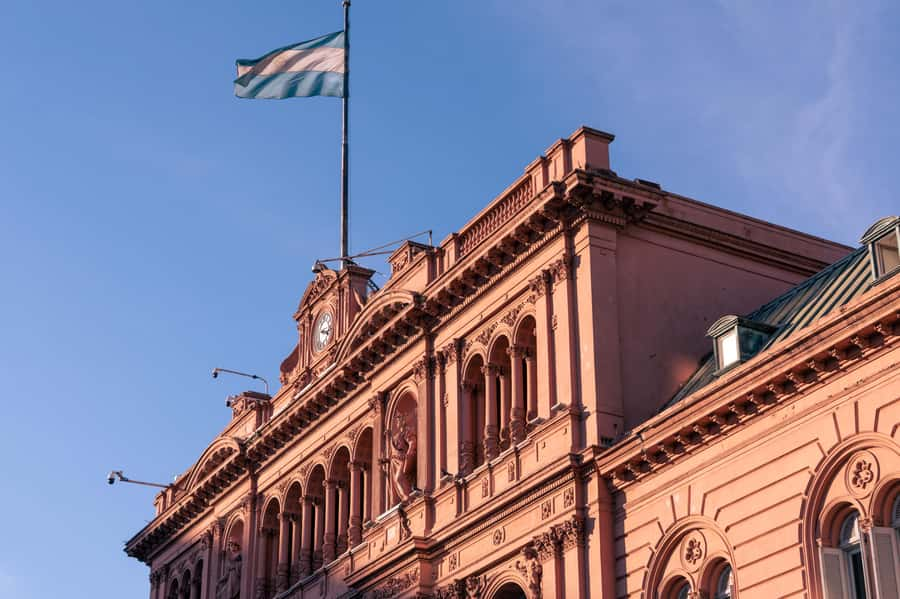
Casa Rosada is one of the tour’s headline sights. Its pink exterior is instantly recognizable, and its position beside Plaza de Mayo makes it an essential stop for anyone trying to understand Buenos Aires.
The scheduled visit here is brief, about 10 minutes, with time for photographs, guiding, and viewing the building from outside or passing through the area. That is enough for an introduction, but not enough for a detailed interior visit. If the palace is high on your list, treat this tour as an orientation and return separately if you want more time.
The value of the stop comes from context. Casa Rosada is not an isolated monument. It faces the square, sits near the Cabildo and cathedral, and forms part of a cluster of buildings tied to Argentina’s government and national identity. A guide can point out those connections while you look at the architecture.
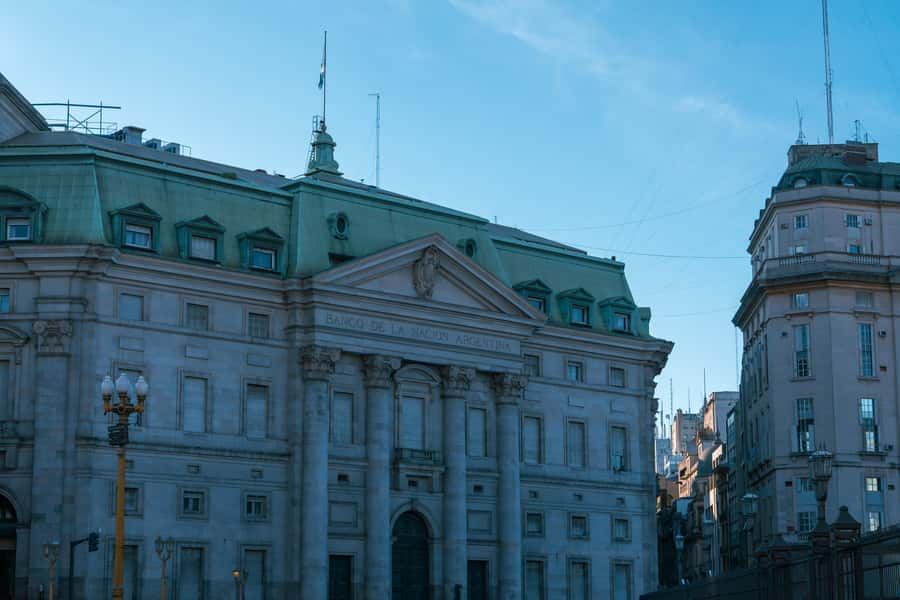
From here, you also see the Bank of the Argentine Nation, another imposing building in the central district. The contrast between financial power and executive power is part of what makes this short stretch of Buenos Aires so revealing.
The Garay Monument and the city’s second founding
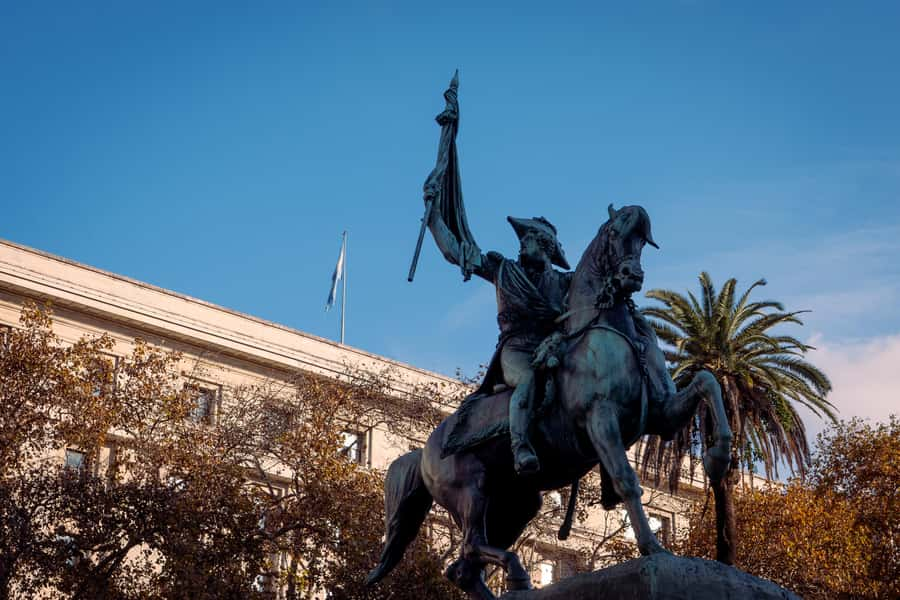
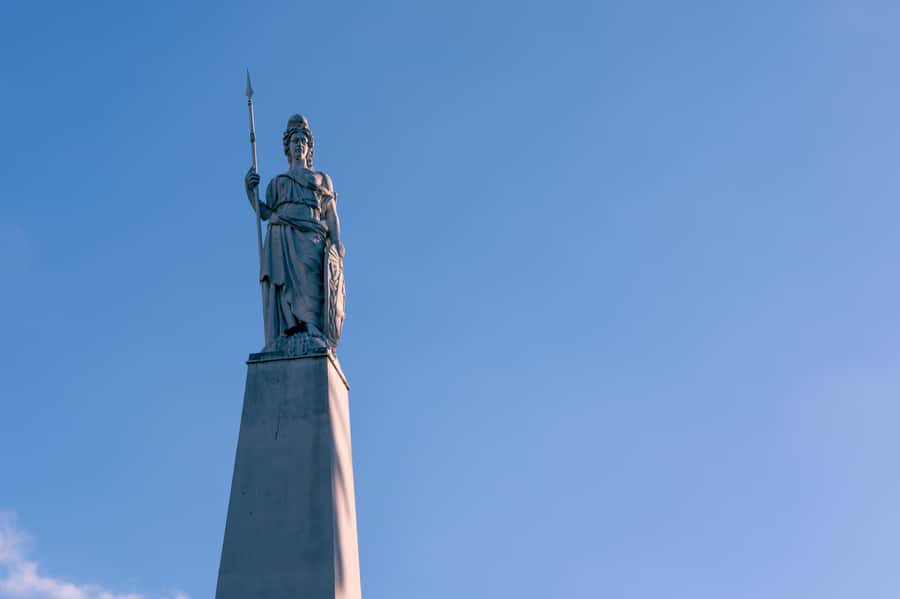
The Monumento a Juan de Garay adds a useful layer to the route. Juan de Garay is associated with the second founding of Buenos Aires, and the monument helps mark that chapter in the city’s development.
The stop lasts about 10 minutes and includes photographs and explanation. It is a good example of the tour’s approach: you are not only checking off famous façades, but also hearing why a particular statue or location matters.
The monument is connected with the Cultural Center, a building that once served as a grand post office palace. This area also offers a notable view toward the historic center. You might find this one of the more useful places for photographs because the view brings several parts of the old city together.
Do not expect a long museum visit at every stop. The route works best as a guided walk in which the guide gives you the story, points out details, and keeps you moving. If you prefer to spend 30 minutes studying one monument, this format may feel brisk.
More history walks in Buenos Aires:
- Recoleta Cemetery – Small Group Tour of History & Secrets
★ 5.0 · 53 reviews - Buenos Aires: San Telmo, History, Bars, and Tango!
★ 5.0 · 24 reviews - Buenos Aires: Historic District Private Guided Walking Tour
★ 4.7 · 9 reviews - Buenos Aires: Culture and History Private Tour
★ 5.0 · 6 reviews
The Bicentennial Museum and presidential relics
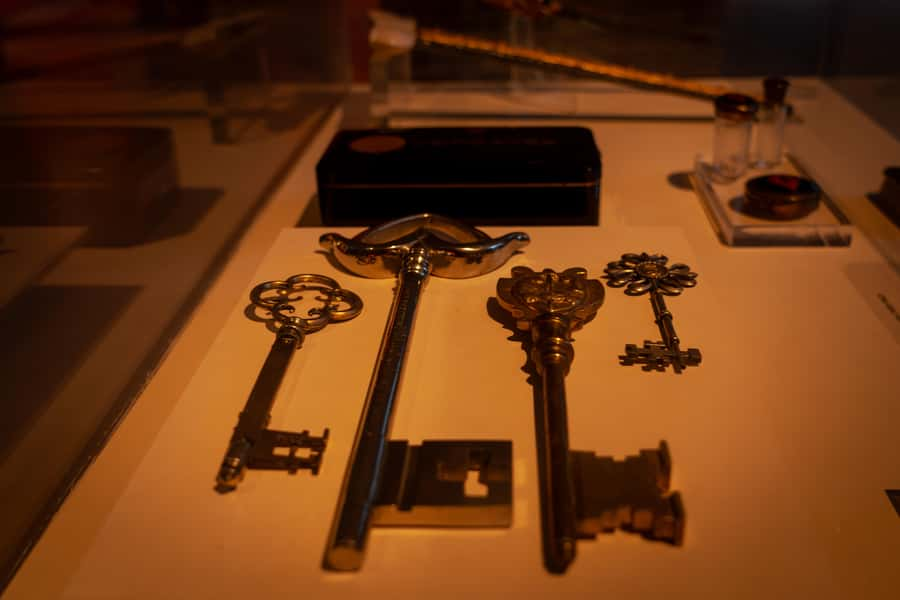
The Museo del Bicentenario is scheduled for about 20 minutes of visiting, sightseeing, and explanation. Its displays include objects connected with former presidents and notable works of art.
This stop helps turn political history into something more tangible. Instead of only looking at government façades, you get the chance to see objects and artworks linked to Argentina’s past leadership. That can make the country’s changes easier to follow, especially if you are new to Argentine history.
Twenty minutes is a useful introduction, though it is not a long museum session. I would listen closely to the guide’s explanation and note anything you want to investigate later. The museum adds indoor variety to a route that otherwise spends a lot of time outside.
The combination of Casa Rosada and the Bicentennial Museum is particularly effective. One gives you the working image of national power, while the other gives you selected physical reminders of earlier governments. Together, they create more meaning than either stop would provide alone.
Buenos Aires Metropolitan Cathedral
The Metropolitan Cathedral receives about 20 minutes, including a visit, photographs, and guided explanation. Its religious importance and location beside Plaza de Mayo make it one of the essential buildings on the route.
This is a welcome pause from the open square. You can look more closely at the building rather than seeing it only as part of a broad city view. The cathedral also gives the tour a different angle on Buenos Aires, showing the role of religious institutions alongside government and finance.
Your guide’s explanation matters here because a large church can be hard to read without help. Ask questions if you want to understand particular features or the building’s place in the city. Miguel has been praised for listening carefully and responding to questions, which suits a stop like this.
The visit is still time-limited. You will get an introduction, not an extended religious or architectural study. Dress respectfully and be prepared for the possibility that the atmosphere inside is quieter than the busy streets outside.
The Cabildo and the colonial city
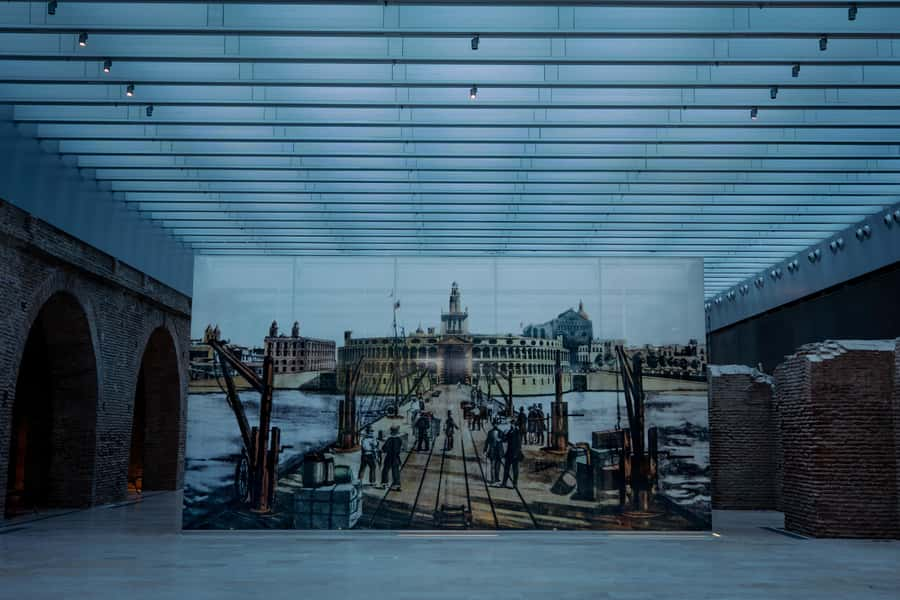
The Cabildo of Buenos Aires is one of the strongest history stops. This former civic building now serves as a museum preserving material connected with the city and the nation.
The planned 20-minute visit includes photographs, sightseeing, and guiding. That gives you enough time to understand why the Cabildo matters and to see it as part of the colonial center, even if you will not examine every display in detail.
I like this part of the route because it balances the modern image of Buenos Aires with an older civic setting. Casa Rosada represents the national government as you see it today, while the Cabildo helps explain how authority was organized in the earlier city.
Look at the surrounding buildings as well as the museum itself. Plaza de Mayo works as a visual lesson in changing architectural styles and political eras. You do not need to be an architecture expert to notice how the square brings different periods into one view.
Manzana de las Luces and the former convent
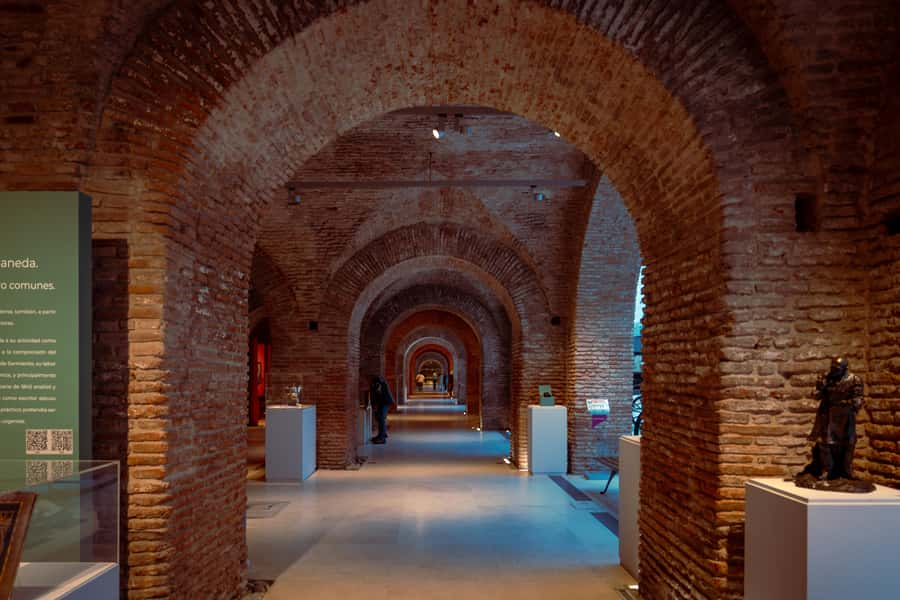
Manzana de las Luces is another substantial stop, scheduled for about 20 minutes. The name refers to a historic block associated with education, religious institutions, and civic life, and it gives the tour a more intimate setting than the wide spaces around Plaza de Mayo.
The broader route also includes the building now used by the Central Bank of the Argentine Republic, formerly the San Ramón Nonato Convent. That detail is easy to miss if you walk past on your own. It shows how Buenos Aires has repeatedly reused older buildings for new public purposes.
This is the sort of stop that justifies taking a guided walk instead of relying only on a map. A map can tell you where the building is. It cannot always tell you why a convent became a bank, how the site fits into the city’s growth, or what details deserve a closer look.
As with the other visits, the time is limited. You are sampling the area, not completing an exhaustive museum tour. If Manzana de las Luces catches your interest, write down its name so you can return with more time.
The City Legislature, Customs House, and Comic Strip Plaza
The route also takes in the City Legislature, known for its mix of architectural styles and tall clock. This is a useful reminder that Buenos Aires’ public buildings do not all speak in the same architectural language. The clock tower gives you an easy visual marker and a good subject for photographs.
You also see the Ministry of Defense, a very large building with views across the central area. Its scale can be striking when you approach it on foot. Rather than treating it as another façade, the tour uses it to show the size and reach of the state in the city.
The final stretch includes the National Customs House and Comic Strip Plaza. Customs connects the center with Argentina’s trade and port-facing identity, while Comic Strip Plaza brings a lighter note through public culture and cartoon art.
These later stops help prevent the walk from becoming a parade of official buildings. You get civic power, finance, religion, colonial government, art, and popular culture in one route. That range is one of the tour’s best features.
What Miguel adds to the experience
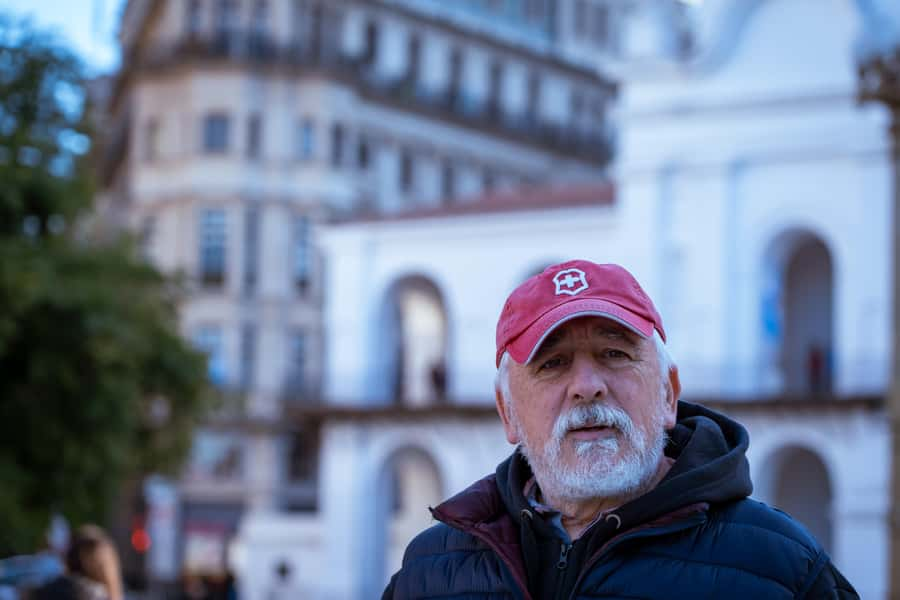
Miguel is the guide named in the available booking details, and his role appears to be central to the experience. He is described as friendly, careful with explanations, flexible during the walk, and attentive to questions.
Several specific touches make a difference. He has shown how to drink mate, Argentina’s well-known herbal drink, and he has taken people to places that other guides might skip or not access. Those details suggest a tour shaped by local familiarity rather than a simple list of landmarks.
The stated language is Spanish. One participant who had accidentally booked the Spanish option said Miguel conducted the tour in English instead, and another noted that he adjusted his explanations for limited Spanish ability. That is encouraging, but it is not a promise that every departure will be bilingual or in English. If you need English, contact the provider before paying.
The guide’s personal style matters because the tour covers a lot in a short time. A strong explanation can make the difference between remembering a sequence of buildings and understanding how they fit together.
Walking comfort, timing, and practical value
Plan on a genuine walking tour, not a coach excursion with short photo stops. Comfortable shoes are essential, and you should bring water, a hat, sunscreen, and clothing suited to the forecast.
There is no hotel pickup or drop-off, and food and drinks are not included. That keeps the price low, but you need to handle your own transport before and after the walk and eat or drink on your own schedule.
The 150-minute duration is long enough to cover the central sights without taking your entire day. I would schedule it early in your Buenos Aires visit, then use the guide’s explanations to decide where to return. You may want more time at the Bicentennial Museum, Cabildo, or Manzana de las Luces than the tour allows.
The experience is not suitable for people with mobility impairments or wheelchair users. The significant amount of walking and outdoor format also make it a poor choice if you need frequent seated breaks or sheltered access.
Cancellation is flexible: you can cancel up to 24 hours before the tour for a full refund. You can also reserve and pay later, which is useful when your arrival plans are still shifting.
Who should book this Buenos Aires walk
I would recommend it most strongly to first-time visitors, short-stay visitors, and anyone who wants a clear introduction before exploring Buenos Aires independently. It also suits people who enjoy history explained in person rather than reading plaques at their own pace.
It is a good match if you want famous sights plus a few less obvious buildings. The former convent, old post office palace, Garay Monument, ministry, customs building, and Comic Strip Plaza keep the route from feeling like only a Casa Rosada photo stop.
You should think twice if you want an English-language tour without checking first, if you dislike walking, or if you prefer long museum visits. The route is broad rather than slow, and Spanish is the official tour language.
At $20, I see solid value in the combination of landmarks, museum access, local stories, and two and a half hours with a live guide. The real value rises if you use the tour as a city orientation and return later to the places that deserve more time.
Should you book it?
Book this tour if you want to understand central Buenos Aires quickly and you are comfortable walking in the open air. The mix of Casa Rosada, Plaza de Mayo, the cathedral, Cabildo, Manzana de las Luces, former convent, museums, and public buildings gives you a useful first chapter in the city.
I would book it early in your stay, wear practical shoes, and confirm the language before reserving. Skip it if you need step-free access, dislike a brisk route, or want a specialist architectural tour. For most able walkers seeking a low-cost introduction, it is a sensible way to get your bearings and learn what deserves a second look.
FAQ
Where does the tour begin?
The meeting point is near the flagpole at Plaza de Mayo in Buenos Aires.
How long does the tour last?
The tour lasts 150 minutes, or two and a half hours.
What language is the tour conducted in?
The listed tour language is Spanish. Miguel has adapted explanations into English for some participants, but you should confirm English availability before booking.
How much does the tour cost?
The price is $20 per person.
Is hotel pickup included?
No. Hotel pickup and drop-off are not included, so you need to reach Plaza de Mayo independently.
What should I bring?
Bring comfortable walking shoes, a hat, sunscreen, and water. Check the forecast and dress for outdoor conditions.
Is the tour suitable for wheelchair users?
No. The activity is not suitable for wheelchair users or people with mobility impairments.
Are food and drinks included?
No. Food and drinks are not included in the tour price.
Can I cancel for a refund?
Yes. You can cancel up to 24 hours in advance for a full refund. You can also reserve now and pay later.
Just added around Buenos Aires
- Tango Show at El Querandi with optional Dinner★ 4.2 · 3 reviews
- Wine Tasting in Buenos Aires★ 4.2 · 4 reviews
- Walking Tour: Buenos Aires bookstores★ 4.3 · 12 reviews
- Velez Sarsfield Football Match★ 5.0 · 3 reviews
- Unique Tigre and Delta Private Day Cruise Navegation★ 5.0 · 3 reviews
- Private Underground Tango Immersion★ 5.0 · 31 reviews
- Sailing with Wine Tasting in Buenos Aires★ 5.0 · 50 reviews
- Experience The Essence of Buenos Aires in San Telmo★ 5.0 · 51 reviews
Historical Tours, compared.

Nazis in Buenos Aires: a historical walking tour
Read our review →

Historical Guided Tour with Street Food & Drinks
Read our review →

Recoleta Cemetery – Small Group Tour of History & Secrets
Read our review →


Browse the lists this tour appears in