
Reviewed · WORKSHOPS
City of Salta: Alpaca and leather handicraft workshop in the open air!
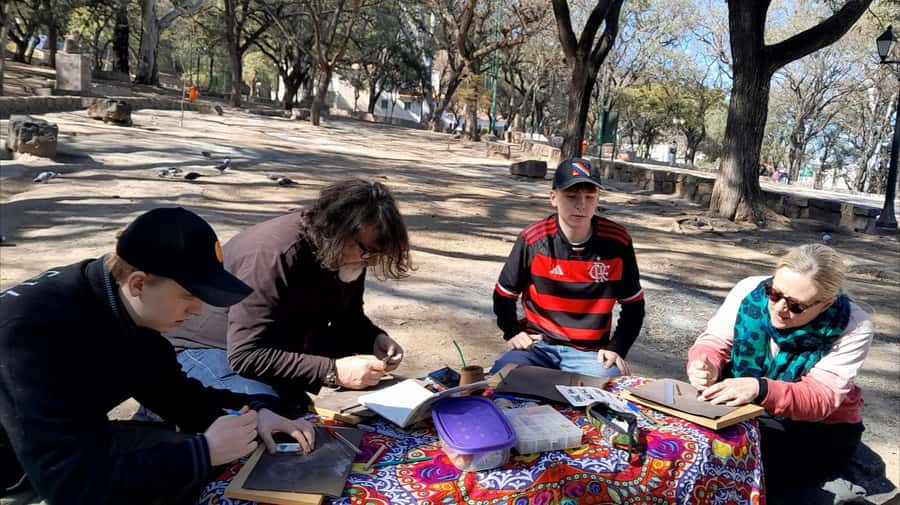
At the foot of San Bernardo Hill, you can turn a piece of Argentine leather and silver-colored alpaca metal into a wallet, card holder, or bracelet. Carlos guides the work step by step, then shows you how to prepare and drink mate, Argentina’s famously social herbal infusion. I like the small four-person format and the fact that you leave with something you made yourself.
I also like the outdoor setting beside the Martín Miguel de Güemes monument, where the workshop feels tied to Salta rather than shut away in a studio. The main consideration is simple: you need to be comfortable working outside, with sun and insects possible, and the activity is not suitable for children under 10, people with mobility or visual impairments, or people with insect allergies.
Key points to know before booking
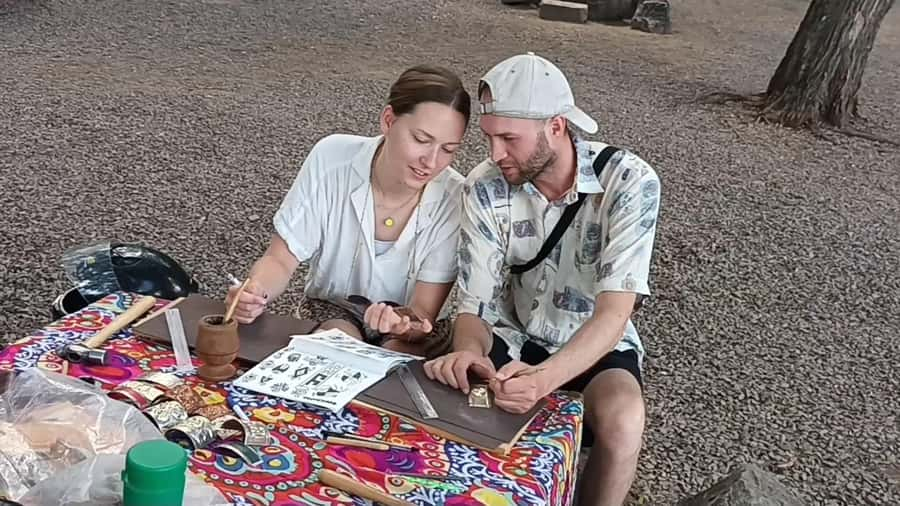
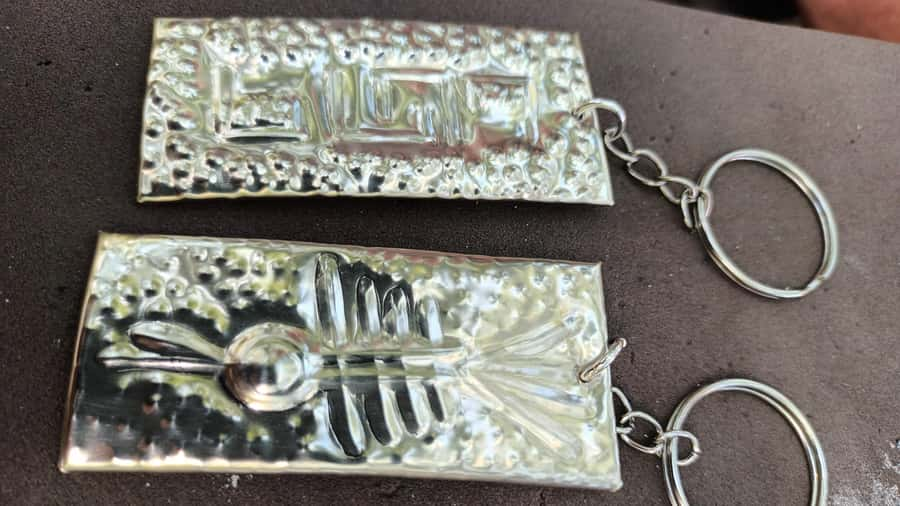
- Make one personal accessory: Choose a wallet, card holder, or bracelet, then decorate it with an alpaca embossing technique.
- Work with Argentine materials: The workshop supplies 100 percent Argentine leather, alpaca metal, and all required tools.
- Meet Carlos in a natural setting: The group gathers on the steps at the Martín Miguel de Güemes monument, at the foot of San Bernardo Hill.
- Learn the mate ritual: Your craft session includes mate and an explanation of how to prepare and drink it properly.
- Keep the group tiny: A maximum of four participants allows for close instruction and plenty of hands-on time.
- Plan for outdoor conditions: Bring a hat, biodegradable sunscreen, comfortable clothing, and biodegradable insect repellent.
Making a Salta souvenir by hand
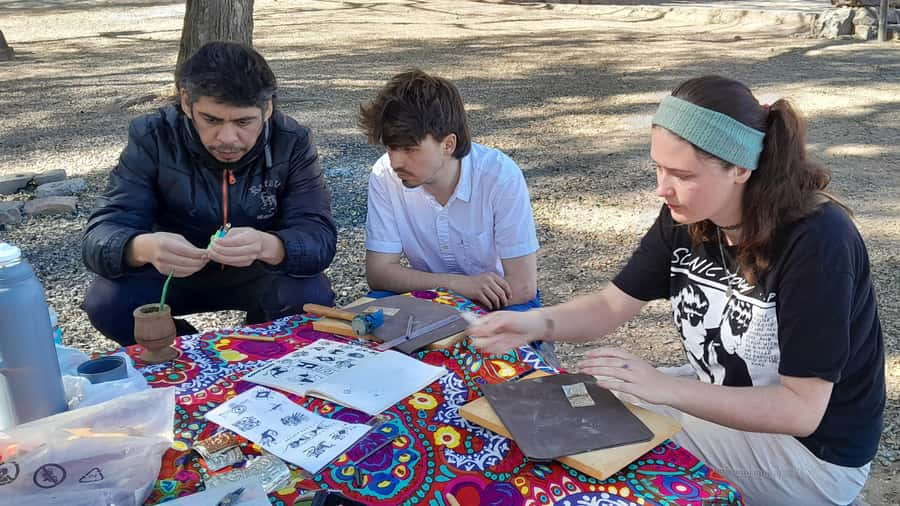
Many Salta souvenirs are easy to buy and just as easy to forget. This workshop gives you a different kind of keepsake: a useful object that carries the marks of your own work.
The central technique is alpaca embossing. Alpaca is a malleable metal with a color and shine similar to silver. Here, you apply it to high-quality leather to create a personal design on your chosen accessory. The activity is not a factory visit or a quick demonstration. You handle the materials and tools yourself, with Carlos helping you through the process.
That distinction matters. You do not need to arrive with artistic training, but you should expect to make choices and take part. The finished piece may have small signs of being handmade. That is part of its appeal. It will reflect your style, your decisions, and your level of patience.
You choose one of three creations:
- A wallet for cards and cash
- A card holder for a smaller, tidy everyday accessory
- A bracelet for a wearable souvenir with a more decorative purpose
A wallet gives you the most practical item. A card holder is a good choice if you want something compact and refined. The bracelet may suit you best if you prefer a piece that feels more like jewelry than luggage or travel gear.
A few more Salta half-days to weigh up
- Buenos Aires: Empanadas and Alfajores Guided Cooking Class
★ 4.8 · 486 reviews - Buenos Aires: Private Tango Lesson
★ 4.9 · 244 reviews - Buenos Aires: Empanada & Alfajor Cooking Lesson in Palermo
★ 4.6 · 186 reviews
Meeting beneath San Bernardo Hill
The meeting point is the steps at the foot of the Martín Miguel de Güemes monument. The workshop takes place outdoors, surrounded by nature near San Bernardo Hill, and ends at the same location.
That setting gives the activity a clear sense of place. You are not simply sitting in a generic classroom. The hill, monument, open air, and mate all connect the craft session to Salta’s local character. It also makes the workshop feel relaxed and social, especially for people who enjoy a conversation while they work.
There is a practical tradeoff. Outdoor workshops depend on your comfort with the conditions of the day. Bring a hat and biodegradable sunscreen, and wear clothes that let you sit and work comfortably. Biodegradable insect repellent is also specifically recommended. People with insect allergies should not book this activity.
The meeting point is outdoors, so check the starting time when you reserve and give yourself enough time to reach the monument. No transport is included or described, and the activity begins and finishes at the meeting point.
What the hands-on session is like
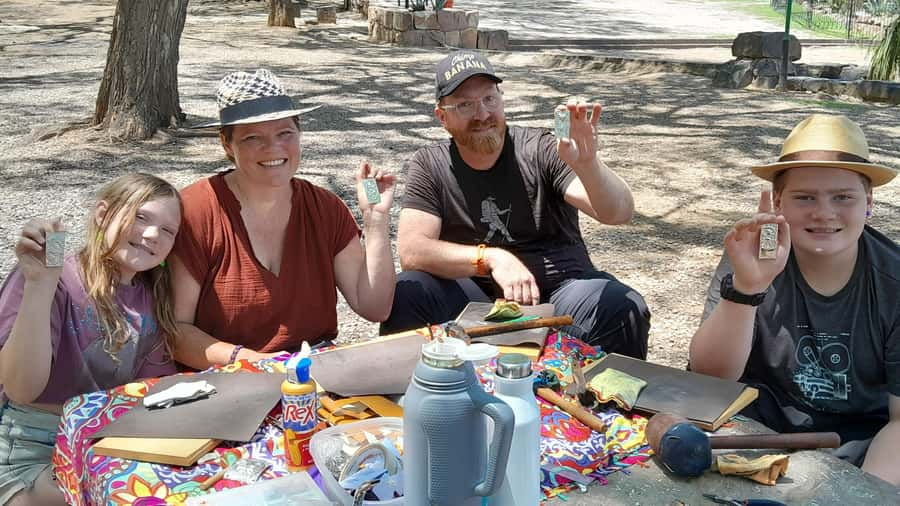
The full activity lasts two hours, while the workshop details describe about one hour and 30 minutes of craft work. That leaves room for settling in, choosing your item, talking with Carlos, and enjoying mate without having to rush through the creative part.
Carlos leads you through the technique rather than leaving you to guess. Participants who enjoyed the activity particularly valued his balance between giving help and allowing them to make their own choices. That is important in a craft class. Too much instruction can make the item feel like the teacher’s work, while too little can leave you struggling with the tools.
Expect a practical lesson with the alpaca and leather in front of you. You will work with the supplied metal, leather, and necessary tools, and Carlos will help you understand how to apply the embossing. The activity is designed for participation, so choose it because you want to make something, not simply watch someone else demonstrate.
The small group limit of four is one of the strongest features. In a larger class, hands-on instruction can become a queue. With only a few people, Carlos can spend more time helping you with the process and answering questions. It also gives the session a more personal feel.
The language options are English and Spanish. That makes the activity accessible to people who do not speak Spanish, while still keeping a connection to local culture.
Three creations, three kinds of souvenirs
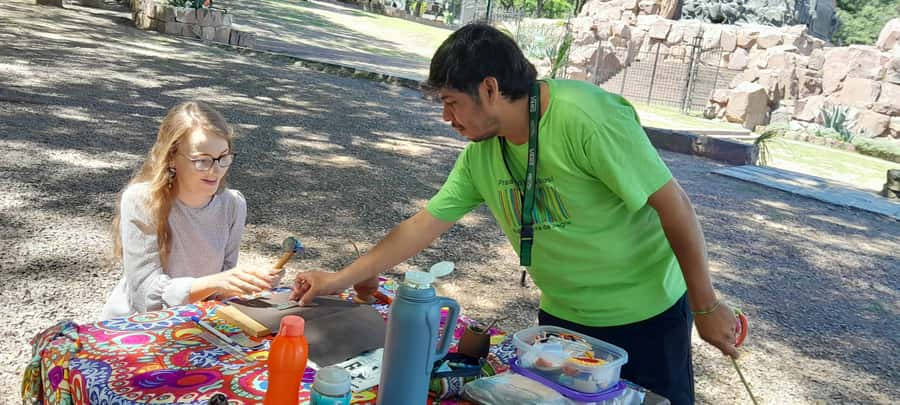
Your choice of item affects both the feel and usefulness of the workshop.
Same city, a completely different kind of day:
- From Salta: Full-Day Trip to Salinas Grandes and Purmamarca
★ 4.6 · 914 reviews - From Salta: Full-Day Tour to Cafayate with Wine Tasting
★ 4.5 · 478 reviews - From Salta: Salinas Grandes, Purmamarca & Los Colorados Hike
★ 4.3 · 356 reviews - Full-Day Tour Cafayate Calchaqui Valleys with Wine
★ 4.5 · 347 reviews
The wallet
The wallet is the most practical option. You can use it for cash and cards after the activity, so it serves as both a souvenir and an everyday object. It is likely the best choice if you want your handmade piece to become part of your regular routine.
The drawback is that a wallet may require more attention if you want it to look neat and balanced. You should choose it because you want a useful leather item, not only because it seems like the largest option.
The card holder
The card holder is smaller and more focused. It is suited to shopping cards and a lighter everyday carry. If you prefer simple accessories or want a compact piece that fits easily in a pocket or small bag, this is the sensible pick.
Because it is smaller, the design area may feel more limited than on a wallet. That can be a benefit if you like clean, restrained designs, but less so if you want lots of decoration.
The bracelet
The bracelet turns the alpaca and leather work into something personal and visible. It is a good choice if you enjoy wearing souvenirs rather than storing them in a drawer.
A bracelet is also the most style-dependent option. Think about whether you normally wear this kind of accessory and choose colors or patterns that suit you. The point is not to copy a standard design. It is to create a piece that feels like yours.
Mate adds a social side to the craft
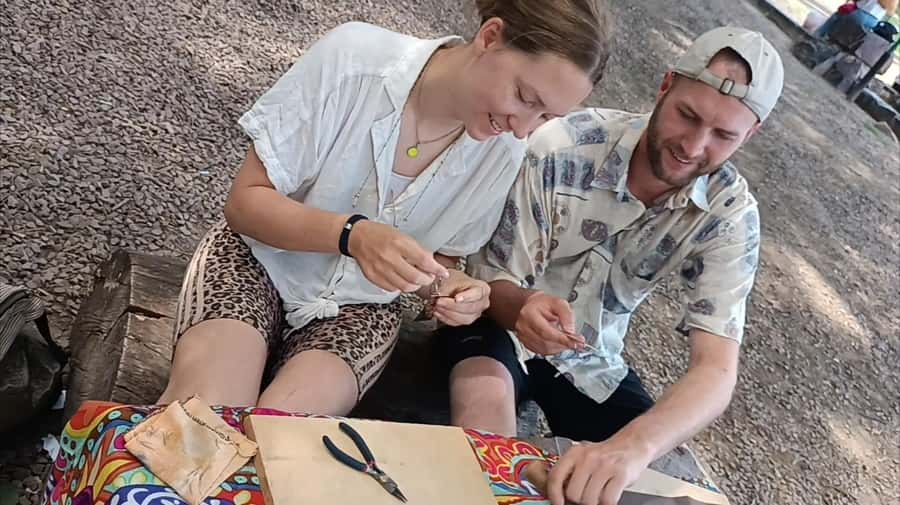
Mate is not just a drink served alongside the workshop. Carlos also teaches you the proper way to prepare and drink it, giving the session a small but meaningful cultural lesson.
The shared nature of mate makes it a natural part of conversation. You can talk with Carlos while working, ask about the craft, and learn why the drink is such a familiar part of daily life in Argentina. For many people, this may be the first time they learn the ritual directly rather than simply seeing mate cups in a shop or café.
I like this pairing because the two activities complement each other. The leather and alpaca work keeps your hands busy, while mate creates a reason to pause and talk. You get a physical souvenir and a cultural experience that does not require a long lecture.
You should keep an open mind if mate is new to you. The activity includes the infusion, but the description does not promise a separate meal or a range of drink choices. Come for the lesson and the chance to try a traditional Argentine custom.
Why the $22 price can make sense
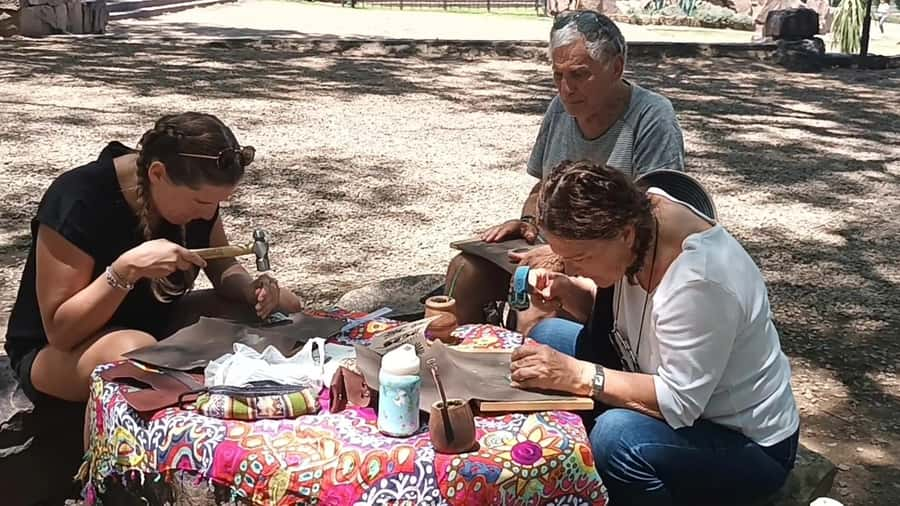
At $22 per person, the price includes the materials, tools, alpaca metal, high-quality Argentine leather, mate, and instruction. That makes the cost easier to judge than an activity where you pay mainly for admission or a view.
The value depends on what you choose to make and how much you care about the hands-on part. If you want the cheapest possible souvenir, a market purchase will likely cost less. If you want a practical object made with your own effort, the workshop gives you more than a finished item on a shelf.
You are also paying for a very small group and personal guidance from Carlos. With a maximum of four participants, the instruction is likely to feel more direct than a large craft class. The price is reasonable for a two-hour cultural activity with materials included, especially if you value authentic contact and a souvenir you helped create.
I would not book it if you dislike outdoor activities or have no interest in making anything. The cost is best justified by participation, not by simply sitting in a scenic spot.
Who will enjoy this workshop most
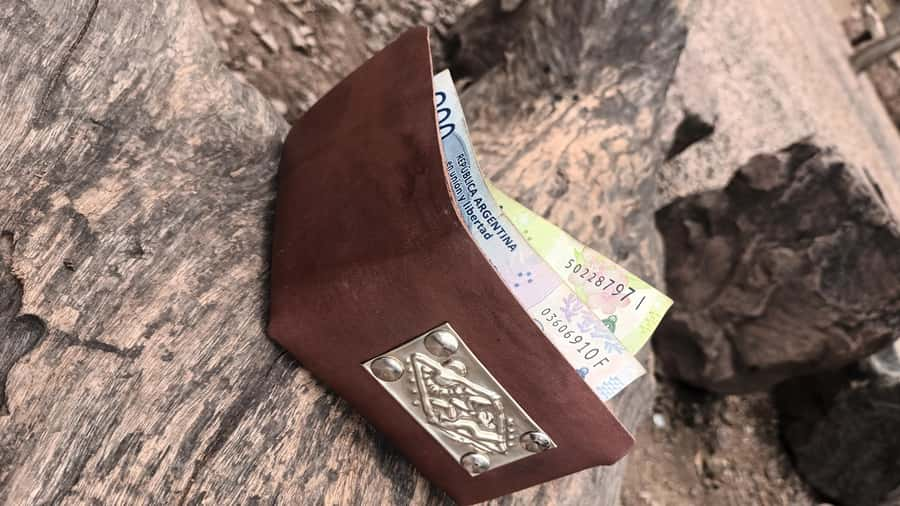
This experience suits adults and older children who like craft, local traditions, and informal conversation. It is especially good for you if you prefer an activity with a finished product rather than a sightseeing stop that ends when you take a photograph.
Couples, friends, and solo participants can all fit the format, though the group limit means you should check availability for your preferred time. The small setting should work well for anyone who wants to ask questions or needs a little help with a new technique.
It may also appeal to people looking for a personal gift. A wallet, card holder, or bracelet made during a trip has a stronger story than a standard souvenir. You can tell someone where you made it, what material you used, and how you learned to decorate it.
This is not the right activity for everyone. It is not suitable for children under 10, people with mobility impairments, people with visual impairments, or people with insect allergies. Since it is entirely outdoors, you should also reconsider if you need an indoor backup or find sun and insects uncomfortable.
Practical planning for an outdoor session
Wear comfortable clothes that you can work in without worrying about them. Bring a hat, biodegradable sunscreen, and biodegradable insect repellent. These are not decorative suggestions. You will spend the activity outdoors, and the setting near the hill may expose you to sun and insects.
Do not bring alcohol or drugs. The activity is intended as a focused craft and cultural session.
The meeting and ending point are the same: the steps at the foot of the Martín Miguel de Güemes monument. Since no transport is included, plan your route before the start time. Check availability for the exact starting time, as the schedule can vary.
The activity offers free cancellation up to 24 hours before the start for a full refund. You can also reserve now and pay later, which helps if you are still arranging the rest of your Salta plans.
My call: book it if you want a useful keepsake
I would book this workshop if I wanted a small, personal experience in Salta that combines making, conversation, and local tradition. The strongest reasons are the four-person limit, Carlos’s hands-on guidance, the included mate lesson, and the chance to leave with a useful item rather than a mass-produced souvenir.
Choose the activity with realistic expectations. You will be outdoors, you will need to take part, and the finished piece will show your own work. If that sounds appealing, $22 is a fair price for the materials, instruction, cultural context, and time with a local artisan.
Pick the wallet for usefulness, the card holder for simplicity, or the bracelet for something personal to wear. If you are comfortable with the outdoor setting and meet the suitability requirements, this is one of the more memorable ways to spend two hours in Salta.
FAQ
Where does the workshop meet?
The meeting point is on the steps at the foot of the Martín Miguel de Güemes monument, near San Bernardo Hill in Salta Province.
Where does the activity finish?
The activity ends back at the same meeting point.
How long does the experience last?
The activity lasts two hours. The workshop portion is described as approximately one hour and 30 minutes.
What can I make during the workshop?
You can choose to make a wallet, card holder, or bracelet using Argentine leather and alpaca embossing.
Are materials and tools included?
Yes. The price includes alpaca metal, 100 percent Argentine leather, the necessary tools, and mate.
What languages does the instructor speak?
The instructor offers the activity in English and Spanish.
How many people are in the group?
The group is limited to four participants.
What should I bring?
Bring a hat, biodegradable sunscreen, comfortable clothes, and biodegradable insect repellent. The workshop is held entirely outdoors.
Is the activity suitable for children?
It is not suitable for children under 10 years old.
Can I cancel for a refund?
Yes. You can cancel up to 24 hours in advance for a full refund.
Just added around Salta
- Tucumán: Tafí del Valle Full Day Tour★ 3.8 · 4 reviews
- Trekking Purmamarca★ 5.0 · 52 reviews
- Salinas Grandes and Purmamarca Full Day Tour★ 4.5 · 34 reviews
- Tilcara: 2 hours cycling tour trough the rural area★ 5.0 · 5 reviews
- Salta: Tour to the Salinas Grandes and Purmamarca★ 3.7 · 3 reviews
- Salta or Jujuy: Iruya and Salinas Grandes 2-Day Tour★ 4.3 · 3 reviews
- From Salta: Cafayate, Humahuaca, Cachi, & Salinas Grandes★ 4.3 · 13 reviews
- Salta en un Bocado – Cultural Tour & Empanada Tasting★ 5.0 · 3 reviews
Workshops, compared.


3h Cooking Class in Mendoza with 7 Recipes & Bottomless Drinks
Read our review →
Tango Porteño Show with Optional Dinner and Tango Lesson
Read our review →
Spanish Group Course in Buenos Aires, Argentina: 20 Lessons
Read our review →
Browse the lists this tour appears in