
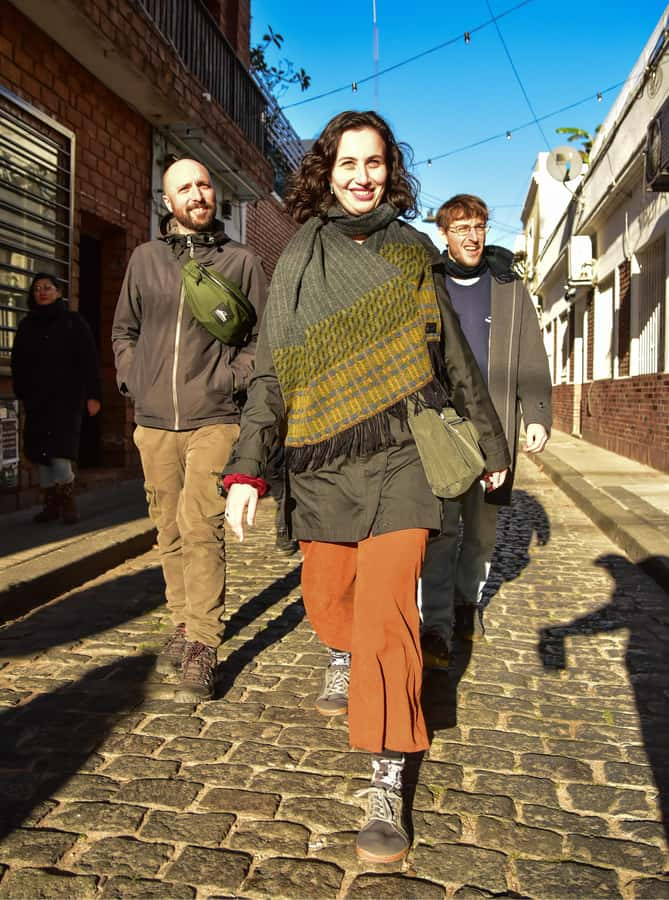
Reviewed · SAN TELMO & LA BOCA TOURS
Palermo SoHo for curious people
Palermo SoHo looks like a polished district of cafés, designer shops, and photo-ready walls. This walk asks what came before the sourdough and boutique hotels, and who gained or lost ground as the neighborhood changed. With anthropologist Nico, you discuss gentrification, immigration, and real estate rather than simply ticking off pretty streets.
I like the tour’s conversation-first format and its clear route from Distrito Arcos to Plaza Serrano. I also like that it connects everyday details, such as the train, tram, changing exchange rates, and popular restaurants, to larger questions about Buenos Aires.
The main consideration is pace. Two hours gives you enough time for a sharp introduction, not a full study of Palermo. The walk includes several short stops, but much of the value comes from listening and talking rather than entering major sights.
Key points at a glance
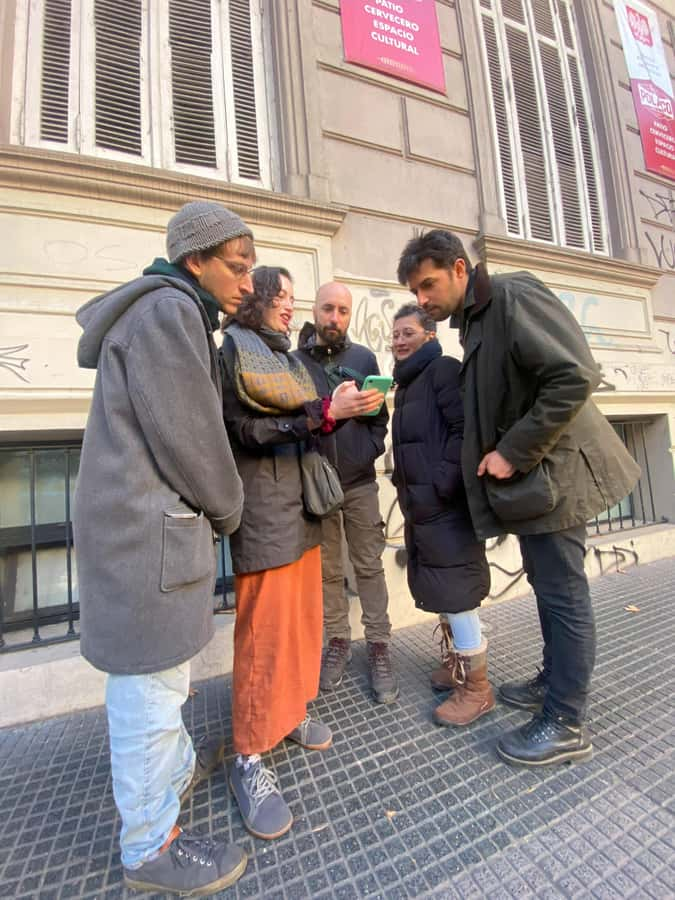
- A social history walk: Learn how trains and trams helped shape Palermo and who lived here first.
- A close look at gentrification: Discuss how Palermo became SoHo and what that change means for residents and businesses.
- An immigration thread: Visit Ukrainian, Polish, Armenian, and other cultural landmarks along the route.
- A practical Argentina lesson: Connect property speculation and the peso devaluation to the neighborhood’s changing prices.
- A conversation with Nico: Ask questions throughout the walk instead of waiting for a speech to end.
- Good value at $25: Two hours, a university-trained guide, and a route through one of Buenos Aires’ most talked-about districts.
Palermo SoHo before the polished storefronts
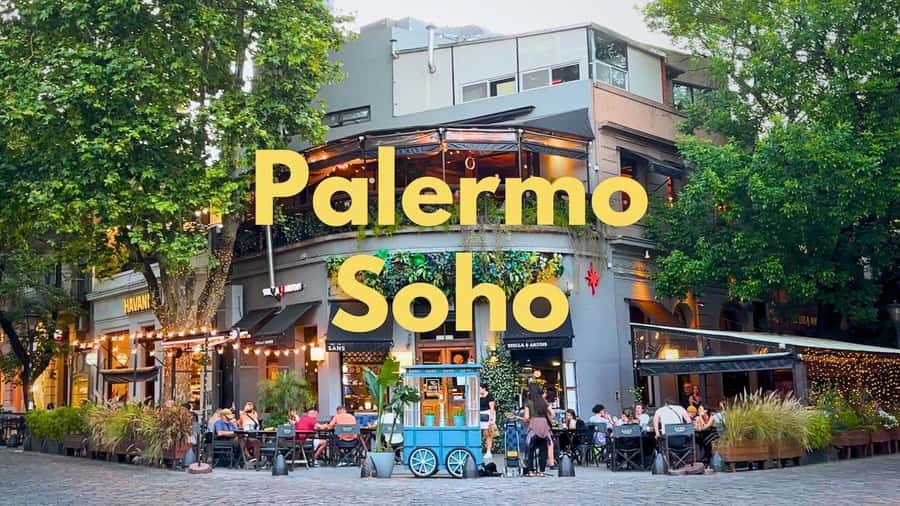
The useful thing about this experience is that it treats Palermo SoHo as a neighborhood, not a shopping label. You still see the restaurants, cafés, bars, and boutiques that give the area its current appeal. But you also ask why those businesses appeared here, what they replaced, and how the name SoHo changed the way people viewed the district.
That makes this a good choice if you have already seen the standard Buenos Aires sights and want a sharper sense of how the city works. The tour does not present Palermo as a timeless quarter. Instead, it places the current scene inside a longer story of transport, migration, commerce, property prices, and currency trouble.
Nico leads the walk in English, Spanish, or French. His approach is informative, humorous, and professional, with room for questions. That matters here because the subject can become abstract very quickly. A guide who can connect a street corner to a real local issue gives the walk more force than a list of dates and building names.
More San Telmo and La Boca walks:
- Buenos Aires: La Boca Guided Walking Tour in English
★ 4.8 · 1,587 reviews - Palermo: Graffiti and Street Art Guided Tour in English
★ 4.8 · 684 reviews - Buenos Aires: Puerto Madero Sunset Cruise with Open Bar
★ 4.1 · 439 reviews
From Distrito Arcos to Puente Pacífico
The meeting point is by the amphitheater at Distrito Arcos, beside the Montagne store. Distrito Arcos is a useful place to begin because it already shows one side of modern Palermo: a shopping complex set in a renovated railway setting. You are not starting at a grand monument. You are starting in a place that raises the tour’s first question: how does old infrastructure become a new commercial space?
The route then reaches Puente Pacífico, where the guided portion lasts about 15 minutes. Here, the transport story comes forward. The tour asks what the train and tram had to do with Palermo’s origins, and that is more than a local curiosity. Transport helps explain why districts grow, who can reach them, and how land gains value.
You should expect to walk and listen, not climb or enter a museum. The opening section gives you a framework for the rest of the route. If you enjoy understanding why a neighborhood sits where it does, this is a strong start. If you want immediate food tasting or interior visits, the first part may feel more talk-heavy.
Polo Científico Tecnológico and the changing city
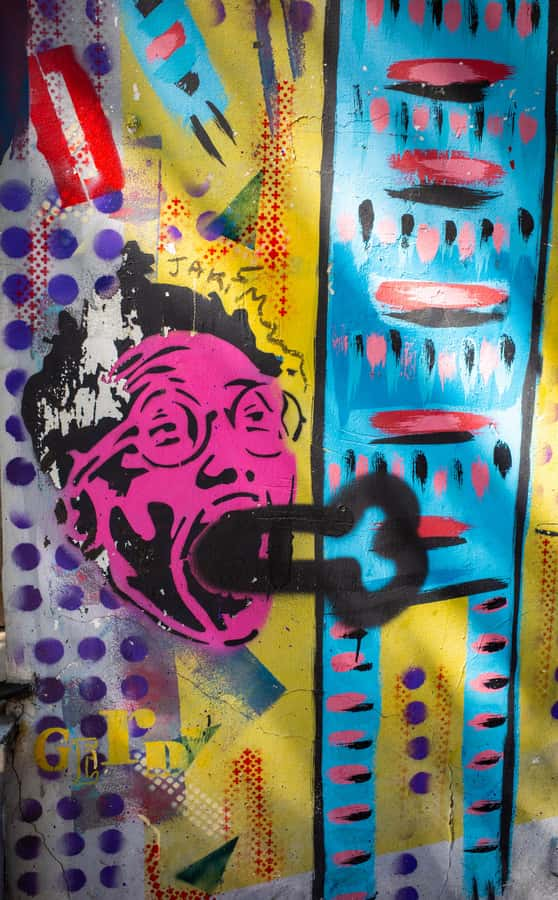
The next stop is Polo Científico Tecnológico, with about 20 minutes of guided discussion. This is one of the longer stops, so it gives Nico time to connect Palermo’s past with its current identity as a place associated with business, design, technology, and new investment.
The stop works best when you listen for the tension between public purpose and private value. A neighborhood can gain new institutions, better-known addresses, and more foot traffic while also becoming harder for some people to afford. The tour uses Palermo to explain that tension without reducing it to a simple good-or-bad story.
You will hear about real estate speculation and the effect of Argentine peso devaluation on property and business decisions. The subject is useful even if you know little about Argentina’s economy. Palermo’s cafés and renovated spaces are not isolated from national events. Currency changes can alter rents, construction costs, investment plans, and the price of a meal for people who live nearby.
The discussion also covers the country’s unusual exchange-rate situation. You do not need an economics background to follow the point. The guide helps you see how currency rules and competing exchange rates can affect the way visitors and locals experience a district.
Pasaje Emilio Zola and Palermo’s smaller passages
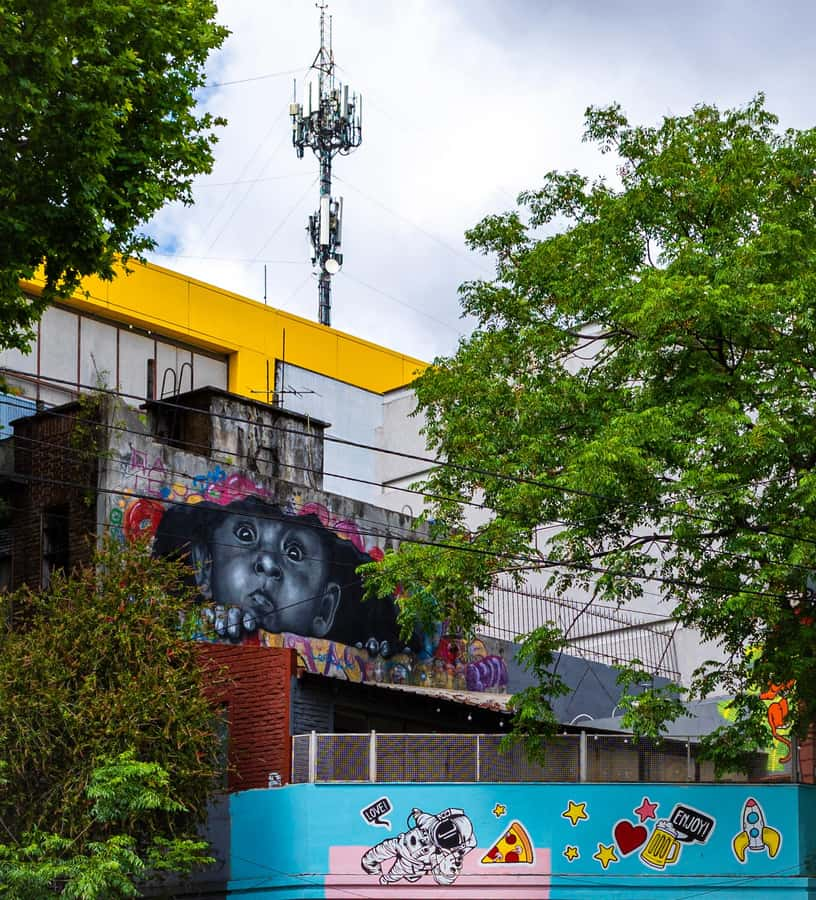
Pasaje Emilio Zola is a shorter visit of about 10 minutes. Smaller passages are often where a neighborhood’s scale becomes clearer. Main avenues show the public face of Palermo. A passage can give you a better sense of how streets, homes, businesses, and pedestrian movement fit together.
Do not expect a major attraction with a long interior visit. The value is in seeing a quieter piece of the district and using it as a prompt for discussion. Nico’s role is important here. He can point out how an apparently ordinary lane fits into the larger story of land use and neighborhood change.
This part also helps break up the longer explanations at the early stops. The route moves between infrastructure, institutions, passages, cultural groups, and restaurants. That variety keeps the walk from becoming a lecture held in one place.
A few more Buenos Aires half-days to weigh up
- Buenos Aires Hop-On Hop-Off Bus, Free Walking Tours & Discounts
★ 4.5 · 2,218 reviews - Buenos Aires: Piazzolla Tango Show with Optional Dinner
★ 4.4 · 2,122 reviews - Buenos Aires: City Highlights Guided Tour with Transfer
★ 4.7 · 1,946 reviews - Buenos Aires: Hop-On Hop-Off City Bus Tour
★ 4.2 · 1,855 reviews
Ukrainian and Polish connections in Palermo
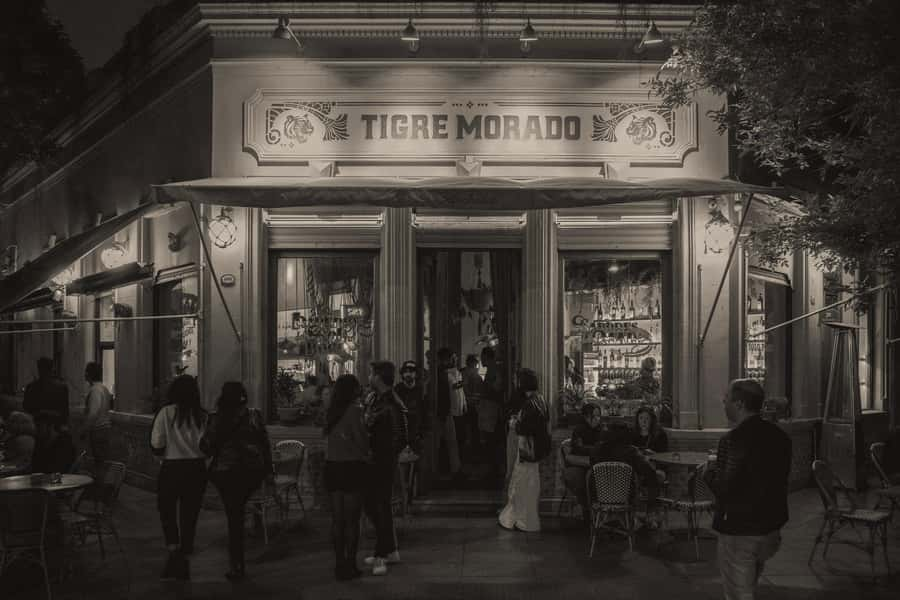
The Asociación Ucrania de Cultura Prosvita in Argentina receives about 15 minutes of guided attention. This is one of the route’s most distinctive elements. Palermo SoHo is commonly sold through its current food and shopping scene, but this stop brings immigration and community life back into view.
The tour asks who Palermo’s first inhabitants were and how immigrant communities helped shape the area. A cultural association is valuable because it points to organized community life, not just a decorative reference to another country. You get a chance to consider how people maintained language, identity, and social links while building lives in Buenos Aires.
The walk later includes Klub Polaco, which you visit for about five minutes, and ACILBA, which you pass by for about three minutes. These shorter stops add pieces to the same story. You are not visiting a single immigration museum, so the route will not give you a full institutional history of every group. Instead, it shows how several cultural threads sit within the neighborhood you are walking through.
For me, this is one of the tour’s strongest choices. It asks you to look past the fashionable label Palermo SoHo and notice the communities that existed before the label became popular.
El Preferido, Don Julio, and the business of being fashionable
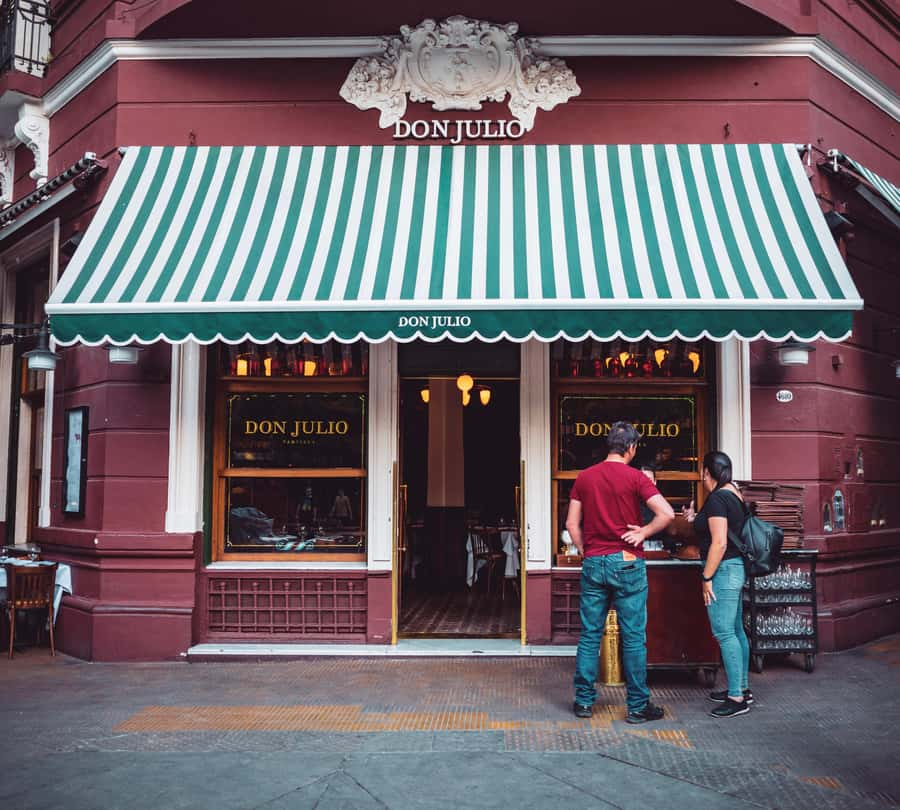
El Preferido de Palermo gets about five minutes of guided attention. Don Julio Parrilla is a five-minute visit. These names connect the social history discussion to the restaurants that help define Palermo’s current reputation.
You are not signing up for a food tour, and the schedule does not promise a meal or a tasting. That is important. The restaurants function as examples of how places become symbols of a neighborhood. They help Nico explain the shift toward chic bars, restaurants, avocado toast, sourdough bakeries, and a style of dining that attracts both locals and international visitors.
This section should be especially useful if you are curious about how a neighborhood becomes a brand. A restaurant can be a local business, a destination, a property-value signal, and a piece of a city’s tourist image all at once. The tour encourages you to think about those different roles.
The short timing also tells you what to expect. You get context and an exterior visit, not a leisurely meal. If you want to eat at El Preferido or Don Julio, plan that separately and do not count on the walking tour to provide a table.
Plaza Inmigrantes de Armenia and the wider immigration story
The route continues to Plaza Inmigrantes de Armenia, with about 10 minutes of guided discussion. This stop gives the immigration theme a public setting. A named plaza makes cultural memory visible in the street, and it allows the guide to connect community identity with the way Buenos Aires marks its past.
By this point, the route has introduced Ukrainian and Polish connections, along with other cultural references. The Armenian plaza helps you see Palermo as a place shaped by several communities rather than a single origin story. It also balances the modern SoHo image with a longer account of people arriving, settling, organizing, and leaving their mark.
This is the kind of detail I value on city walks. It does not require a grand monument. A name on a plaza can lead to questions about who is remembered, how neighborhoods honor communities, and what parts of the past are less visible.
Helados Italia and the practical pause
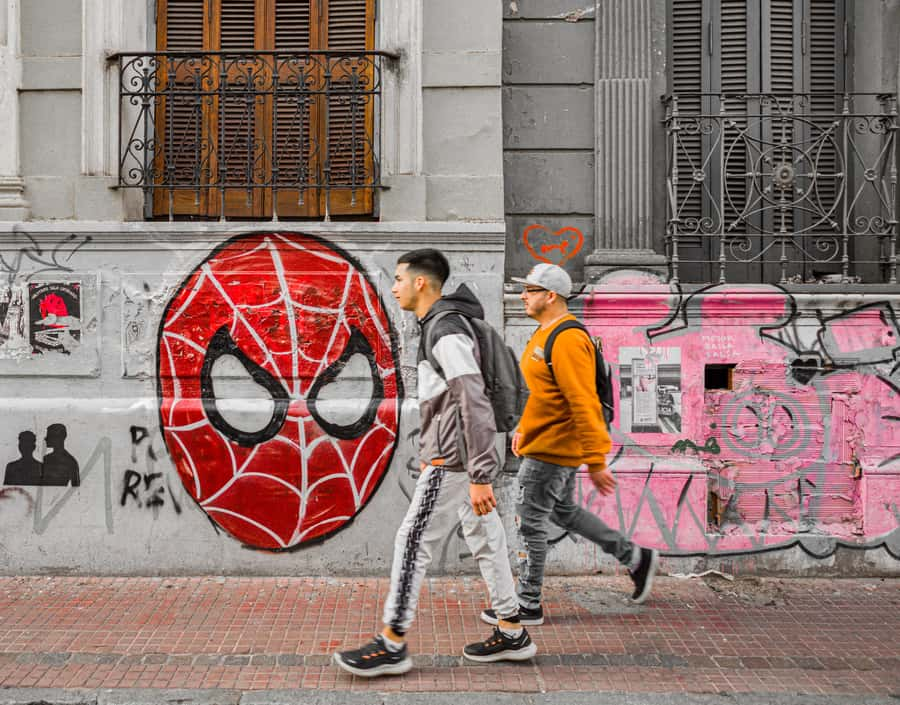
Helados Italia is the scheduled break, lasting about 15 minutes. This gives you a chance to stop, reset, and continue the conversation in a less formal setting. It also brings the tour back to ordinary neighborhood life after several historical and economic discussions.
The information provided does not promise that ice cream is included in the $25 price, so treat this as a pause rather than a prepaid tasting. You can use the time to ask Nico about places you want to find later. One useful feature of the experience is that he has helped participants locate spots that interested them, so this is a good moment to raise practical questions.
A break also makes the two-hour length easier to manage. You are walking, stopping, and talking rather than covering a large number of sights at top speed. Still, wear comfortable shoes and bring what you need for a city walk. The tour is wheelchair accessible, but the activity remains a walking experience with several street-level stops.
Pasaje Russel and the final approach to Plaza Serrano
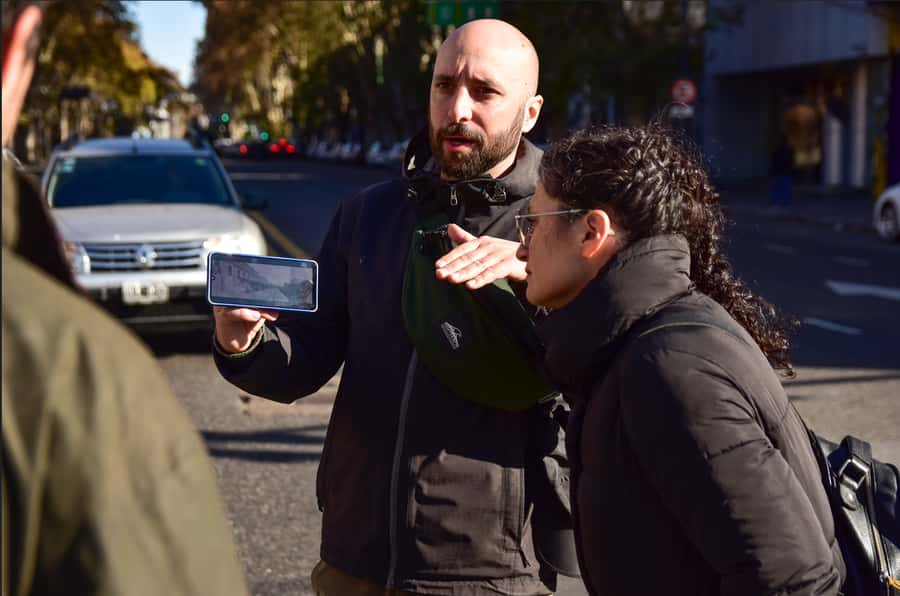
Pasaje Russel is the last guided stop, with about 10 minutes devoted to it. Like Pasaje Emilio Zola, it shifts your attention away from Palermo’s big-name addresses and toward the smaller passages that give the district its texture.
The final destination is Plaza Serrano, one of Palermo SoHo’s best-known social centers. Ending here makes sense. You finish in the middle of the area’s current identity, after learning how transport, migration, property values, restaurants, and currency helped shape it.
Plaza Serrano is also a useful place to continue your own visit. The tour ends there, so you can stay for food, drinks, shopping, or more wandering. The activity does not include a meal, and its two-hour format leaves you free to make your own plans afterward.
What $25 gets you
At $25 per person, this is a strong value if you want interpretation rather than a simple orientation walk. You receive two hours with a university-degree guide, a route through several less obvious cultural stops, and a chance to discuss topics that many sightseeing tours skip.
The price is less compelling if you only want landmark photographs or a quick list of recommended cafés. Much of the experience depends on your interest in asking questions and thinking about change. You are paying for context and conversation, not entry tickets or a long series of inside visits.
Private and small-group options are available. A smaller setting should suit this subject well because the walk works best when you can ask about exchange rates, immigration, property, or a restaurant without holding up a large group. The language choices are English, Spanish, and French.
You can reserve now and pay later, and cancellation is free up to 24 hours in advance. Those terms are useful if your Buenos Aires plans are still shifting, but the more important booking choice is the group format. Choose this walk when you want to participate, not simply follow a guide from point to point.
Who should book this Palermo walk
I would choose this experience if you like city history with a present-day edge. It suits you especially well if you want to understand why Palermo became fashionable, how that process affected property values, and how immigration shaped the area before its current restaurant culture took over.
It also fits first-time visitors who want a useful introduction to one part of Buenos Aires without spending half a day on a standard sightseeing circuit. You will leave with questions and a framework for exploring Palermo on your own.
You may want a different activity if you prefer food tastings, museum interiors, architecture tours, or a quiet walk with little discussion. This is an active conversation. The guide may raise issues with no single easy answer, and the tour asks you to engage with them.
Should you book Palermo SoHo for curious people?
Book it if the words gentrification, immigration, currency, and urban change sound more interesting to you than a checklist of fashionable cafés. Nico’s mix of humor, clear explanations, and personal attention gives the walk a human scale, while the route adds cultural stops that are easy to miss.
Skip it if you want a food-focused outing or a tour packed with major interiors. At $25, the experience offers good value for a thoughtful two-hour walk, especially in a private or small group. Bring questions, wear comfortable shoes, and keep the rest of your day open for Plaza Serrano at the finish.
FAQ
Where does the Palermo SoHo tour start?
The meeting point is by the amphitheater at Distrito Arcos, next to the Montagne store.
Where does the tour end?
The walk ends at Plaza Serrano.
How long does the activity last?
The tour lasts two hours.
How much does the tour cost?
The listed price is $25 per person.
Which languages are available?
The live tour guide can lead the walk in English, Spanish, or French.
Who leads the experience?
The guide is Nico, a university-degree guide who leads the discussion and walking route.
Is the tour private or shared?
Private and small-group options are available.
Is the tour wheelchair accessible?
Yes, the activity is listed as wheelchair accessible.
What subjects does the tour cover?
The walk covers Palermo’s origins, trains and trams, immigration, gentrification, real estate speculation, peso devaluation, exchange rates, and the neighborhood’s past, present, and future.
Can I cancel the booking?
Yes. You can cancel up to 24 hours in advance for a full refund. You can also reserve now and pay later.
Just added around Buenos Aires
- Tango Show at El Querandi with optional Dinner★ 4.2 · 3 reviews
- Wine Tasting in Buenos Aires★ 4.2 · 4 reviews
- Walking Tour: Buenos Aires bookstores★ 4.3 · 12 reviews
- Velez Sarsfield Football Match★ 5.0 · 3 reviews
- Unique Tigre and Delta Private Day Cruise Navegation★ 5.0 · 3 reviews
- Private Underground Tango Immersion★ 5.0 · 31 reviews
- Sailing with Wine Tasting in Buenos Aires★ 5.0 · 50 reviews
- Experience The Essence of Buenos Aires in San Telmo★ 5.0 · 51 reviews
San Telmo & La Boca Tours, compared.



BA: Empanadas and Alfajores Cooking Experience in Palermo
Read our review →
Browse the lists this tour appears in