
Reviewed · SAN TELMO & LA BOCA TOURS
Buenos Aires: Puerto Madero Tour For Small Groups
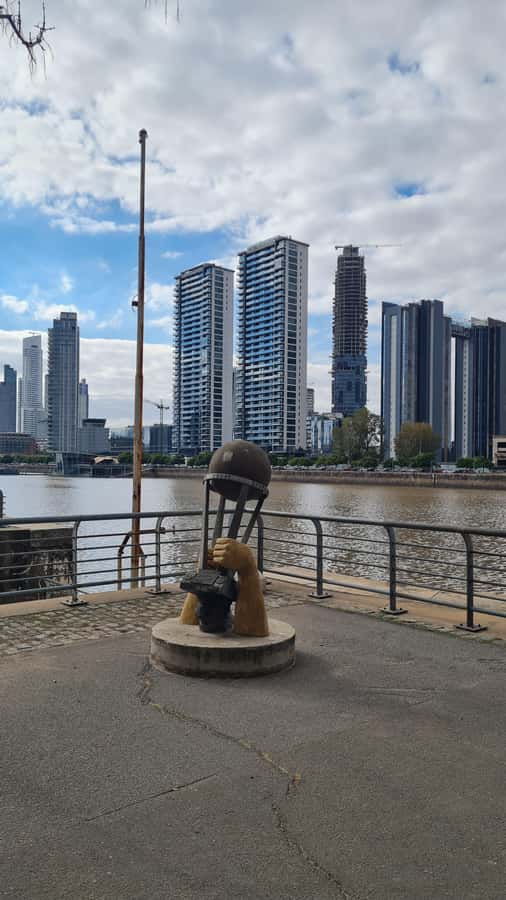
Puerto Madero is where Buenos Aires puts its old port beside its newest towers, and this walking tour makes that contrast the main event. You move from an English-brick warehouse district and a historic naval ship to tango-inspired architecture, gardens, wildlife, and wide views across the city.
I like the way the tour connects history with everyday city life, rather than treating Puerto Madero as only a polished restaurant quarter. I also like the long stop at the ecological reserve, where the city noise gives way to birds, open paths, and views of the skyline.
The main consideration is language and stamina. Miguel leads the tour in Spanish, and the experience lasts 210 minutes on foot. It is not suitable for children under 10 or wheelchair users, and you should bring water, sun protection, a hat, and comfortable shoes.
Key points to know before booking
- Miguel leads in Spanish: The tour is built around his explanations and conversation, so a working grasp of Spanish will help you get the most from it.
- Puerto Madero in two eras: Old port warehouses and dock machinery sit beside modern high-rises, the UCA campus, and stylish restaurants.
- The ecological reserve gets 90 minutes: This is more than a quick photo stop, with walking, birdwatching, wildlife, and city views.
- The tour stays outdoors for most of its length: You pass the Sarmiento frigate rather than entering it, and the walking route includes plazas, gardens, and reserve paths.
- A strong value at $20: For a guided walk lasting 210 minutes, the price is modest, especially if you want context rather than a quick look at the waterfront.
- The ending is unusual: The route finishes at Museo de la Cárcova after the Fountain of the Nereids, giving the walk an art-focused close.
Why Puerto Madero makes a good walking tour
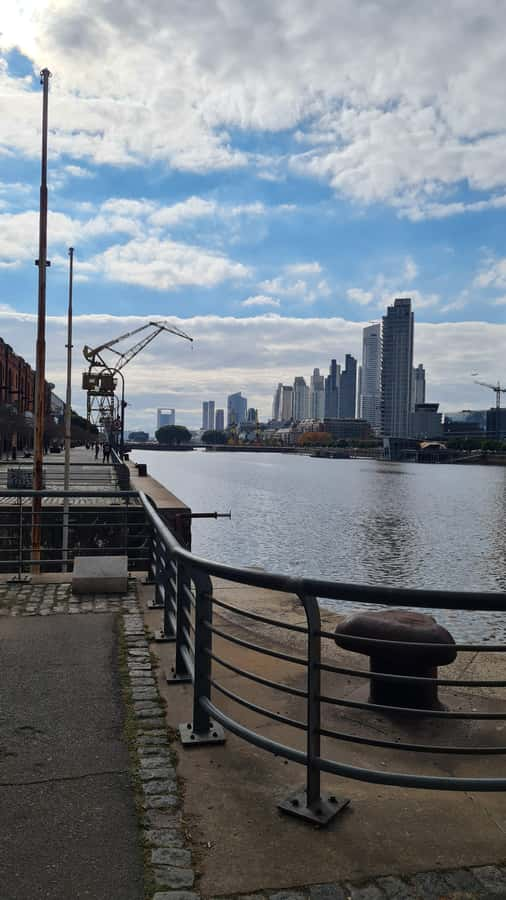
Puerto Madero is easy to understand once you see its two faces. The former dock area preserves old port buildings made from English brick, while the nearby skyline rises with some of Buenos Aires’ tallest and most modern buildings.
That contrast gives your guide plenty to explain. You are not simply walking beside water and taking pictures. You are seeing how a working port area became one of the city’s best-known districts, with restaurants, university buildings, public plazas, gardens, and an ecological reserve at its edge.
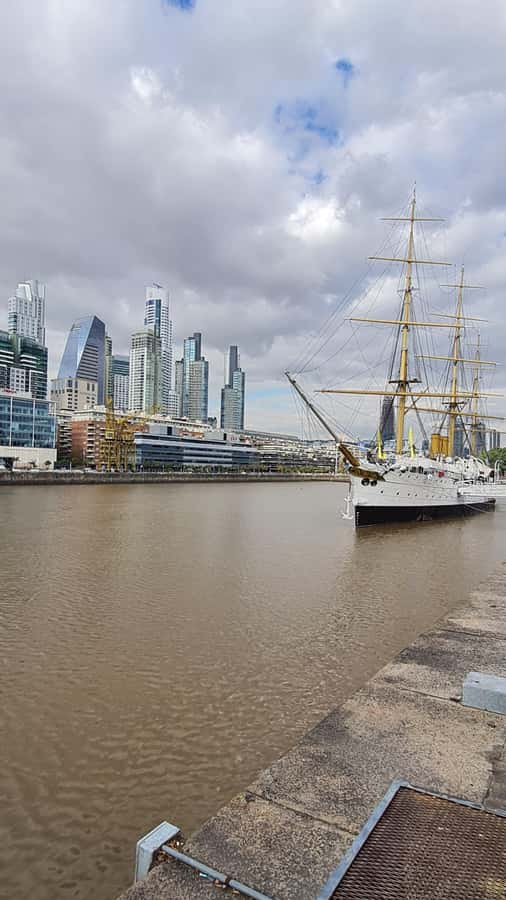
The walk begins at the Buque Museo Fragata A.R.A. Presidente Sarmiento. This historic frigate once trained generations of midshipmen in the Argentine Navy. It now serves as a museum, although this tour does not include an interior visit.
That detail matters. If you want to explore the ship’s cabins and exhibits, you would need to make a separate plan. Here, the frigate works as a starting landmark and a piece of the waterfront story rather than as a full museum visit.
More San Telmo and La Boca walks:
- Buenos Aires: La Boca Guided Walking Tour in English
★ 4.8 · 1,587 reviews - Palermo: Graffiti and Street Art Guided Tour in English
★ 4.8 · 684 reviews - Buenos Aires: Puerto Madero Sunset Cruise with Open Bar
★ 4.1 · 439 reviews
Starting beside the Sarmiento frigate
You meet Miguel at the Sarmiento frigate, which gives the group a clear and memorable place to gather. The vessel itself immediately sets the tone: Puerto Madero is not only modern glass and fashionable dining. Its waterfront also carries a strong naval and working-port identity.
The guided stop lasts about 10 minutes. Miguel explains the ship and its role in training naval midshipmen, while you see it from outside and get oriented to the dock area.
I appreciate this as a short opening stop. It gives you useful context without using up the tour’s best walking time. Still, anyone expecting a full ship tour should note the limit. You will not be going inside as part of this experience.
The Women’s Bridge and the tango connection
From the frigate, the route continues to Puente de la Mujer, or the Women’s Bridge. This is one of Puerto Madero’s most recognizable sights and a natural place for photographs.
The bridge is linked to tango culture through its shape, which suggests a couple dancing. Your guide explains that connection while you take in the surrounding docks and buildings. The stop lasts about 20 minutes, enough for a guided explanation and photos without turning the walk into a long architectural lecture.
The bridge also helps you read the district. Behind and around it, the old port structures create a lower, brick-lined edge, while modern buildings rise beyond them. That mix is one of Puerto Madero’s defining visual features.
The bridge can be busy with people stopping for pictures, so the experience is more about understanding its place in the district than having a quiet private view. A small group helps, but this remains a public waterfront stop.
Old warehouses, UCA, restaurants, and port machinery
The main Puerto Madero walk takes you through the dock area and past the old warehouses built with English bricks. These buildings now hold restaurants and other prestigious uses, including the Pontifical Catholic University of Argentina, known as UCA.
This is where the tour becomes especially useful for first-time visitors. A quick stroll might leave you thinking only about waterfront dining and expensive-looking apartments. With Miguel’s explanation, the brick warehouses and dock machinery become clues to the area’s earlier purpose.
The restaurants are part of the district’s present-day charm, but the tour does not center on a meal. You see the dining quarter as part of a larger transformation from port infrastructure to a public and commercial neighborhood.
I like that the route keeps the old machinery and warehouse fronts in view. They add texture to an area that could otherwise feel overly polished. At the same time, this is not a preserved old town. Some of the experience is about contrast: industrial remnants beside carefully designed public spaces and modern towers.
A few more Buenos Aires half-days to weigh up
- Buenos Aires Hop-On Hop-Off Bus, Free Walking Tours & Discounts
★ 4.5 · 2,218 reviews - Buenos Aires: Piazzolla Tango Show with Optional Dinner
★ 4.4 · 2,122 reviews - Buenos Aires: City Highlights Guided Tour with Transfer
★ 4.7 · 1,946 reviews - Buenos Aires: Hop-On Hop-Off City Bus Tour
★ 4.2 · 1,855 reviews
City views from the modern waterfront
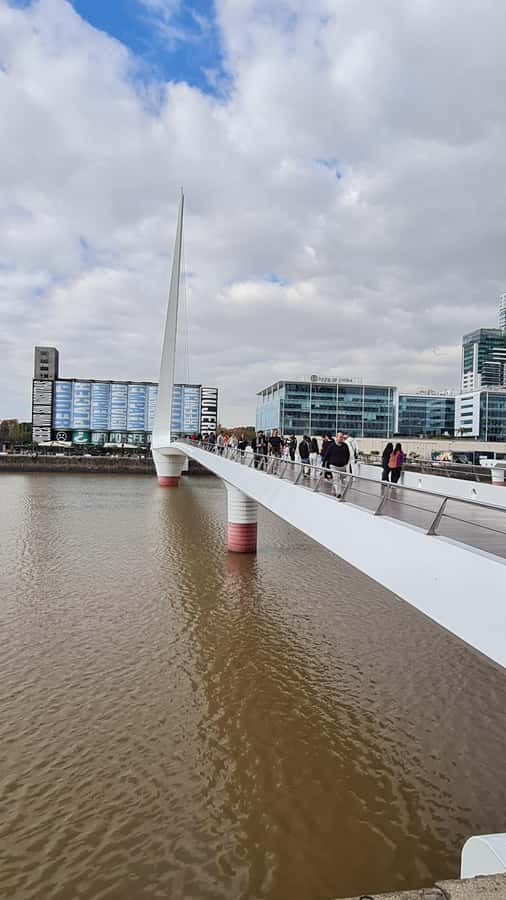
As you walk, Miguel points out the tallest and most modern buildings in Buenos Aires. Their scale contrasts sharply with the old port buildings, brick facades, and metal equipment along the docks.
This is a strong part of the tour for anyone who wants to understand Buenos Aires as a changing city. You see old and new at the same time, rather than visiting each in separate neighborhoods.
The views are also good for photographs, especially around the bridge and open sections of the waterfront. Bring your phone or camera, but do not forget that the route is still a walking tour. You will be moving between several stops, not waiting at one viewpoint for a long photo session.
Plazas, gardens, and the route toward the reserve
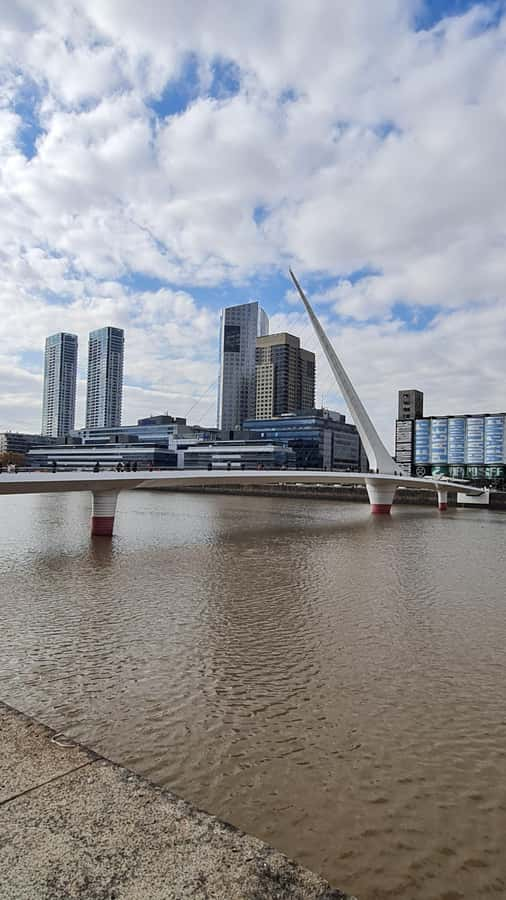
After the dock area, the route heads toward plazas and gardens. This transition is important because it softens the shift from the built-up waterfront to the ecological reserve.
The public spaces give you a change of pace after the warehouses and high-rises. You will have more open views and a chance to walk at a less urban rhythm before reaching the reserve.
The tour includes a 10-minute pause for using the restroom. Because most of the experience takes place outside, it is sensible to use this break well and refill or finish any water you have brought.
You should also plan for the weather. The supplied advice is practical: wear comfortable shoes, a hat, sunscreen, and carry water. The reserve section alone lasts about an hour and a half, so this is not the place for stiff shoes or a forgotten water bottle.
Ninety minutes in the ecological reserve
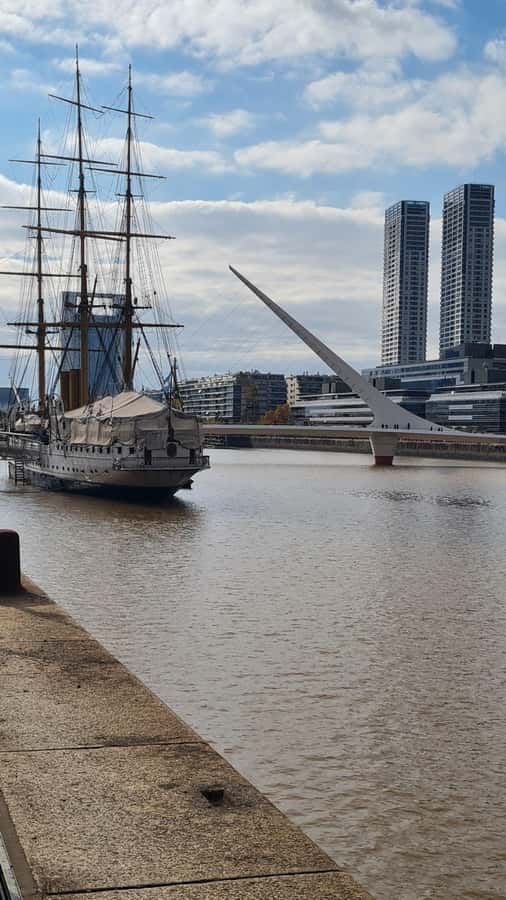
The ecological reserve is the longest and most distinctive portion of the tour. You spend about 1.5 hours walking there, with time for photos, guided explanation, birdwatching, and the chance to see various animal species.
Its value is the change in setting. Puerto Madero’s skyline remains part of the view, but the reserve gives you a less built-up side of Buenos Aires. You can look back toward the city while paying attention to birds and other wildlife in the reserve.
The tour data does not promise a particular species or guarantee wildlife sightings, so keep expectations sensible. You might see birds and animals, but nature does not follow a fixed schedule. The strength of the stop is the combination of open paths, wildlife opportunities, and city views.
This section also affects the pace. If you prefer a short urban stroll, 90 minutes in the reserve may feel long. If you like walking and want more than architecture, it is likely the part you remember best.
The reserve is not a separate transport excursion. It is reached on foot as part of the route, which keeps the day simple but also means you should be comfortable walking for several hours. The tour is not suitable for wheelchair users, and the reserve portion is a key reason why.
Lola Mora’s Fountain of the Nereids
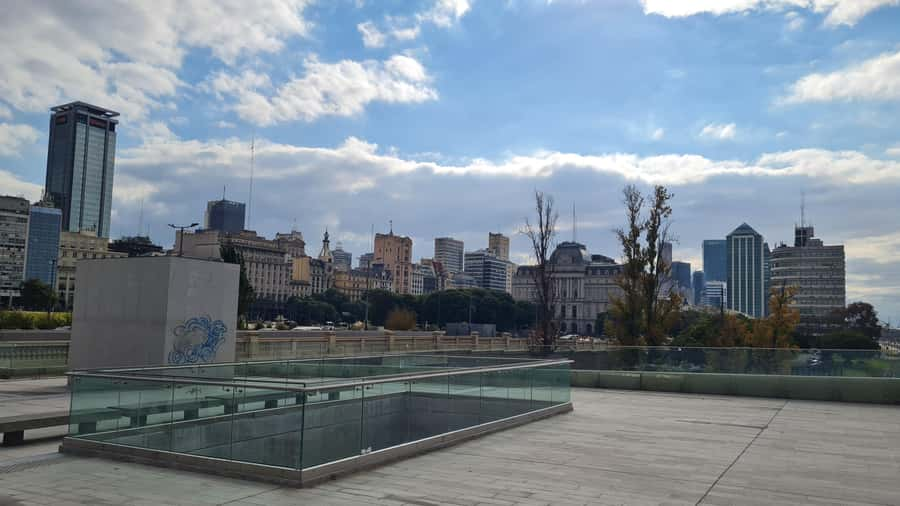
On the way out of the reserve, you stop at the Fountain of the Nereids, created by Argentine sculptor Lola Mora. The fountain adds an art and sculpture element after the natural setting.
Its position in the route works well. You first see the port’s engineering, then the bridge’s tango reference, then wildlife and gardens, and finally a major public sculpture. The tour keeps widening your view of Puerto Madero instead of presenting it as a single-purpose neighborhood.
The stop lasts about 10 minutes and includes guided explanation and photographs. It is a short visit, but it gives the final stretch a clear cultural focus.
Finishing at Museo de la Cárcova
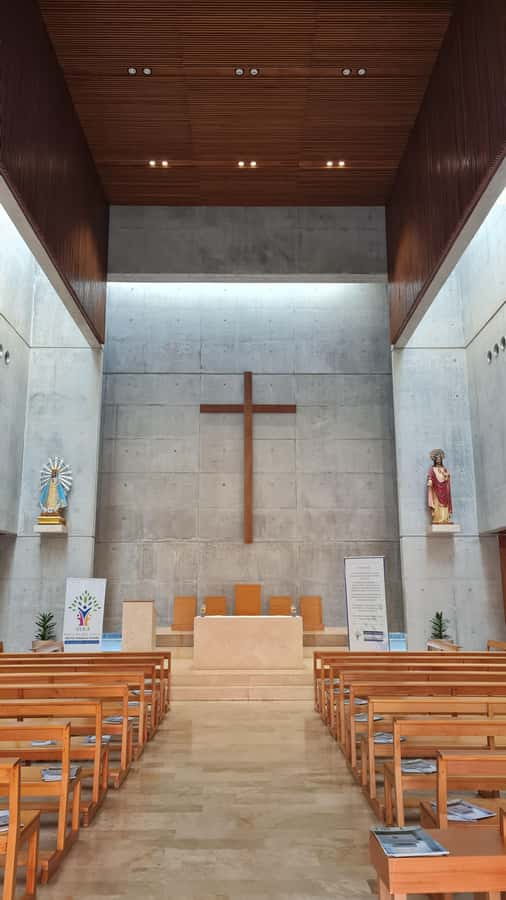
The tour ends at Museo de la Cárcova, with a guided visit lasting about 20 minutes. This museum is known here as a plaster cast museum, making it an unusual finish for a tour that began beside a naval frigate and spent much of its time outdoors.
The ending is especially useful if you enjoy art but do not want a full museum-heavy day. You get a short, focused visit after the waterfront and reserve, rather than spending the entire tour indoors.
Because the tour finishes there, you should think about what you want to do next before booking. The endpoint is not the same as the starting point, so you will not automatically be back at the frigate. The supplied information does not specify onward transport or walking directions, so check your plans around the museum.
What Miguel adds to the experience
Miguel is the named guide, and the tour is conducted in Spanish. The strongest praise connected with this experience focuses on his extensive knowledge of Puerto Madero and Buenos Aires, along with the discussion he brings to the walk.
That suggests a tour built around explanation and conversation rather than a fixed series of photo stops. If you speak Spanish and enjoy asking questions, you should get more from the experience than someone who only wants to follow a route silently.
One Spanish-language comment describes visiting this part of the city with someone who knows and loves it, and who brings passion to the work. That is a useful clue about the tone to expect: personal, engaged, and rooted in local history and city life.
If you do not understand Spanish, the value drops sharply. No other language is listed, and there is no indication of translation or multilingual guiding. This is one of the most important booking decisions.
Is $20 good value for 210 minutes?
At $20 per person, this is good value if you want a long, guided introduction to Puerto Madero. You get the dock district, Sarmiento frigate, Women’s Bridge, old warehouses, modern towers, plazas, gardens, the ecological reserve, Lola Mora’s fountain, and Museo de la Cárcova.
The price is especially fair because the route is not limited to the most photographed waterfront sights. The reserve and museum add variety, while Miguel’s explanations give the buildings and public art a stronger sense of place.
The value is less clear if you want entry to the Sarmiento frigate or a short, easy walk. The ship is not entered, the tour is conducted in Spanish, and the route lasts 210 minutes. You are paying for a broad walking experience, not a quick orientation.
The activity allows cancellation up to 24 hours in advance for a full refund, and you can reserve while paying later. Those policies make it easier to fit into a changing Buenos Aires schedule, though you still need to check available starting times before booking.
Who should book this walk?
I would recommend it to adults and older children over 10 who enjoy walking, public history, architecture, sculpture, and wildlife in the same outing. It suits you particularly well if you want to see Puerto Madero beyond its restaurants and skyline.
Spanish speakers will benefit most. You should also be comfortable being outdoors for much of the stated 210 minutes and walking through the ecological reserve.
I would look elsewhere if you need wheelchair access, are traveling with children under 10, want a museum-heavy experience, or expect to enter the Sarmiento frigate. You may also prefer a shorter tour if your main goal is simply a picture at the Women’s Bridge.
Final verdict: book it for the contrast
Book this tour if you want Puerto Madero explained as a living district, not just photographed as a modern waterfront. Miguel’s Spanish-language guidance, the old port warehouses, the tango-linked bridge, and the long ecological reserve walk give the experience more range than its low price suggests.
Skip it if the language is a barrier or if three-plus hours of walking sounds tiring. For the right visitor, though, this is a thoughtful way to connect Buenos Aires’ naval past, modern architecture, public art, and wildlife in one outing.
FAQ
How long does the Puerto Madero tour last?
The stated duration is 210 minutes. The activity information also describes it as a three-hour guided walking tour with a 10-minute pause for restroom use.
Where does the tour begin?
The meeting point is the Buque Museo Fragata A.R.A. Presidente Sarmiento. Your guide, Miguel, will be waiting there.
Where does the tour finish?
The tour finishes at Museo de la Cárcova.
What language is the tour conducted in?
The live tour guide speaks Spanish. No other tour language is listed.
Does the tour include entry to the Sarmiento frigate?
No. The group sees the Sarmiento frigate and receives a guided explanation, but the tour does not plan to enter the museum ship.
How much time is spent in the ecological reserve?
The ecological reserve portion lasts about 1.5 hours and includes walking, sightseeing, photos, birdwatching opportunities, and the chance to see various animal species.
Is the tour suitable for children?
The activity is not suitable for children under 10 years old.
Is the tour wheelchair accessible?
No. The activity is listed as unsuitable for wheelchair users.
What should I bring?
Bring comfortable shoes, a hat, sunscreen, and water. You will be walking outdoors for much of the experience.
Just added around Buenos Aires
- Tango Show at El Querandi with optional Dinner★ 4.2 · 3 reviews
- Wine Tasting in Buenos Aires★ 4.2 · 4 reviews
- Walking Tour: Buenos Aires bookstores★ 4.3 · 12 reviews
- Velez Sarsfield Football Match★ 5.0 · 3 reviews
- Unique Tigre and Delta Private Day Cruise Navegation★ 5.0 · 3 reviews
- Private Underground Tango Immersion★ 5.0 · 31 reviews
- Sailing with Wine Tasting in Buenos Aires★ 5.0 · 50 reviews
- Experience The Essence of Buenos Aires in San Telmo★ 5.0 · 51 reviews
San Telmo & La Boca Tours, compared.



BA: Empanadas and Alfajores Cooking Experience in Palermo
Read our review →
Browse the lists this tour appears in