Reviewed · TICKETS
Temaiken Biopark Entry Tickets
Temaiken Biopark gives you a full day of wildlife, gardens, and aquarium exhibits in one large park. The most interesting feature is its regional layout: you move from Buenos Aires native species to Patagonia, Mesopotamia, Africa, and Asia rather than simply walking past one enclosure after another.
I like the chance to see animals such as black yacarés, capybaras, tapirs, hippos, tigers, and cheetahs while also learning about conservation. I also like the underwater exhibits, especially the shark tanks and sections on tide pools and rivers.
The main drawback is the park’s size. It covers more than 178 acres, and some animals may be difficult to spot. One visitor spent a lot of time searching for animals that were not visible, so this suits you best if you enjoy gardens, habitats, and patient looking, not only guaranteed close-up views.
Key points
- A full 8-hour outing: Allow most of a day to cover the animal zones, gardens, aquarium, and other exhibits without rushing.
- Nearly 2,500 birds: See species from five continents, with African flamingos and pelicans among the highlights.
- Argentine wildlife in context: The Native, Mesopotamian, and Patagonia areas introduce local plants and animals alongside international species.
- A strong aquarium visit: Explore tide pools and rivers, then watch sharks move through their tanks.
- Large, natural-style habitats: The setting gives animals room, though that can make some species hard to find.
- Ticket care matters: The local provider sends the entry ticket by email or WhatsApp, and the printed provider ticket is required. The booking voucher itself will not get you inside.
What kind of day Temaiken offers
Temaiken is more than a standard zoo. It combines a botanical garden, animal park, aquarium, and museum of natural history and anthropology across about 178 acres. That scale changes the pace of the visit. You are not simply checking off a short list of animals. You are walking between themed areas, plantings, habitat displays, and educational exhibits.
I would plan for the full eight hours if you want to see the main sections properly. You can move quickly, but that would miss much of the point. The park is designed for a day out, with enough variety to keep families, animal lovers, and anyone interested in conservation occupied.
You should also set your expectations before arriving. Natural-style habitats can be better for the animals, but they do not always give you a perfect view. Tigers may be resting out of sight, small animals may blend into their surroundings, and large enclosures can require patience. If your idea of a successful zoo visit means seeing every animal up close, this may feel less predictable.
A few more Buenos Aires half-days to weigh up
- Buenos Aires Hop-On Hop-Off Bus, Free Walking Tours & Discounts
★ 4.5 · 2,218 reviews - Buenos Aires: Piazzolla Tango Show with Optional Dinner
★ 4.4 · 2,122 reviews - Buenos Aires: City Highlights Guided Tour with Transfer
★ 4.7 · 1,946 reviews
Starting with Buenos Aires wildlife
The Native Zone is a useful first stop because it places the park in its local setting. Instead of beginning with the most exotic animals, you first learn about the flora and fauna associated with Buenos Aires.
That local focus adds meaning to the rest of the day. You get a better sense of the species and plant life that belong to Argentina, rather than treating the park as a collection of animals from around the world. The botanical areas also help make this feel like a nature park rather than a row of viewing pens.
The plants matter here. They create much of the character of the walk, and they give you a chance to slow down between animal exhibits. If you are visiting with children, this section can be a good way to explain that conservation includes local habitats, not only famous animals such as tigers and hippos.
Mesopotamian fauna and Argentine wetlands
The Mesopotamian Fauna section focuses on animals associated with northeastern Argentina. Here you can see black yacarés and overos, tapirs, capybaras, lagoon turtles, and other species.
The capybara is an easy favorite, but the yacarés and tapirs give this area its local character. These are not just decorative additions to an international zoo. They represent ecosystems that are part of Argentina’s own natural story.
This section may appeal most if you like seeing animals in a regional setting. You are also likely to spend time looking through habitat spaces rather than moving from one small enclosure to the next. Keep your eyes open and give the exhibits time. The park’s natural approach can reward patience, but it can also mean that a quick walk produces only a few sightings.
Patagonia from the Andes to the Atlantic
The Patagonia Fauna area recreates environments that stretch from the Andes Mountain Range to the Atlantic coast. That broad range gives you a simple introduction to the different settings found across southern Argentina.
The value here is the sense of place. Patagonia is often treated as one giant wilderness, but its geography changes greatly from mountains to coastal areas. This section helps connect animals and plants with those different environments.
You will not get a full field lesson in Patagonian ecology during one visit, but the layout gives you a useful overview. It also breaks up the international sections that follow. I like that Temaiken makes Argentine wildlife a central part of the day rather than an afterthought.
Same city, a completely different kind of day:
- Buenos Aires: Hop-On Hop-Off City Bus Tour
★ 4.2 · 1,855 reviews - Buenos Aires Hop-On Hop-Off Bus and Exclusive Benefits
★ 4.4 · 1,714 reviews - Buenos Aires: La Boca Guided Walking Tour in English
★ 4.8 · 1,587 reviews - Buenos Aires: La Recoleta Cemetery Guided Tour in English
★ 4.8 · 1,359 reviews
African birds, lemurs, and open spaces
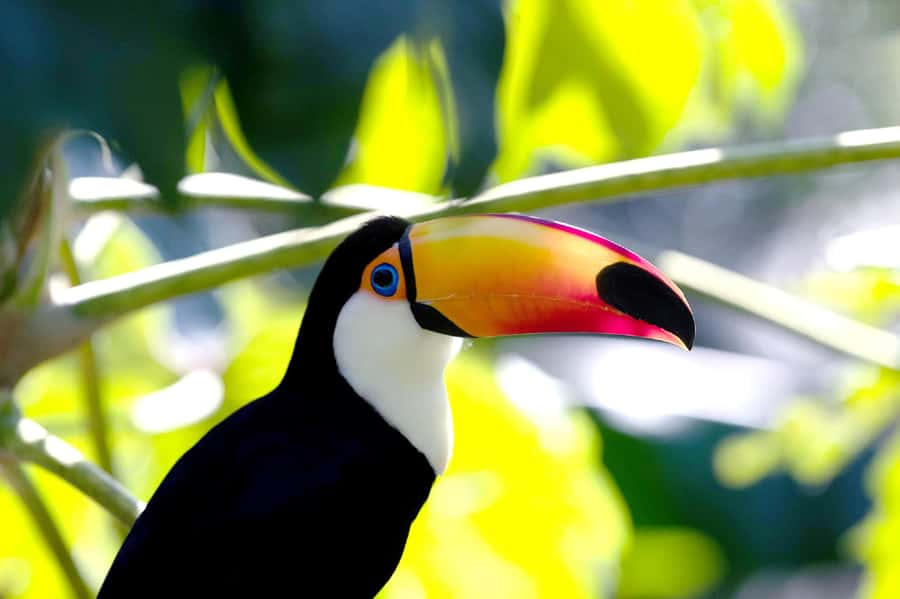
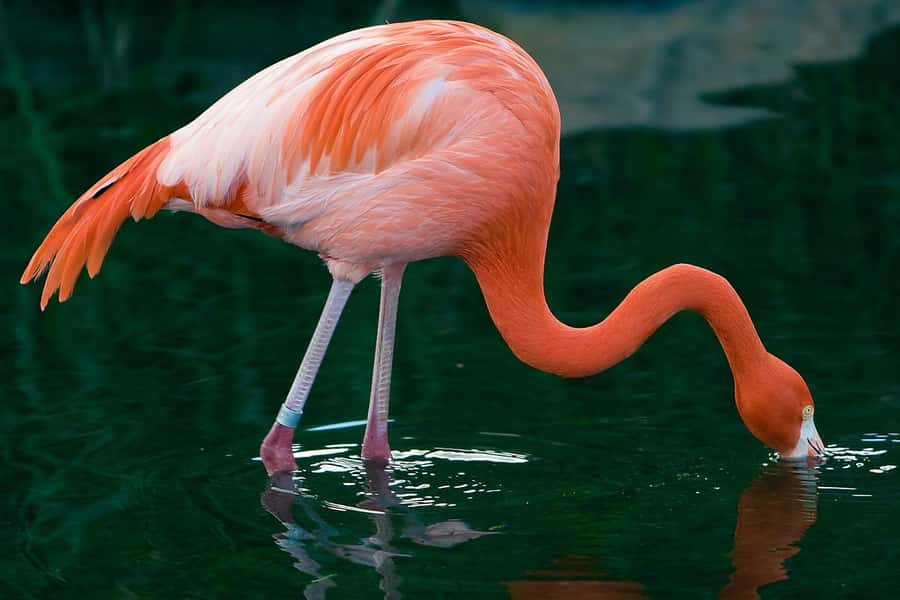
The African Zone brings a different set of colors and sounds, with flamingos, pelicans, antelopes, and meerkats. The bird areas are especially important because the park is home to almost 2,500 birds from five continents.
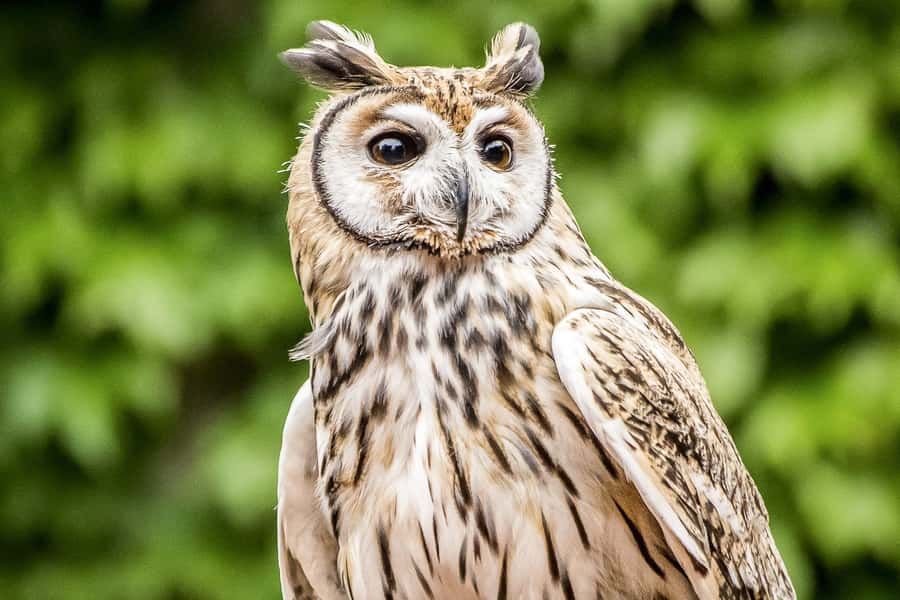
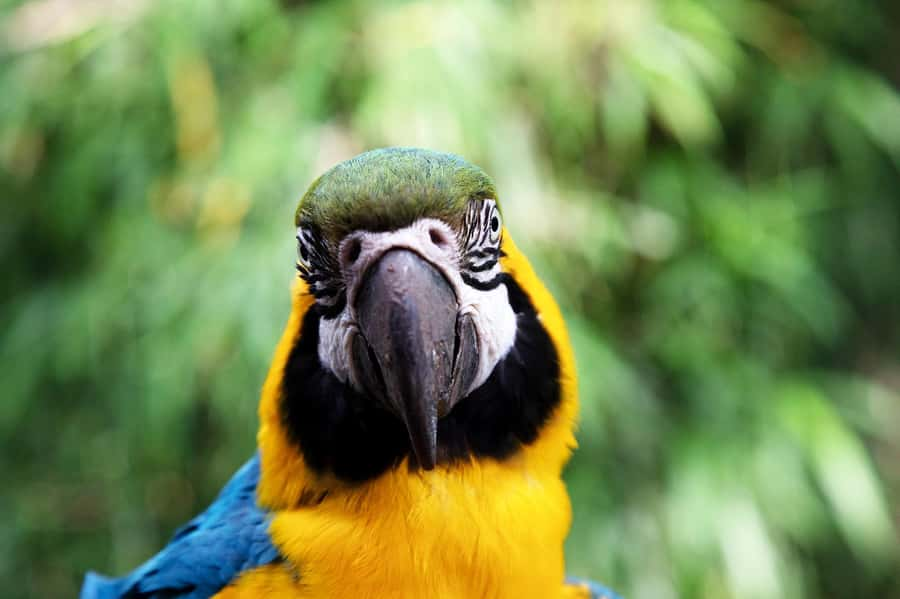
For many people, the birds may become one of the most rewarding parts of the visit. The collection is large, and it adds more than the usual parrot or flamingo stop found in many zoos. If you enjoy identifying shapes, colors, and behavior, plan to spend more time here than you first expect.
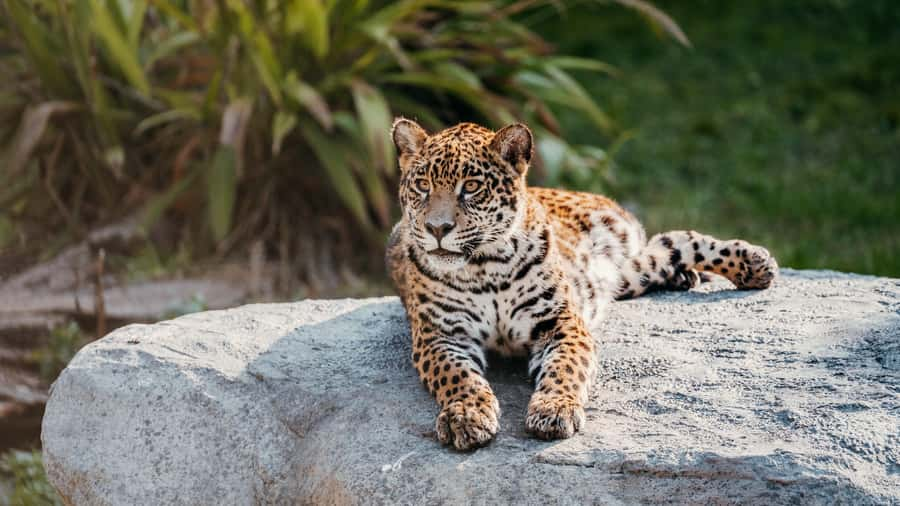
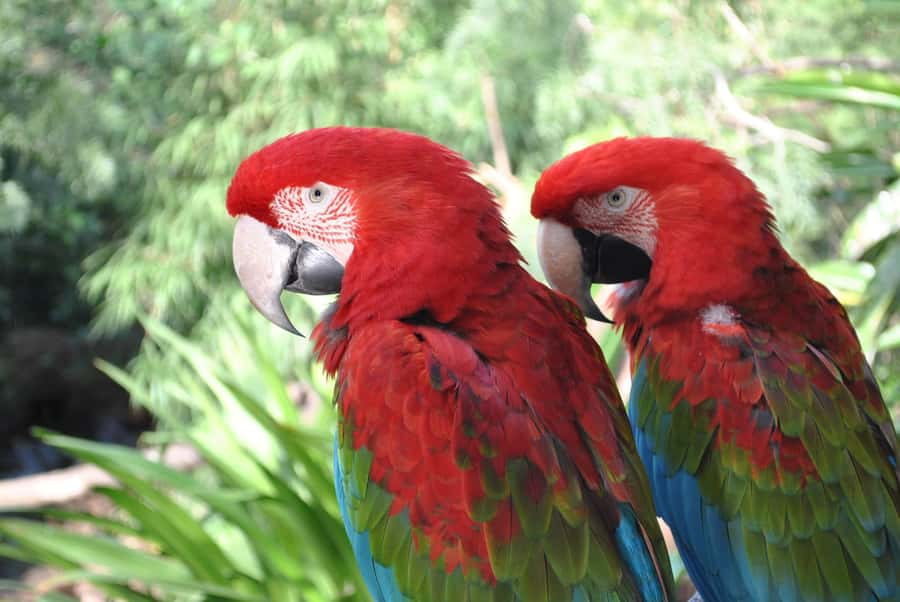
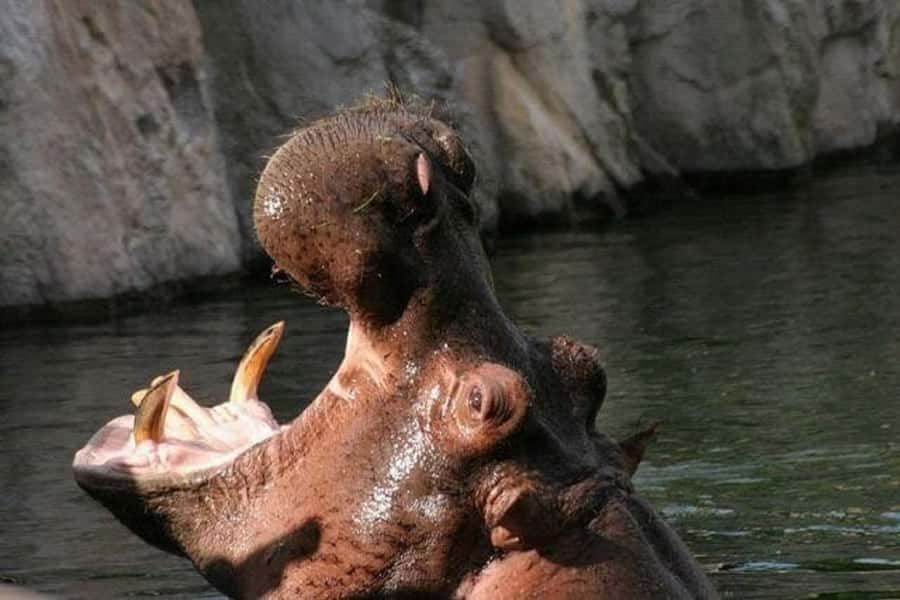
The park also includes three islands with lemurs, hippos, cheetahs, and zebras. These are some of the most recognizable animals on the property, and they give you the classic safari-style portion of the day.
Still, large or natural-style spaces have a tradeoff. You may see an animal clearly, or you may find an empty-looking area and need to wait. A previous visitor enjoyed the habitat design but found that several animals were not visible. That is a fair warning, not a reason to skip the park. Go for the overall setting and range of species, not a promise of constant action.
Asian animals, from tigers to flying foxes

The Asian Zone shifts the focus again, with tigers, bats, flying foxes, squirrels, and other animals. The variety is a strong point. One moment you are looking for a large predator, and the next you are watching smaller mammals with very different habits.
The bat and flying fox exhibits can be especially interesting because these animals are often misunderstood or overlooked. They also give the section a different rhythm from the larger mammal areas.
The tiger exhibit is likely to be a major reason for visiting this zone, but you should use the same approach as elsewhere in the park. Sightings depend on where the animals are at that moment. A large habitat can offer a better setting while making a perfect photograph less certain.
The aquarium is more than a rainy-day stop
The aquarium provides one of the clearest changes of pace at Temaiken. After walking through gardens and outdoor animal areas, you move into an underwater setting with exhibits about tide pools and rivers.
The shark tanks are the main draw. Watching sharks move through the water gives you a very different view of animal behavior than seeing mammals on land. The aquarium also adds useful variety for families, especially if some members of your group are more interested in fish and marine life than birds or big cats.
One visitor who had mixed feelings about the animal sightings still found the aquarium well done and enjoyable. That matches the practical value of this section: it offers a more controlled viewing experience than some of the open habitats.
Give yourself enough time here. It is easy to rush through an aquarium after a long day, but the change in lighting and the underwater displays make it worth treating as a main stop. If you are visiting on a hot day, it may also provide a welcome break from the outdoor paths, though the available information does not specify indoor facilities beyond the aquarium itself.
Birds, plants, and the space between exhibits
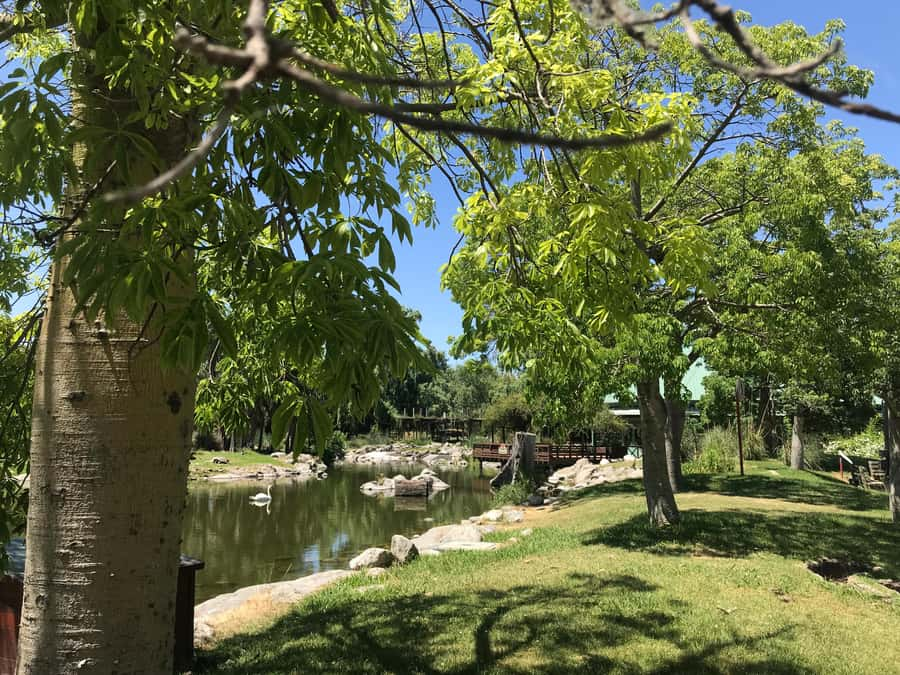
Temaiken’s botanical garden element is not filler. The plants and gardens connect the different animal areas and make the park feel like one large natural setting.
I like this combination because it gives you something to enjoy even when an animal is resting or out of sight. You can look at local and international flora, watch birds, and take a slower walk rather than spending the entire day waiting at viewing points.
The garden focus also makes the park a reasonable choice for mixed groups. Someone who wants big cats can visit the Asian Zone, while someone who prefers plants or birds can spend more time elsewhere. You do not all have to enjoy the same exhibit to have a worthwhile day.
That said, the size can become tiring. The experience is listed as eight hours, and the park covers more than 178 acres. Wear practical shoes and expect plenty of walking. The information confirms wheelchair accessibility, but it does not provide details about rental wheelchairs, route conditions, or the accessibility of every exhibit, so you may want to confirm those specifics before going if they matter to your plans.
Is the $33 admission good value?

At $33 per person, the ticket is best judged as a full-day admission rather than a short animal attraction. You receive access to a large park with animal zones, botanical gardens, an aquarium, and a natural history and anthropology museum.
That is a reasonable value if you plan to stay for much of the day. The more sections you visit, the better the price works. The ticket becomes less attractive if you only want to see one famous animal or have limited time.
Transport is not included. That matters because Temaiken is in Buenos Aires Province, not simply a central-city attraction you can assume is around the corner. You need to arrange your own way to and from the park, and the ticket price does not cover that extra cost.
I would also allow room in your budget for the practical needs of an eight-hour outing, though the supplied details do not specify food prices, lockers, or other on-site costs. The safest value calculation is the admission itself plus your transport and whatever you need during a full day away from your base.
Ticket delivery requires attention
The booking process has one unusual detail. The local provider, Grupo Summa, sends the actual tickets by email or WhatsApp about 24 hours before the activity.
You need to print that provider ticket for entry. The GetYourGuide voucher is not valid at the gate, so do not rely on showing only the original booking confirmation on your phone.
This is the one practical issue I would take seriously. One person had trouble because the tickets arrived at the last moment. Since delivery is expected close to the visit, check your email and WhatsApp carefully, including spam or filtered messages, and make sure you have the printed ticket before setting off.
You also need to bring a passport or ID card. Cancellation is flexible enough for most plans: you can cancel up to 24 hours in advance for a full refund. The activity is wheelchair accessible, but your booking confirmation should still be checked for the exact ticket and entry instructions.
Who will enjoy Temaiken most?
I would recommend Temaiken to you if you like a slow, full-day nature outing with plenty of variety. It works well for families, bird lovers, people interested in Argentine wildlife, and anyone who prefers a park with gardens and educational displays instead of a tightly packed urban zoo.
It is also a good choice if you want to see local species and international animals in the same place. The Mesopotamian and Patagonia areas give the visit an Argentine identity, while the African and Asian sections provide the familiar appeal of hippos, zebras, tigers, cheetahs, and meerkats.
I would be more cautious if you have only a few hours, dislike walking, or need guaranteed views of every animal. The park is large, and the natural habitat design means some animals may be hidden. The aquarium may be your strongest section if you want reliable, visually engaging displays, but it is only one part of a much bigger day.
Should you book Temaiken Biopark?
Book it if you can spare most of a day and value variety, gardens, Argentine wildlife, and conservation as much as close-up animal views. The aquarium, bird collection, local fauna zones, and broad selection of mammals give you plenty to see for the $33 admission.
Skip it if your schedule is tight or if you expect a compact zoo where every animal is easy to find. Arrange your own transport, watch for the provider’s email or WhatsApp ticket, print that ticket, and bring your passport or ID. With those details handled, Temaiken offers a thoughtful and wide-ranging day outside Buenos Aires, with the honest caveat that nature does not always perform on schedule.
FAQ
How long does the Temaiken Biopark visit last?
The stated duration is eight hours. That gives you time to visit the animal zones, gardens, aquarium, and other areas without rushing.
What is included in the ticket?
The ticket includes admission to Temaiken Biopark.
Is transportation to the park included?
No. Transport to and from the park is not included, so you must arrange your own transportation.
What animals can I see at Temaiken?
The park includes black yacarés, overos, tapirs, capybaras, lagoon turtles, flamingos, pelicans, antelopes, meerkats, lemurs, hippos, cheetahs, zebras, tigers, bats, flying foxes, squirrels, and many birds.
How many birds are at the biopark?
Temaiken has almost 2,500 birds from five continents.
Is the aquarium included?
Yes. The aquarium is part of the biopark admission and includes exhibits about tide pools and rivers, along with shark tanks.
What identification should I bring?
Bring your passport or ID card.
Is the GetYourGuide voucher valid for entry?
No. The provider sends the actual tickets by email or WhatsApp about 24 hours before the activity, and you need to print that provider ticket. The GetYourGuide voucher itself is not valid for entry.
Just added around Buenos Aires
- Tango Show at El Querandi with optional Dinner★ 4.2 · 3 reviews
- Wine Tasting in Buenos Aires★ 4.2 · 4 reviews
- Walking Tour: Buenos Aires bookstores★ 4.3 · 12 reviews
- Velez Sarsfield Football Match★ 5.0 · 3 reviews
- Unique Tigre and Delta Private Day Cruise Navegation★ 5.0 · 3 reviews
- Private Underground Tango Immersion★ 5.0 · 31 reviews
- Tour Buenos Aires in one day on Electric Scooters★ 5.0 · 33 reviews
- Sailing with Wine Tasting in Buenos Aires★ 5.0 · 50 reviews
Tickets, compared.






Entrance Ticket to La Ventana Tango Show with Optional Dinner
Read our review →
Helicopter Ride Over the Iguazu Falls – Admission Ticket
Read our review →