

Reviewed · SAN TELMO & LA BOCA TOURS
La Boca, a collective creation: Port, immigrants, arts and football
La Boca is more than Caminito’s painted facades and tango poses. This two-hour walk looks at the neighborhood as a working port district shaped by immigrants, then follows its links to art, football, and present-day problems. You begin at La Vuelta de Rocha and finish outside La Bombonera.
I like the move away from the postcard streets, where you can see how the neighborhood’s style continues beyond the tourist core. I also like the bakery stop, since trying a local pastry gives the social history a small, tasty connection to daily life.
The main consideration is price: $65 for about two hours is not cheap for a walking tour, especially since entry to La Bombonera is not included. You are paying for a small group, a focused subject, and interpretation rather than major-ticket admission.
Key points about the La Boca walk
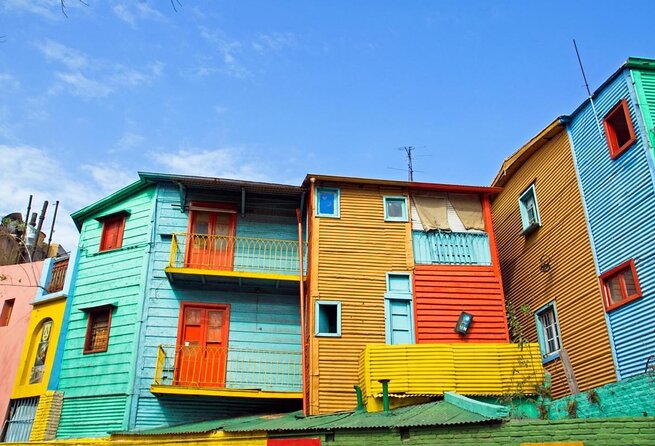
- Caminito is only the opening scene: You spend about 15 minutes at Argentina’s most famous street before moving farther into La Boca.
- Immigration shapes the story: The tour explains how port life and immigrant communities formed the neighborhood.
- Local art gets attention: At Plazoleta Bomberos Voluntarios de La Boca, you look at the area’s distinctive street-art style.
- Football closes the route: The walk ends beside Estadio Alberto J. Armando, better known as La Bombonera.
- A bakery stop adds local flavor: You can try pastries while learning about the neighborhood’s everyday culture.
- Small groups keep the walk personal: A maximum of 12 people makes questions and conversation easier.
Why La Boca needs more than a Caminito photo
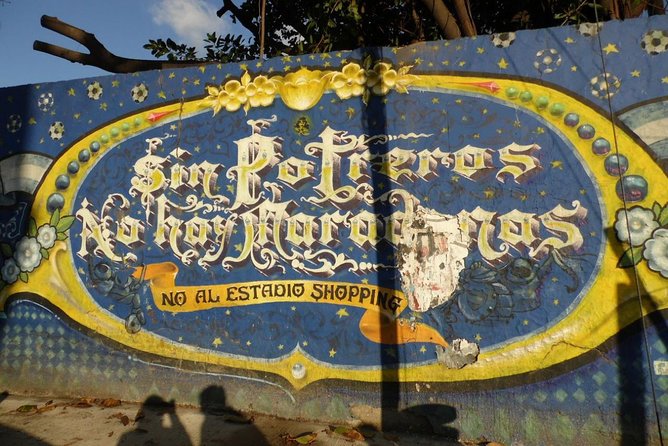
Caminito is the part of La Boca most people recognize. Its bright buildings, painted walls, performers, and souvenir stalls make for easy photographs, but they can also flatten the neighborhood into a colorful stage set.
This tour uses Caminito as a starting point, not the whole story. You get a short introduction there, then walk through streets that are less focused on sightseeing. That change matters. It lets you compare the polished image presented to visitors with the wider social story of a neighborhood formed by work, migration, art, football, and hardship.
The central idea is collective creation. La Boca was not shaped by one architect or one famous artist. Its identity grew from the port, immigrant communities, working families, neighborhood traditions, and the creative ways people used color and public space.
You will not get a standard list of dates and monuments. The emphasis is on how the area became what it is and why La Boca still carries such a strong identity within Buenos Aires. If you have already seen the usual city-center sights, this is a useful way to add social context.
More San Telmo and La Boca walks:
- Buenos Aires: La Boca Guided Walking Tour in English
★ 4.8 · 1,587 reviews - Palermo: Graffiti and Street Art Guided Tour in English
★ 4.8 · 684 reviews - Buenos Aires: Puerto Madero Sunset Cruise with Open Bar
★ 4.1 · 439 reviews
Starting at La Vuelta de Rocha and Caminito
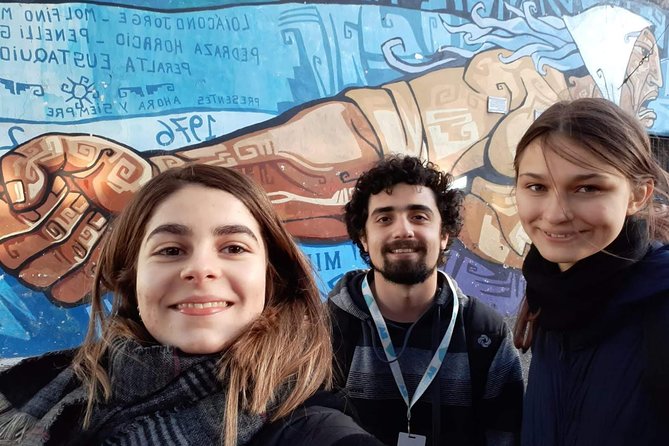
The meeting point is La Vuelta de Rocha, at Avenida Don Pedro de Mendoza 1859. This is a practical place to begin because it puts you right beside the best-known part of La Boca, while also pointing toward the old port setting that helps explain the district’s origins.
The first stop, Caminito, lasts about 15 minutes. That is enough time to understand the street’s role without letting it swallow the entire tour. You can take in the famous façades and public art, then move on before the visit becomes only a photo stop.
I appreciate this timing. Caminito is worth seeing, but it is also the easiest part of La Boca to visit without help. The real value of a guided walk begins when the route leaves the familiar strip and puts the street in a wider setting.
Expect the opening section to be lively and visually crowded at times. The tour description does not promise a quiet visit or a long stop at each building. You should think of Caminito as the introduction to the neighborhood’s public image, not as a full architectural tour.
Following the immigrant story through La Boca
The strongest subject here is La Boca’s immigrant past. Its port location brought people from different parts of the world, and the neighborhood developed through that mix of languages, trades, customs, and working-class life.
A good guide can make this kind of history feel close to the street. Instead of treating immigration as a paragraph in a textbook, the walk connects it to the look and character of La Boca. You learn why the district became associated with a particular style and why its culture feels different from the grand avenues and formal buildings elsewhere in Buenos Aires.
Guide Nico leads the experience. The useful detail is not simply that he provides facts, but that the walk is designed to go beyond basic information. You can ask about the people and forces that shaped the area, rather than just hearing labels attached to buildings.
The route through non-tourist streets is an important part of the experience, though you should keep your expectations measured. The supplied information does not promise access to private interiors, historic homes, or a long list of named landmarks. The reward is the guide’s explanation of the neighborhood as a living place.
This is also where the tour addresses problems in La Boca, both past and present. That gives the walk a more honest tone. You are not asked to see only the color and charm. You also hear about the difficulties connected with the area and the limits of its tourist image.
Reading La Boca’s art in public spaces
La Boca is closely tied to art, and the stop at Plazoleta Bomberos Voluntarios de La Boca focuses on the neighborhood’s unusual street-art style. This section lasts about 15 minutes and is included in the tour price.
The value here is interpretation. You can look at painted walls on your own, but a guide helps connect the visual style to local identity. The art is not presented as decoration alone. It is part of how La Boca represents itself, remembers its people, and turns ordinary public space into a statement.
The tour’s wording points to the peculiarities of the neighborhood’s artistic style, so expect a discussion of what makes La Boca look like La Boca. That may be more useful than a simple list of artists or murals. You are learning to notice the relationship between color, public life, and place.
The 15-minute timing also tells you what this is not. It is not a museum visit or a formal art lecture. If your main interest is contemporary art, you may want a longer gallery or mural-focused experience elsewhere in Buenos Aires. Here, art is one part of a larger social story.
More football and stadium visits in Buenos Aires:
- Buenos Aires: Tickets to Boca Juniors Museum & Stadium
★ 4.5 · 581 reviews - Soccer Match in Buenos Aires with Transfers and Local Guide
★ 5.0 · 103 reviews - Buenos Aires: Boca Juniors and River Plate Football Tour
★ 4.3 · 82 reviews - Buenos Aires: River Plate and Boca Juniors Museum Tour
★ 4.5 · 72 reviews
The bakery stop and the taste of daily life
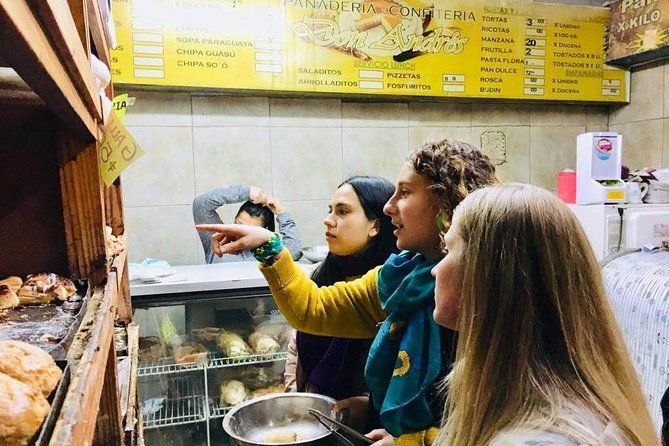
The bakery visit is a small feature, but I think it helps the tour feel grounded. You can try local pastries while continuing the conversation about La Boca and its people.
No particular pastry is named, so you should not book this expecting a specific dish or a full food tasting. It is better understood as a brief local-food stop, not a dedicated culinary tour. The available information also does not specify whether the pastry is included in the $65 price, so bring a little extra money if you want to buy something.
This kind of pause works well on a two-hour walk. It breaks up the sightseeing and gives you a chance to experience something ordinary rather than only looking at landmarks. Food can explain culture in a way that photographs cannot, especially in a neighborhood shaped by immigrant communities.
The bakery stop was one of the strongest elements described by someone who took the walk, along with the local artwork and the broader information about the neighborhood. That combination gives you a good sense of the tour’s appeal: social history, visual culture, and a simple taste of local life.
Finishing beside La Bombonera
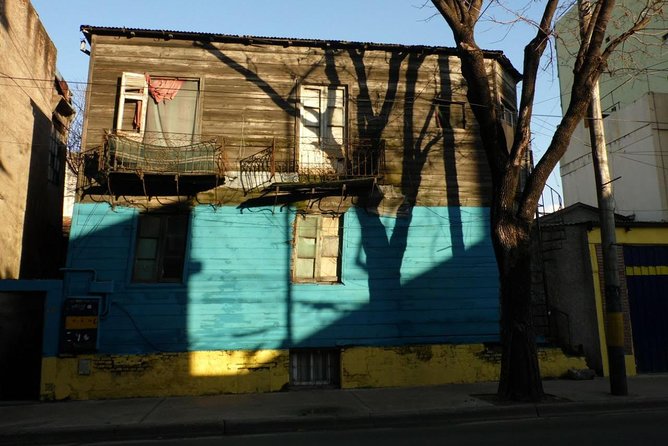
Football is the final major theme, and the tour ends beside Estadio Alberto J. Armando, known worldwide as La Bombonera. The stadium stop lasts about 10 minutes, and admission is not included.
For football fans, this ending has clear appeal. La Bombonera is one of the most famous stadiums in Latin America, and its importance to La Boca goes beyond sport. The club is deeply tied to the neighborhood’s public identity, so football belongs in a tour about how La Boca was collectively created.
You should be clear about what you are booking. This is an exterior visit and guided explanation, not a stadium tour with entry included. The final meeting point is on Dr. del Valle Iberlucea, and the experience ends at the stadium.
That ending also gives the route a neat structure. You begin with the tourist image at Caminito, move through immigration and art, stop for a local pastry, then finish with the force of football. The subjects are different, but together they explain why La Boca has such a strong sense of place.
Is $65 fair for two hours?
At $65, this is priced above a basic free walking tour, so the comparison should not be with a quick orientation walk. The fair question is what you want from the guide.
You are paying for a small-group experience with a maximum of 12 participants, a route that goes beyond the main tourist strip, and a focused social-history theme. The price also covers the guide’s interpretation of immigrant life, public art, football, and current problems. The two included sightseeing stops have no admission charge, while La Bombonera entry is extra because it is not part of the experience.
I see the value most clearly for someone who has already seen the usual Buenos Aires highlights and wants a more focused look at one neighborhood. If you only want photographs at Caminito and a view of the stadium, $65 may feel high. You could see those exterior sights without booking a two-hour tour.
The value is also stronger if you enjoy asking questions. A group capped at 12 should be easier to manage than a large coach excursion, though the actual group size may be smaller or close to the limit. Confirmation is subject to availability and is sent within 48 hours of booking.
Timing, walking, and practical expectations
The activity lasts approximately two hours. It is a walking experience, so wear shoes you can use comfortably on city streets and allow enough time to reach the starting point at La Vuelta de Rocha.
The tour is near public transportation, which helps with arrival, but no specific transit route is provided. You will need to check the best connection from your accommodation in Buenos Aires. The end point is at La Bombonera, so plan your onward route from that area rather than assuming you will return to the starting point.
Most people can participate, and service animals are allowed. No special physical requirements are listed, but you should still be comfortable walking for roughly two hours with stops along the way.
The experience depends on good weather. If rain or other poor conditions cause cancellation, you are offered another date or a full refund. The tour also requires a minimum number of participants, so a cancellation is possible if that number is not reached.
You can cancel for a full refund up to 24 hours before the local start time. Inside that 24-hour window, refunds are not available and changes are not accepted. That policy makes it wise to book once your Buenos Aires schedule is fairly settled.
Who will enjoy this La Boca experience?
I would recommend this tour to you if you want context rather than a checklist. It suits people interested in migration, neighborhood identity, public art, football, and the way tourism changes a famous district.
It is also a good match if you have limited time but want more than a quick photo at Caminito. In two hours, you cover several connected themes without committing half a day to a large museum or formal excursion.
Football fans should especially appreciate the finish at La Bombonera, while people interested in food may enjoy the bakery stop as a small local touch. The tour can also work well for first-time visitors who want someone to explain why La Boca matters, not only where to stand for the best picture.
I would be more cautious if you want a full stadium visit, a dedicated art tour, or a longer food experience. None of those is promised here. The tour is broad in subject but short in length, so each topic receives an introduction rather than an exhaustive treatment.
Should you book the La Boca collective-creation tour?
Book it if you want to see La Boca as a neighborhood shaped by people, not just as a colorful tourist set. The combination of Caminito, less-touristed streets, immigrant history, local art, pastries, and La Bombonera gives the walk a clear purpose.
The strongest reason to go is the focus on material beyond the standard tourist script. Guide Nico’s approach, the street-art stop, and the chance to try a local pastry add detail that a self-guided photo walk may miss.
Skip it if your priority is stadium admission or the lowest possible price. At $65, this makes sense when you value a small group and a social-history guide. For that kind of visitor, it offers a useful and fairly compact introduction to the many forces that made La Boca famous.
FAQ
Where does the tour start?
It starts at La Vuelta de Rocha, at Avenida Don Pedro de Mendoza 1859 in Buenos Aires.
Where does the tour finish?
The tour ends at Dr. del Valle Iberlucea 437, beside La Bombonera Stadium.
How long does the experience last?
It lasts approximately two hours.
What is the price?
The listed price is $65.
Is entry to La Bombonera included?
No. The stadium stop is included in the route, but admission is not included.
How many people can join the tour?
The maximum group size is 12 participants.
Can I cancel for a full refund?
Yes. You can cancel at least 24 hours before the experience start time for a full refund. Cancellations within 24 hours are not refunded.
What happens if the tour is canceled because of weather or group size?
You will be offered a different date or experience, or a full refund.
Just added around Buenos Aires
- Tango Show at El Querandi with optional Dinner★ 4.2 · 3 reviews
- Wine Tasting in Buenos Aires★ 4.2 · 4 reviews
- Walking Tour: Buenos Aires bookstores★ 4.3 · 12 reviews
- Velez Sarsfield Football Match★ 5.0 · 3 reviews
- Unique Tigre and Delta Private Day Cruise Navegation★ 5.0 · 3 reviews
- Private Underground Tango Immersion★ 5.0 · 31 reviews
- Tour Buenos Aires in one day on Electric Scooters★ 5.0 · 33 reviews
- Sailing with Wine Tasting in Buenos Aires★ 5.0 · 50 reviews
San Telmo & La Boca Tours, compared.




BA: Empanadas and Alfajores Cooking Experience in Palermo
Read our review →
Browse the lists this tour appears in